Asian Institute Of Advanced Surgeries


What Is an ACL Injury?
The anterior cruciate ligament, or ACL, connects the thigh bone with the shin bone. It helps control knee movement and provides stability during walking, running, jumping, and turning.
However, sudden movements can damage this ligament. Sports such as football, cricket, basketball, and badminton can increase the risk. A sudden twist, awkward landing, or direct impact can also cause an ACL tear.
Common symptoms include:
- Knee pain after an injury
- Swelling around the knee
- A popping sound during injury
- Difficulty walking
- Knee instability
- Trouble running or turning
- Reduced knee movement
Therefore, early assessment can help you understand the severity of the injury.
When Should You See an ACL Surgeon in Nagpur?
You should consult an orthopedic specialist when knee pain continues after an injury. Moreover, you should seek an evaluation if your knee feels unstable or gives way during movement.
An ACL Surgeon in Nagpur can perform a physical examination and recommend suitable tests. Doctors often use MRI scans to understand ligament damage and check for other knee problems.
You may need specialist care if you experience:
- Repeated knee instability
- Pain during sports
- Persistent swelling
- Difficulty climbing stairs
- Trouble bending or straightening the knee
- A confirmed ACL tear
- Associated meniscus or cartilage damage
Therefore, timely treatment can support better knee function and help you return to daily activities.
How Does an ACL Surgeon Diagnose the Injury?
Acl Surgeon In Nagpur
Your surgeon first asks about the injury and your symptoms. Moreover, the doctor checks knee movement, swelling, strength, and stability during the examination.
The surgeon may perform specific knee tests to assess the ACL. In addition, an MRI can show ligament damage and related injuries.
Your doctor may also consider:
- Your age
- Activity level
- Sports participation
- Knee stability
- Other ligament injuries
- Meniscus damage
- Cartilage condition
- Your recovery goals
As a result, the surgeon can create a treatment plan based on your individual needs.
ACL Treatment Options in Nagpur
ACL treatment depends on the type of tear and your daily needs. Therefore, your surgeon may recommend either non-surgical care or surgery.
Non-Surgical ACL Treatment
Some people can manage an ACL injury without surgery. This option may suit people with partial tears, lower activity levels, or stable knees.
Treatment may include:
- Physiotherapy
- Strength exercises
- Knee support
- Activity changes
- Pain management
- Balance training
Moreover, physiotherapy can improve muscle strength and knee control. Your doctor and physiotherapist can guide you through each stage of recovery.
ACL Reconstruction Surgery
What Happens During ACL Reconstruction?
Acl Surgeon In Nagpur
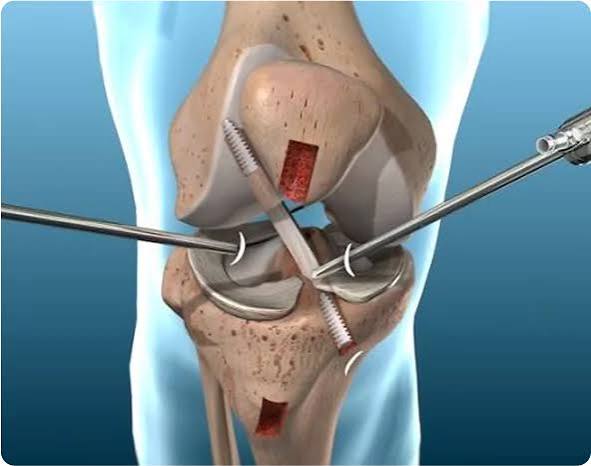
During ACL reconstruction, the surgeon creates small openings around the knee for the surgical instruments. Moreover, the surgeon removes damaged tissue when necessary and prepares the knee for the new graft.
The surgeon then places the graft in the correct position and secures it inside the knee. As a result, the new ligament can support knee stability during movement.
The exact surgical method can vary from person to person. Your surgeon will explain the procedure, graft choice, expected recovery, and possible risks before surgery.
Why Choose an Experienced ACL Surgeon?
ACL surgery requires careful planning and accurate treatment. Therefore, an experienced ACL Surgeon in Nagpur can assess your injury and discuss suitable options.
A good orthopedic surgeon focuses on more than the operation. Moreover, the doctor considers your lifestyle, activity level, sports goals, and rehabilitation needs.
When choosing a surgeon, consider:
- Orthopedic qualification
- Experience with ACL injuries
- Experience with knee surgery
- Access to modern diagnostic facilities
- Rehabilitation support
- Clear communication
- Follow-up care
In addition, ask your doctor about the expected recovery period and rehabilitation plan before making a decision.
ACL Surgery Recovery
Recovery after ACL reconstruction takes time and requires regular rehabilitation. Therefore, you should follow the exercise plan given by your orthopedic team.
The early stage usually focuses on controlling swelling, improving knee movement, and protecting the healing knee. Moreover, physiotherapy gradually improves strength and balance.
Later stages may include:
- Strength training
- Balance exercises
- Walking practice
- Functional exercises
- Running drills
- Sport-specific training
As a result, proper rehabilitation can help you regain confidence and improve knee function.
How Long Does ACL Recovery Take?
Acl Surgeon In Nagpur
an an ACL Tear Heal Without Surgery?
A torn ACL does not always require surgery. However, the right choice depends on your knee stability, activity level, injury pattern, and other knee damage.
Some people can manage their symptoms with rehabilitation and activity changes. In contrast, people with ongoing instability or high sports demands may benefit from ACL reconstruction.
Therefore, consult an experienced orthopedic specialist before choosing a treatment option.
Benefits of ACL Treatment
Proper ACL treatment can help improve knee stability and movement. Moreover, it can support a gradual return to daily activities and physical exercise.
Potential benefits include:
- Better knee stability
- Improved movement
- Better muscle strength
- Reduced activity-related problems
- Improved confidence while walking
- Support for a safe return to sports
However, results can vary. Your recovery depends on the injury, treatment, rehabilitation, and your commitment to the recovery plan.
Why Rehabilitation Matters After ACL Surgery
Acl Surgeon In Nagpur
Surgery alone does not complete ACL recovery. Therefore, rehabilitation plays an important role after the procedure.
A physiotherapist can create exercises that match your recovery stage. Moreover, regular therapy can improve strength, flexibility, balance, and movement control.
Your rehabilitation program may gradually include:
- Swelling control
- Knee movement exercises
- Muscle activation
- Strength training
- Balance exercises
- Walking practice
- Running exercises
- Sport-specific training
As a result, structured rehabilitation can support a safer return to normal activities.