
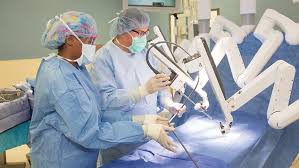
Robotic Assisted Surgery in Shajapur
Robotic assisted surgery in Shajapur is an advanced surgical approach that combines precision robotics with expert clinical judgment to treat complex orthopedic conditions. This technique allows for highly accurate implant placement, minimal tissue damage, and faster recovery. At Asian Institute of Advanced Surgeries (AIAS), Dr. Abhishek Bhalotia ensures that each procedure is customized to the patient’s anatomy, lifestyle, and functional goals, delivering predictable outcomes and improved quality of life.
Patients undergoing robotic assisted surgery benefit from enhanced alignment, reduced post-operative pain, and shorter hospital stays. Dr. Abhishek Bhalotia at Asian Institute of Advanced Surgeries (AIAS) emphasizes meticulous planning, leveraging robotic technology to restore mobility safely and effectively.
Understanding Robotic Assisted Surgery in Shajapur
Robotic assisted surgery uses computer-assisted navigation to guide surgical instruments with exceptional accuracy, ensuring optimal implant positioning and joint function. At Asian Institute of Advanced Surgeries (AIAS), Dr. Abhishek Bhalotia, a leading Robotic Orthopedic Surgeon in Shajapur, carefully evaluates each patient to create a tailored surgical plan.
This technology preserves healthy tissue, minimizes complications, and enhances surgical precision. Patients benefit from Dr. Abhishek Bhalotia’s skill in integrating robotic guidance with clinical expertise, resulting in improved mobility and long-term joint stability.
Who Can Benefit from Robotic Assisted Surgery
Ideal candidates include patients with advanced arthritis, degenerative joint disease, post-traumatic injuries, or failed conservative treatments. At Asian Institute of Advanced Surgeries (AIAS), Dr. Abhishek Bhalotia assesses medical history, imaging, and activity levels to determine eligibility for robotic-assisted procedures.
Those with persistent pain, limited range of motion, or difficulty performing daily tasks often experience the most significant improvements. Early evaluation allows for optimal planning and reduced surgical risk, while personalized care from Dr. Abhishek Bhalotia supports safe recovery and lasting joint function.
Common Concerns in Robotic Assisted Surgery
Patients frequently ask about recovery time, surgical risks, and implant durability. Addressing these questions helps build confidence and encourages informed decisions. At Asian Institute of Advanced Surgeries (AIAS), Dr. Abhishek Bhalotia explains the procedure, expected outcomes, and post-operative care thoroughly.
Many patients also want to know the advantages of robotic-assisted surgery compared to traditional methods. Robotic guidance enhances precision, reduces tissue trauma, and improves implant longevity. Structured physiotherapy and activity monitoring ensure safe, efficient rehabilitation and long-term joint health.
Consultation and Treatment Planning
A comprehensive consultation is critical for successful robotic assisted surgery. Surgeons review medical history, evaluate joint or bone function, and analyze imaging to create a personalized plan. At Asian Institute of Advanced Surgeries (AIAS), Dr. Abhishek Bhalotia ensures patients understand the procedure, anticipated results, and recovery strategies.
Treatment planning integrates surgical steps with post-operative care. Patients actively participate in decisions to align treatment with lifestyle, functional needs, and mobility goals. Structured planning by Dr. Abhishek Bhalotia promotes safer surgery and optimal long-term outcomes.
Advanced Techniques in Robotic Assisted Surgery
Robotic assisted surgery combines 3D preoperative planning, intraoperative navigation, and precise implant placement to improve outcomes. At Asian Institute of Advanced Surgeries (AIAS), Dr. Abhishek Bhalotia leverages these advanced techniques to reduce tissue trauma, improve alignment, and accelerate recovery.
Careful preoperative evaluation and robotic guidance allow for predictable results even in complex cases. Patients benefit from shorter rehabilitation periods, fewer complications, and durable joint and bone function. Dr. Abhishek Bhalotia integrates technology with expertise to deliver safe and reliable surgical care.
Why Choose Dr. Abhishek Bhalotia for Robotic Assisted Surgery in Shajapur
Choosing an experienced robotic orthopedic surgeon is essential for the best outcomes. Dr. Abhishek Bhalotia, a renowned Robotic Orthopedic Surgeon in Shajapur, delivers personalized care focused on restoring joint and bone function, relieving pain, and improving mobility. At Asian Institute of Advanced Surgeries (AIAS), he combines meticulous surgical planning with robotic precision to achieve predictable results.
His extensive experience in complex orthopedic procedures allows him to handle unique challenges effectively. Patients appreciate his structured approach, clear guidance, and ongoing support. Those treated by Dr. Abhishek Bhalotia at Asian Institute of Advanced Surgeries (AIAS) regain confidence, functional independence, and long-term orthopedic health.
Recovery and Long-Term Results
Recovery after robotic assisted surgery emphasizes structured physiotherapy, gradual return to activity, and regular monitoring. Patients follow personalized rehabilitation programs, including mobility exercises and lifestyle adjustments. At Asian Institute of Advanced Surgeries (AIAS), Dr. Abhishek Bhalotia provides detailed post-operative care to ensure smooth recovery and long-lasting joint function.
Long-term outcomes depend on surgical precision, rehabilitation adherence, and follow-up assessments. Patients typically experience reduced pain, improved mobility, and enhanced quality of life. Continued guidance from Dr. Abhishek Bhalotia ensures durable orthopedic health and sustained functional restoration.
FAQs
1. Who is suitable for robotic assisted surgery?
Patients with severe arthritis, joint degeneration, fractures, or post-traumatic bone injuries.
2. How long is recovery after robotic assisted surgery?
Recovery typically takes a few weeks for basic mobility and 3–6 months for full functional restoration.
3. What are the advantages of robotic assisted surgery?
Improved precision, optimal implant alignment, minimized tissue trauma, and faster recovery.
4. How long do implants last after robotic assisted surgery?
Modern implants usually last 15–20 years or more with proper care.
5. Will robotic assisted surgery improve quality of life?
Yes, it reduces pain, restores function, and allows a safe return to daily activities.
Book Appointment with Dr. Abhishek Bhalotia at AIAS
If you are experiencing joint pain, limited mobility, or considering advanced joint replacement options, scheduling a consultation with Dr. Abhishek Bhalotia, MS Ortho, Fellow Joint Replacement (Hyd, UK), Robotic Joint Replacement Surgeon, can help you explore the most precise and effective treatment solutions. Early evaluation ensures that your symptoms are addressed before they affect daily activities and long-term joint health.
Consultations are available at the Asian Institute of Advanced Surgeries (AIAS) in Nagpur, where Dr. Bhalotia provides a thorough orthopedic assessment, reviews your medical history, evaluates joint function, and discusses lifestyle and activity factors. This helps in creating a tailored plan for robotic-assisted or conventional joint replacement, depending on your needs.