
Introduction
Robotic hip replacement in Sukma is rapidly becoming a preferred solution for individuals suffering from chronic hip pain, stiffness, and mobility issues. Today, conditions such as osteoarthritis, fractures, and degenerative joint diseases significantly affect daily life. Therefore, patients increasingly seek advanced treatments that provide long-term relief and restore normal function.
Moreover, traditional hip replacement surgery, although effective, may not always achieve the level of precision required for optimal outcomes. In contrast, robotic-assisted hip replacement enhances surgical accuracy and improves implant positioning. As a result, patients experience better mobility, reduced pain, and faster recovery.
Dr. Abhishek Bhalotia, a highly experienced orthopedic surgeon at AIAS, specializes in robotic joint replacement procedures. With advanced training and extensive surgical experience, he focuses on delivering precise, safe, and personalized care. Consequently, patients in Sukma and nearby regions can now access cutting-edge orthopedic treatment without traveling to metropolitan cities. (abhishekbhalotia.com)
Understanding Robotic Hip Replacement
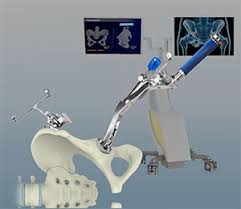
Robotic hip replacement is an advanced surgical procedure that uses robotic assistance to improve precision during joint replacement. However, the robot does not perform the surgery independently. Instead, the surgeon controls the system while using robotic guidance for enhanced accuracy.
Initially, advanced imaging techniques such as CT scans or digital X-rays are used to create a detailed 3D model of the patient’s hip joint. This model allows the surgeon to plan the procedure based on the patient’s unique anatomy. Therefore, implant placement becomes highly accurate and customized. (Asian Institute Of Advanced Surgeries)
During the surgery, the robotic system provides real-time feedback and controlled movements. As a result, the surgeon can achieve precise alignment and balance of the joint. Consequently, patients benefit from improved function and long-term durability of the implant.
Conditions That Require Robotic Hip Replacement
Robotic hip replacement is recommended for patients with severe joint damage that does not respond to non-surgical treatments. Common conditions include:
- Osteoarthritis causing cartilage wear
- Rheumatoid arthritis leading to joint inflammation
- Hip fractures due to trauma or falls
- Avascular necrosis affecting bone health
- Degenerative joint disease
Moreover, these conditions often worsen over time, leading to persistent pain and reduced mobility. Therefore, early consultation with a specialist is essential for timely treatment. (Asian Institute Of Advanced Surgeries)
Symptoms Indicating the Need for Surgery
Recognizing symptoms early can help in effective intervention. Common signs include:
- Persistent hip pain even at rest
- Difficulty walking or standing
- Stiffness and limited range of motion
- Pain radiating to the thigh or groin
- Lack of improvement with medication or physiotherapy
In addition, these symptoms can severely affect daily activities. Therefore, robotic hip replacement becomes a suitable option when conservative treatments fail.
Advantages of Robotic Hip Replacement
Robotic hip replacement offers several benefits compared to traditional surgery. For example:
1. High Precision
Robotic systems enable accurate implant placement and alignment. Therefore, joint function improves significantly.
2. Personalized Surgical Planning
Each procedure is tailored to the patient’s anatomy using 3D imaging. As a result, outcomes are more predictable.
3. Minimal Tissue Damage
Muscle-sparing techniques reduce trauma to surrounding tissues. Consequently, patients experience less pain and faster healing. (abhishekbhalotia.com)
4. Faster Recovery
Patients often begin walking within a short time after surgery. Therefore, recovery is quicker compared to traditional methods. (abhishekbhalotia.com)
5. Long-Lasting Results
Accurate implant positioning increases durability and reduces the risk of complications. As a result, implants may last for decades. (abhishekbhalotia.com)
Procedure Overview
The robotic hip replacement procedure involves several carefully planned steps:
Pre-Surgical Evaluation
The process begins with a detailed consultation, including medical history, physical examination, and imaging tests. These assessments help determine the severity of joint damage.
3D Planning
Advanced imaging creates a 3D model of the hip joint. Consequently, the surgeon designs a personalized surgical plan.
Robotic-Assisted Surgery
During the operation, robotic technology assists in removing damaged bone and placing the implant precisely. However, the surgeon performs every step of the procedure.
Post-Surgical Care
After surgery, patients receive a structured rehabilitation plan to ensure proper recovery.
Therefore, each stage of the process focuses on safety, precision, and optimal outcomes.
Recovery and Rehabilitation
Recovery after robotic hip replacement is generally faster and more comfortable. Initially, patients are encouraged to begin movement soon after surgery.
Moreover, physiotherapy plays a crucial role in restoring strength, flexibility, and mobility. Customized rehabilitation programs help patients regain independence and confidence.
In addition, regular follow-ups ensure proper healing and monitor progress. As a result, most patients can return to daily activities within a few weeks to months. (Asian Institute Of Advanced Surgeries)
Role of Advanced Technology
Robotic-assisted surgery represents a significant advancement in orthopedic care. It combines computer-assisted planning with surgical expertise to achieve highly precise results.
Furthermore, robotic systems provide detailed anatomical insights and real-time feedback. Therefore, surgeons can make accurate adjustments during the procedure.
Consequently, this technology improves surgical outcomes, reduces complications, and enhances patient satisfaction. (Asian Institute Of Advanced Surgeries)
Expertise of Dr. Abhishek Bhalotia
Dr. Abhishek Bhalotia is a UK-trained orthopedic surgeon specializing in robotic joint replacement. He has performed over 2,000 joint replacement surgeries and has extensive experience in advanced orthopedic procedures. (abhishekbhalotia.com)
Moreover, he is known for introducing robotic-assisted joint replacement techniques in his region, making advanced care accessible to patients locally. (abhishekbhalotia.com)
At AIAS, he focuses on personalized treatment plans, precise surgical execution, and comprehensive rehabilitation. As a result, patients receive high-quality care and achieve excellent outcomes.
Cost of Robotic Hip Replacement in Sukma
The cost of robotic hip replacement in Sukma depends on several factors, including:
- Type of implant used
- Complexity of the procedure
- Hospital facilities
- Post-operative care
However, compared to metropolitan cities, treatment in Sukma and nearby regions is more affordable while maintaining high-quality standards. Therefore, patients can access advanced care without excessive financial burden.
Safety and Risks
Robotic hip replacement is generally safe when performed by an experienced surgeon. However, like any surgical procedure, it carries certain risks such as:
- Infection
- Blood clots
- Implant-related issues
- Temporary discomfort
Nevertheless, robotic technology significantly reduces these risks by improving precision and minimizing errors. In addition, proper post-operative care ensures a smooth recovery.
Why Choose Robotic Hip Replacement at AIAS
Patients choose robotic hip replacement at AIAS for several reasons:
- Access to advanced robotic technology
- Treatment by experienced specialists
- Personalized surgical planning
- Comprehensive rehabilitation programs
- High success rates and patient satisfaction
Moreover, the focus on precision and patient care ensures better outcomes. Therefore, patients experience improved mobility and long-term relief.
Conclusion
Robotic hip replacement in Sukma offers a modern and highly effective solution for individuals suffering from severe hip pain and mobility issues. With advanced technology, precise surgical techniques, and expert care, patients can achieve long-lasting relief and improved function.
Under the guidance of Dr. Abhishek Bhalotia at AIAS, patients receive personalized treatment, advanced surgical care, and comprehensive rehabilitation. Consequently, they can regain independence, improve their quality of life, and return to daily activities with confidence.
Frequently Asked Questions
What is robotic hip replacement?
It is an advanced surgical procedure where robotic technology assists the surgeon in performing hip replacement with high precision.
Is robotic hip replacement better than traditional surgery?
Yes, it offers better accuracy, faster recovery, and improved long-term outcomes.
How long does recovery take?
Most patients recover within a few weeks to months with proper physiotherapy.
Is the procedure safe?
Yes, it is safe when performed by an experienced surgeon using advanced technology.
Who is the best doctor for robotic hip replacement in Sukma?
Dr. Abhishek Bhalotia at AIAS is a highly experienced specialist known for robotic joint replacement procedures.
Book Appointment with Dr. Abhishek Bhalotia at AIAS
If you are experiencing joint pain, limited mobility, or considering advanced joint replacement options, scheduling a consultation with Dr. Abhishek Bhalotia, MS Ortho, Fellow Joint Replacement (Hyd, UK), Robotic Joint Replacement Surgeon, can help you explore the most precise and effective treatment solutions. Early evaluation ensures that your symptoms are addressed before they affect daily activities and long-term joint health.
Consultations are available at the Asian Institute of Advanced Surgeries (AIAS) in Nagpur, where Dr. Bhalotia provides a thorough orthopedic assessment, reviews your medical history, evaluates joint function, and discusses lifestyle and activity factors. This helps in creating a tailored plan for robotic-assisted or conventional joint replacement, depending on your needs.