
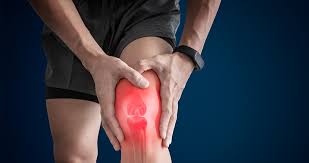
Joint Pain Treatment in Khargone
Joint pain treatment in Khargone provides relief for individuals experiencing chronic discomfort and stiffness in joints such as the knee, hip, or shoulder. From the very first consultation, joint pain treatment in Khargone focuses on identifying the root cause rather than just managing symptoms. People today look for solutions that restore mobility and allow them to perform daily activities without constant pain or limitations.
At Dr. Siddharth Jain’s practice at Asian Institute of Advanced Surgeries (AIAS), patients receive personalized care that considers their lifestyle and medical history. Moreover, Dr. Siddharth Jain combines clinical expertise with precise treatment planning. As a result, patients achieve relief, regain joint function, and follow a structured path toward long‑term improvement. This approach ensures that progress is sustainable and mobility gradually returns to normal levels.
Understanding Joint Pain Treatment in Khargone
Joint pain occurs due to inflammation, injury, or degeneration in cartilage, ligaments, or bones. At Asian Institute of Advanced Surgeries (AIAS), Dr. Siddharth Jain conducts a detailed evaluation, including medical history and advanced imaging. This process helps identify the exact cause, ensuring the treatment is targeted and effective.
Modern joint pain treatment combines non-surgical and minimally invasive options. Conditions such as arthritis, ligament injuries, or cartilage damage require specific strategies. Moreover, interventions aim to reduce inflammation, restore joint balance, and improve function. Patients benefit from treatments that address the source of pain and prevent further deterioration.
Who Can Benefit from Joint Pain Treatment in Khargone
People with persistent joint pain affecting walking, climbing stairs, or daily activities often require specialized care. Additionally, those with swelling, stiffness, or reduced range of motion may need professional evaluation. Sports injuries, trauma-related joint damage, and age-related degeneration also respond well to structured treatment.
At Asian Institute of Advanced Surgeries (AIAS), Dr. Siddharth Jain evaluates each patient’s activity level, symptoms, and health goals. Both younger patients with sports injuries and older adults with degenerative conditions receive tailored care. Therefore, joint pain treatment becomes effective when personalized and focused on both relief and functional restoration.
Common Concerns Addressed
Many patients worry that joint pain treatment always requires surgery. However, Dr. Siddharth Jain at Asian Institute of Advanced Surgeries (AIAS) prioritizes conservative methods first. Physiotherapy, medications, and lifestyle adjustments often provide substantial relief, especially if addressed early.
Another concern involves regaining full mobility. Structured rehabilitation, guided exercises, and pain management strategies support gradual improvement. Additionally, patients experience restored confidence in walking, climbing stairs, and performing daily activities. Consequently, the treatment approach balances immediate relief with long-term functional gains.
Consultation and Treatment Planning
The treatment process begins with a detailed consultation at Asian Institute of Advanced Surgeries (AIAS). Dr. Siddharth Jain reviews medical history, examines joints, and uses imaging studies to assess cartilage, alignment, and soft tissue. This comprehensive evaluation ensures accurate diagnosis.
Treatment planning considers severity, activity level, and long-term goals. As a result, patients receive a customized plan that suits their needs. Moreover, Dr. Siddharth Jain clearly explains all options, potential risks, and recovery expectations. Patients leave consultations informed, confident, and prepared to proceed.
Advanced Techniques in Joint Pain Treatment in Khargone
Contemporary treatment incorporates advanced techniques for improved outcomes with minimal invasiveness. At Asian Institute of Advanced Surgeries (AIAS), Dr. Siddharth Jain uses image-guided injections, biologic therapies, and arthroscopic procedures to target specific joint issues. These methods enhance recovery while reducing discomfort.
Minimally invasive surgeries address meniscal tears, ligament injuries, and cartilage damage. Moreover, precise surgical techniques and modern implants improve joint function and durability. Patients experience less pain, faster mobilization, and sustained mobility. As a result, advanced care supports both immediate and long-term joint health.
Why Choose Dr. Siddharth Jain for Joint Pain Treatment in Khargone
Choosing the right specialist is essential for effective outcomes. Dr. Siddharth Jain at Asian Institute of Advanced Surgeries (AIAS) brings extensive orthopedic experience and patient-focused care to every case. Additionally, his approach ensures treatment is customized to each individual’s condition and goals.
Patients benefit from structured guidance from diagnosis through recovery. Dr. Siddharth Jain emphasizes clear communication, consistent follow-up, and adjustments to care when needed. Furthermore, his expertise in a wide range of joint conditions provides reassurance that each patient receives the most suitable interventions without unnecessary delays.
Recovery After Joint Pain Treatment in Khargone
Recovery is a critical phase of joint pain treatment. At Asian Institute of Advanced Surgeries (AIAS), Dr. Siddharth Jain creates personalized rehabilitation programs to restore strength, flexibility, and movement. Physiotherapy begins early to reduce stiffness and encourage functional recovery.
Patients follow structured protocols, including tailored exercises and activity modification. Additionally, regular follow-up ensures progress is monitored and care is adjusted if necessary. As a result, patients regain confidence in walking, climbing, and performing daily tasks. Consistent aftercare supports long-term joint health and reduces the risk of recurring pain.
Long-Term Results
Long-term success depends on accurate diagnosis, precise treatment, and consistent follow-up. At Asian Institute of Advanced Surgeries (AIAS), Dr. Siddharth Jain emphasizes strategies that support ongoing joint health, such as targeted rehabilitation and lifestyle guidance.
Patients often notice reduced pain, improved mobility, and greater participation in daily life. Moreover, structured aftercare and patient education help maintain these gains. As a result, joint pain treatment restores independence, allows active lifestyles, and provides lasting relief from chronic discomfort.
FAQs
1. What causes joint pain?
Joint pain can result from arthritis, injuries, inflammation, or wear and tear on cartilage and soft tissues.
2. Can joint pain be treated without surgery?
Yes, physiotherapy, medications, injections, and lifestyle changes can relieve pain in many cases.
3. How long is recovery after treatment?
Recovery depends on the condition, but improvement often begins within weeks and continues with rehabilitation.
4. When should I see a specialist?
Seek consultation if pain persists, worsens, or limits daily activities despite home care.
5. Will joint pain return after treatment?
With proper rehabilitation, lifestyle adjustments, and follow-up, joint pain can be managed and recurrence minimized.
Book Appointment with Dr. Siddharth Jain at AIAS
If you are experiencing joint discomfort, restricted movement, or any musculoskeletal concerns, scheduling a consultation with Dr. Siddharth Jain can help you better understand your condition and explore appropriate care options. Early evaluation often helps patients address symptoms before they begin to interfere with everyday activities and mobility.
Consultations are available at Asian Institute of Advanced Surgeries (AIAS) in Nagpur, where patients receive a structured orthopaedic assessment focused on identifying factors affecting bone, joint, and movement health. During the visit, individuals can discuss their symptoms, medical history, lifestyle habits, and physical activity levels.