
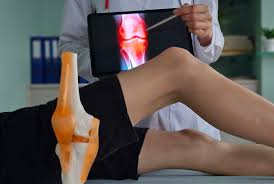
Knee Replacement Surgery in Khargone
Knee replacement surgery in Khargone provides a trusted solution for individuals struggling with chronic knee pain and limited mobility that no longer respond to conservative treatments. From the very first consultation, knee replacement surgery in Khargone prioritizes restoring joint function and improving overall quality of life rather than simply managing symptoms. Many people today seek long‑term solutions that allow them to return to daily activities with less discomfort and renewed confidence in movement.
At Dr. Siddharth Jain’s practice within Asian Institute of Advanced Surgeries (AIAS), patients receive personalized orthopedic care tailored to their specific knee condition and lifestyle needs. Moreover, Dr. Siddharth Jain combines clinical expertise with meticulous surgical planning to ensure precise execution and optimized outcomes. As a result, individuals experience reduced pain, improved mobility, and a structured post‑surgical pathway that supports steady recovery and long‑term stability.
Understanding Knee Replacement Surgery in Khargone
Knee replacement surgery involves removing damaged cartilage and bone from the knee joint and replacing them with artificial components designed to restore smooth movement. At Asian Institute of Advanced Surgeries (AIAS), Dr. Siddharth Jain conducts a thorough evaluation, including physical examination and advanced imaging, to determine the extent of joint degeneration. Additionally, this careful preparation allows for a surgical plan that aligns with each patient’s anatomy and functional goals.
The primary objective of knee replacement surgery is to relieve severe pain and stiffness caused by arthritis, trauma, or other joint‑related conditions that interfere with daily life. Moreover, the use of modern implants and surgical techniques enhances joint stability and durability. Patients undergoing this surgery benefit from improved alignment, reduced discomfort, and a significant increase in walking ability and activity levels compared to their pre‑surgery state, which greatly enhances overall independence and wellbeing.
Who Can Benefit from Knee Replacement Surgery in Khargone
Individuals experiencing persistent knee pain that affects walking, climbing stairs, or even rest may benefit from knee replacement surgery. Moreover, those with advanced arthritis, joint deformities, or injuries that fail to respond to medications, physiotherapy, and injections are ideal candidates for the procedure. People who notice consistent swelling, stiffness, and reduced range of motion should consider evaluation by a specialist to determine suitability for surgery.
At Asian Institute of Advanced Surgeries (AIAS), Dr. Siddharth Jain assesses each patient’s age, activity level, severity of joint damage, and overall health before recommending surgery. Additionally, both older adults with degenerative conditions and younger individuals with trauma‑related joint damage can achieve significant improvements with knee replacement. Early intervention often prevents further joint deterioration and supports better long‑term outcomes.
Common Concerns Addressed
Many individuals worry about whether knee replacement surgery is safe and effective in the long run. However, Dr. Siddharth Jain at Asian Institute of Advanced Surgeries (AIAS) emphasizes careful preoperative planning and standardized protocols to minimize risks and enhance predictability of results. While all surgeries carry inherent risks, modern orthopedic techniques have significantly reduced complications, making knee replacement a reliable option for appropriate candidates.
Another common concern involves recovery and whether the procedure will restore full mobility. Additionally, most patients experience substantial pain relief and improved joint function after surgery. With structured post‑surgical care and rehabilitation, many individuals return to daily activities they once found challenging. Consequently, confidence in walking and performing everyday tasks increases steadily throughout recovery.
Consultation and Treatment Planning
The knee replacement journey begins with a detailed consultation at Asian Institute of Advanced Surgeries (AIAS), where Dr. Siddharth Jain evaluates the patient’s knee condition through clinical examination and imaging studies such as X‑rays or MRI. Moreover, this comprehensive assessment helps determine the extent of cartilage wear, alignment issues, and structural damage, which guides the surgical plan precisely.
During treatment planning, factors such as age, activity level, body weight, and long‑term goals are discussed. As a result, the approach becomes highly personalized rather than generic, ensuring that patient expectations align with realistic surgical outcomes. Additionally, detailed explanations are given regarding the procedure, potential risks, expected recovery timeline, and post‑operative rehabilitation plan so that patients are fully informed and comfortable moving forward.
Advanced Techniques in Knee Replacement Surgery in Khargone
Modern knee replacement procedures have evolved significantly with the integration of advanced surgical techniques that improve precision and patient outcomes. At Asian Institute of Advanced Surgeries (AIAS), Dr. Siddharth Jain uses techniques such as minimally invasive approaches, computer‑assisted alignment, and carefully selected implant systems to enhance joint stability and longevity. These methods reduce trauma to surrounding tissues and improve functional recovery.
Furthermore, innovations in implant design allow better replication of natural knee motion, which contributes to greater comfort and mobility post‑surgery. Patients benefit from reduced post‑operative pain, quicker mobilization, and improved long‑term durability. These advanced approaches ensure that knee replacement remains a safe and effective option for individuals seeking lasting relief from debilitating knee conditions.
Why Choose Dr. Siddharth Jain for Knee Replacement Surgery in Khargone
Choosing the right orthopedic surgeon is critical to successful outcomes in knee replacement surgery. Dr. Siddharth Jain at Asian Institute of Advanced Surgeries (AIAS) brings extensive experience, clinical expertise, and a compassionate, patient‑centered approach to every case. Moreover, his emphasis on individualized planning and precise surgical execution helps ensure optimal functional outcomes and long‑term satisfaction.
Patients benefit from a structured treatment journey where Dr. Siddharth Jain guides them through every phase, from initial diagnosis to discharge and rehabilitation. Additionally, his team provides supportive care that addresses patient concerns and builds confidence in the recovery process. With a focus on predictable outcomes and comprehensive support, patients feel reassured that their knee replacement journey is in capable hands.
Recovery After Knee Replacement Surgery in Khargone
Recovery after knee replacement surgery plays a crucial role in achieving successful long‑term results. At Asian Institute of Advanced Surgeries (AIAS), Dr. Siddharth Jain designs customized rehabilitation programs that focus on restoring strength, flexibility, and joint function. Moreover, guided physiotherapy begins early to encourage gradual improvement and reduce stiffness.
Patients are encouraged to follow structured recovery protocols, including controlled movement exercises, activity progression, and regular follow‑up visits to monitor healing and adjust care as needed. Additionally, maintaining realistic expectations and consistent physical therapy helps minimize complications and improve functional outcomes. As a result, individuals often regain confidence in walking, climbing stairs, and performing daily tasks with greater ease and comfort.
Long-Term Results
Long‑term success in knee replacement surgery depends on precise surgical technique, individualized rehabilitation, and ongoing care. At Asian Institute of Advanced Surgeries (AIAS), Dr. Siddharth Jain emphasizes strategies that support active living and overall joint health. Additionally, maintaining strength, flexibility, and proper body mechanics contributes to the durability of surgical results.
Patients frequently enjoy significant improvement in mobility, reduced pain, and increased participation in daily activities after completing their rehabilitation. This allows them to return to work, social engagements, and physical pursuits with greater confidence and comfort. Consequently, knee replacement surgery not only relieves pain but also enhances the ability to live independently and actively for many years.
FAQs
1. When is knee replacement surgery recommended?
Knee replacement is recommended when knee pain and disability persist despite conservative treatments such as medications, injections, and physiotherapy.
2. How long does knee replacement surgery take?
The procedure usually takes about 1 to 2 hours depending on the complexity and patient condition.
3. What is the recovery period after knee replacement?
Initial recovery takes a few weeks, while full rehabilitation often spans several months with guided physiotherapy.
4. Is knee replacement surgery safe?
Yes, modern knee replacement techniques and careful planning make the surgery safe and effective for appropriate candidates.
5. How long do knee implants last?
Most knee implants last 15–20 years with proper care, activity management, and regular follow‑up appointments.
Book Appointment with Dr. Siddharth Jain at AIAS
If you are experiencing joint discomfort, restricted movement, or any musculoskeletal concerns, scheduling a consultation with Dr. Siddharth Jain can help you better understand your condition and explore appropriate care options. Early evaluation often helps patients address symptoms before they begin to interfere with everyday activities and mobility.
Consultations are available at Asian Institute of Advanced Surgeries (AIAS) in Nagpur, where patients receive a structured orthopaedic assessment focused on identifying factors affecting bone, joint, and movement health. During the visit, individuals can discuss their symptoms, medical history, lifestyle habits, and physical activity levels.