
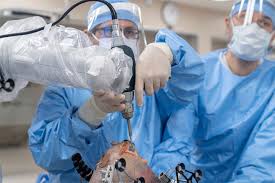
Robotic Knee Replacement in Narmadapuram
Robotic knee replacement in Narmadapuram provides patients with highly precise surgical care to relieve chronic knee pain and restore joint mobility. From the first consultation, robotic knee replacement in Narmadapuram emphasizes accuracy, individualized planning, and minimal tissue damage. Patients today prefer advanced techniques that combine cutting-edge technology with expert orthopedic expertise for long-term joint function.
At Dr. Abhishek Bhalotia’s practice within Asian Institute of Advanced Surgeries (AIAS), patients benefit from robotic-assisted procedures that enhance implant alignment and overall surgical outcomes. Moreover, Dr. Abhishek Bhalotia ensures that each step of the procedure is tailored to the patient’s anatomy and lifestyle. As a result, patients experience reduced postoperative discomfort, improved movement, and a faster return to daily activities.
Understanding Robotic Knee Replacement in Narmadapuram
Robotic knee replacement uses computer-assisted planning and robotic precision to optimize joint alignment and function. At Asian Institute of Advanced Surgeries (AIAS), Dr. Abhishek Bhalotia carefully analyzes imaging and joint mechanics to create a personalized surgical plan. Additionally, this approach ensures accurate bone preparation and implant placement.
The robotic system assists in precise execution, reducing the chance of human error and enhancing long-term knee stability. Moreover, research indicates that robotic-assisted techniques minimize tissue trauma, support quicker rehabilitation, and improve functional outcomes. Patients undergoing this treatment notice better movement and reduced pain compared to traditional procedures.
Who Can Benefit from Robotic Knee Replacement in Narmadapuram
Individuals experiencing chronic knee pain due to arthritis, injury, or joint degeneration often benefit from robotic knee replacement. Moreover, patients with limited mobility, difficulty walking, or persistent discomfort despite conservative therapy are ideal candidates. People seeking long-term relief and enhanced knee function may find this approach particularly effective.
At Asian Institute of Advanced Surgeries (AIAS), Dr. Abhishek Bhalotia evaluates patients based on age, activity level, and extent of joint damage. Additionally, early intervention helps prevent further deterioration and ensures optimal recovery. Both elderly patients and active individuals can achieve improved joint performance with precise robotic assistance.
Common Concerns Addressed
Many patients worry about the safety and effectiveness of robotic surgery. However, Dr. Abhishek Bhalotia at Asian Institute of Advanced Surgeries (AIAS) utilizes advanced robotic systems that enhance precision and reduce surgical risks. While all surgeries carry inherent risks, careful planning ensures predictable outcomes and minimal complications.
Another concern is postoperative recovery and rehabilitation. Additionally, robotic knee replacement typically involves smaller incisions and less tissue trauma, leading to faster healing. As a result, patients can start physiotherapy sooner and regain mobility more effectively than with conventional surgery.
Consultation and Treatment Planning
The process begins with a detailed consultation at Asian Institute of Advanced Surgeries (AIAS), where Dr. Abhishek Bhalotia evaluates knee condition through imaging, joint mapping, and clinical assessment. Moreover, this enables the creation of a personalized surgical plan that accounts for anatomy, bone quality, and lifestyle.
During planning, factors such as mobility goals, severity of degeneration, and overall health are considered. As a result, robotic knee replacement is tailored to each patient rather than using a one-size-fits-all approach. Additionally, patients receive clear guidance on surgical steps, recovery expectations, and rehabilitation protocols for informed decision-making.
Advanced Techniques in Robotic Knee Replacement in Narmadapuram
Robotic knee replacement integrates computer navigation, haptic feedback, and precise robotic instruments for optimal implant placement. At Asian Institute of Advanced Surgeries (AIAS), Dr. Abhishek Bhalotia uses these technologies to improve alignment, stability, and joint biomechanics. This reduces complications and supports long-term function.
Additionally, minimally invasive robotic approaches preserve surrounding tissues and decrease postoperative pain. As a result, patients experience faster recovery, enhanced mobility, and reduced risk of complications. Continuous technological advancements have made robotic knee replacement safer, more precise, and highly effective for long-term knee health.
Why Choose Dr. Abhishek Bhalotia for Robotic Knee Replacement in Narmadapuram
Selecting the right surgeon is critical for successful robotic knee replacement. Dr. Abhishek Bhalotia at Asian Institute of Advanced Surgeries (AIAS) combines extensive orthopedic experience with robotic expertise. Moreover, his patient-focused approach emphasizes precision, minimal tissue damage, and reliable outcomes.
Patients benefit from structured care throughout the treatment journey. From consultation to rehabilitation, Dr. Abhishek Bhalotia monitors progress and provides guidance at every stage. Additionally, his expertise ensures patients regain mobility efficiently, safely, and confidently.
Recovery After Robotic Knee Replacement in Narmadapuram
Recovery focuses on restoring strength, flexibility, and knee function after surgery. At Asian Institute of Advanced Surgeries (AIAS), Dr. Abhishek Bhalotia designs personalized rehabilitation programs to support gradual recovery. Moreover, robotic precision minimizes tissue trauma, enabling earlier physiotherapy and improved outcomes.
Patients are encouraged to follow structured exercises and attend regular follow-ups. Additionally, consistent monitoring ensures steady progress, reduces complications, and supports long-term joint health. Consequently, individuals regain independence, experience less pain, and achieve lasting knee stability.
Long-Term Results
Long-term success depends on accurate implant alignment, proper rehabilitation, and ongoing joint care. At Asian Institute of Advanced Surgeries (AIAS), Dr. Abhishek Bhalotia emphasizes techniques that optimize mobility and support implant longevity. Additionally, robotic precision reduces wear, enhances stability, and improves overall knee function.
Moreover, patients often experience substantial pain relief, improved mobility, and increased confidence in daily activities. This allows them to return to work, recreational activities, and daily life without limitations. Consequently, robotic knee replacement offers a reliable, long-term solution for chronic knee problems.
FAQs
1. Who is suitable for robotic knee replacement?
Patients with severe knee arthritis, injury, or mobility issues unresponsive to conservative care.
2. Is robotic knee replacement safer than traditional surgery?
Yes, robotic assistance enhances precision, reduces tissue trauma, and minimizes complications.
3. How long does recovery take?
Initial recovery usually takes a few weeks; full rehabilitation may take several months.
4. Can I resume normal activities after robotic knee replacement?
Yes, guided physiotherapy ensures safe and gradual return to daily and recreational activities.
5. How long do knee implants last?
Most implants last 15–20 years with proper care, activity management, and follow-up
Book Appointment with Dr. Abhishek Bhalotia at AIAS
If you are experiencing joint pain, limited mobility, or considering advanced joint replacement options, scheduling a consultation with Dr. Abhishek Bhalotia, MS Ortho, Fellow Joint Replacement (Hyd, UK), Robotic Joint Replacement Surgeon, can help you explore the most precise and effective treatment solutions. Early evaluation ensures that your symptoms are addressed before they affect daily activities and long-term joint health.
Consultations are available at the Asian Institute of Advanced Surgeries (AIAS) in Nagpur, where Dr. Bhalotia provides a thorough orthopedic assessment, reviews your medical history, evaluates joint function, and discusses lifestyle and activity factors. This helps in creating a tailored plan for robotic-assisted or conventional joint replacement, depending on your needs.