
Robotic Knee Replacement in Gadchiroli – At Asian Institute Of Advanced Surgeries
For patients of Robotic knee replacement Gadchiroli, with Dr. Abhishek Bhalotia at Asian Institute Of Advanced Surgeries (AIAS) offers a high-precision, minimally invasive solution to restore knee function, reduce pain, and improve overall quality of life. Chronic knee pain, arthritis, and limited mobility can seriously impact everyday life.
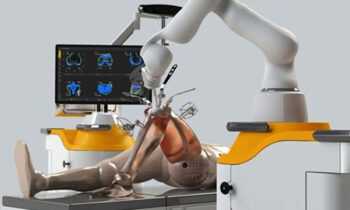
Robotic-assisted surgery combines advanced imaging, computer-assisted planning, and surgical robotics to deliver precise results that improve implant alignment, joint stability, and long-term durability.
Why Robotic Knee Replacement is the Best Choice ?
Robotic knee replacement is increasingly preferred over conventional surgery due to its accuracy, safety, and faster recovery. Here’s why patients in Gadchiroli choose this advanced procedure:
- Precision Surgery: Robotic technology allows Dr. Bhalotia to customize implant positioning, reducing the risk of post-operative complications.
- Minimally Invasive Approach: Smaller incisions mean less tissue damage, reduced scarring, and quicker healing.
- Better Outcomes: Robotic surgery enhances joint function, flexibility, and longevity of the implant.
- Faster Recovery: Patients often resume normal activities sooner compared to traditional knee replacement.
- Personalized Care: Rehabilitation programs are tailored to patient-specific anatomy, lifestyle, and mobility goals.
Who Should Consider Robotic Knee Replacement?
Robotic knee replacement is suitable for individuals experiencing:
- Severe osteoarthritis or rheumatoid arthritis
- Chronic knee pain affecting daily activities
- Knee deformities due to trauma or aging
- Failed or complicated previous knee surgeries
- Patients seeking long-term pain relief and joint mobility
A comprehensive pre-surgical assessment ensures that the procedure is safe and effective for every patient.
Understanding the Procedure Of Robotic Knee Replacement
- Preoperative Assessment and Planning
Dr. Bhalotia uses 3D imaging and CT scans to analyze the knee anatomy, determine the best implant size, and plan precise surgical steps. - Surgery with Robotic Assistance
The robotic system assists in bone preparation, accurate implant placement, and real-time adjustments, ensuring optimal alignment and stability. - Postoperative Care and Rehabilitation
- Early physiotherapy to strengthen muscles
- Pain management and swelling reduction
- Gradual weight-bearing and mobility exercises
- Structured follow-up to monitor recovery and implant function
Benefits of Robotic Knee Replacement
Pain Relief and Improved Mobility
Patients often experience significant reduction or complete elimination of knee pain, allowing them to resume daily activities like walking, climbing stairs, and exercising without discomfort.
Faster Rehabilitation
Smaller incisions and precise implant alignment mean faster recovery and a shorter hospital stay. Most patients begin walking with support within days.
Long-Term Implant Success
Robotic-assisted surgery ensures optimal placement, reducing wear and tear, and increasing the lifespan of knee implants.
Personalized Treatment Plans
Dr. Bhalotia creates customized care plans including surgical technique, implant selection, and rehabilitation, which is tailored to individual patient needs.
Recovery Timeline for Robotic Knee Replacement
- Week 1–2: Pain management, gentle movements, partial weight-bearing
- Week 2–6: Physiotherapy focusing on flexibility and strength
- Week 6–12: Resumption of most daily activities
- 3–6 Months: Full recovery with enhanced knee function and stability
Tip: Following your surgeon’s guidance and physiotherapy plan is key to optimal recovery and long-lasting results.
Why Patients from Gadchiroli Prefer Dr. Abhishek Bhalotia ?
- Expert Surgeon: Dr. Bhalotia is highly skilled in robotic-assisted joint replacements with years of experience.
- Advanced Technology: AIAS provides state-of-the-art robotic surgical equipment for precise and safe procedures.
- Comprehensive Care: From initial consultation to post-op rehabilitation, every step is monitored for patient safety.
- Convenience: Patients from Gadchiroli can access high-quality robotic knee surgery without traveling long distances.
Conclusion
For patients in Gadchiroli struggling with knee pain, arthritis, or limited mobility, robotic knee replacement with Dr. Abhishek Bhalotia at AIAS offers a safe, precise, and effective solution. Advanced technology, personalized care, and structured rehabilitation ensure patients regain pain-free movement, independence, and an active lifestyle.
Book a consultation today with Dr. Abhishek Bhalotia at Asian Institute Of Advanced Surgeries, Nagpur, and take the first step toward healthy, functional knees and improved quality of life.
Frequently Asked Questions (FAQs) For Robotic Knee Replacement
Q1: How is robotic knee replacement different from traditional surgery?
A1: Robotic assistance improves accuracy, implant positioning, and reduces tissue damage, leading to faster recovery and better long-term outcomes.
Q2: How long will I stay in the hospital?
A2: Most patients stay 2–4 days, depending on recovery and individual health conditions.
Q3: Can I undergo robotic knee replacement if I am elderly?
A3: Yes, elderly patients can safely undergo this procedure if they are medically fit for surgery.
Q4: When can I resume normal activities?
A4: Partial mobility starts within days, and most patients resume daily routines in 6–12 weeks.
Q5: How long will the knee implant last?
A5: With proper care, robotic-assisted knee implants can last 15–20 years or longer.
Book Appointment with Dr. Abhishek Bhalotia at AIAS
If you are experiencing joint discomfort, restricted movement, or any musculoskeletal concerns, scheduling a consultation with Dr. Abhishek Bhalotia can help you better understand your condition and explore appropriate care options. Early evaluation often helps patients address symptoms before they begin to interfere with everyday activities and mobility.
Consultations are available at Asian Institute of Advanced Surgeries (AIAS) in Nagpur, where patients receive a structured orthopaedic assessment focused on identifying factors affecting bone, joint, and movement health. During the visit, individuals can discuss their symptoms, medical history, lifestyle habits, and physical activity levels.