
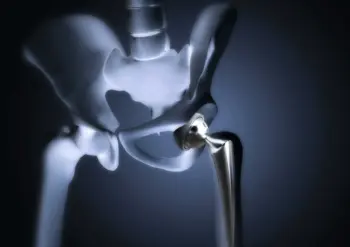
Robotic Hip Replacement in Bhandara – Advanced Precision Surgery
If you are searching for advanced Robotic Hip Replacement in Bhandara, expert care is available with Dr. Abhishek Bhalotia at the Asian Institute of Advanced Surgeries (AIAS). Moreover, this innovative approach combines surgical expertise with robotic precision to deliver superior outcomes. Therefore, patients can expect enhanced mobility, reduced pain, and long-lasting results. Ultimately, robotic hip replacement represents the future of joint care.
Hip pain can significantly limit your ability to move, work, and enjoy daily life. However, with advancements in orthopedic technology, robotic-assisted hip replacement has emerged as a highly precise and effective solution. In fact, it offers improved accuracy, reduced complications, and faster recovery compared to traditional surgery.
What is Robotic Hip Replacement?
Robotic hip replacement is an advanced surgical procedure where robotic technology assists the surgeon in replacing the damaged hip joint with high precision. In simple terms, the robotic system enhances accuracy in implant placement and alignment.
Typically, detailed imaging is used before surgery to create a personalized surgical plan. As a result, the procedure is tailored to the patient’s anatomy, improving overall outcomes.
When is Robotic Hip Replacement Needed?
Generally, this procedure is recommended when hip pain becomes severe and affects daily activities. For example, you may need it if you experience:
- Persistent hip pain even at rest
- Difficulty walking or climbing stairs
- Stiffness and reduced range of motion
- Poor response to medications or physiotherapy
In such cases, consulting Dr. Abhishek Bhalotia ensures accurate diagnosis and timely treatment.
Benefits of Robotic Hip Replacement
Compared to traditional methods, robotic-assisted surgery offers several advantages:
- Higher precision and accuracy
- Better implant positioning
- Reduced damage to surrounding tissues
- Less post-operative pain
- Faster recovery
Consequently, patients experience improved joint function and long-term success.
The Procedure – Step by Step For Robotic Hip Replacement
To begin with, advanced imaging and planning are done before surgery.
During the procedure, the robotic system assists in precise bone preparation and implant placement.
Afterward, rehabilitation begins to restore strength and mobility.
As a result, the entire process is more efficient and patient-specific.
Recovery After Robotic Hip Replacement
Recovery is generally faster and smoother. Initially, patients may experience mild discomfort, which gradually improves. Moreover, physiotherapy plays a key role in regaining mobility and strength.
Typically, most patients resume normal activities within a few weeks to months. Therefore, following post-operative care instructions is essential for optimal recovery.
Why Choose AIAS for Robotic Hip Replacement in Bhandara?
Asian Institute of Advanced Surgeries (AIAS) is a trusted center for advanced orthopedic care.
Notably, it offers:
- State-of-the-art robotic technology
- Experienced orthopedic specialists
- Personalized treatment plans
- Comprehensive rehabilitation programs
Most importantly, under the expertise of Dr. Abhishek Bhalotia, patients receive world-class care close to home.
Conclusion
In conclusion, robotic hip replacement is a revolutionary advancement in orthopedic surgery. However, choosing the right specialist is crucial for successful outcomes. Moreover, with advanced technology and expert care, patients can achieve faster recovery and long-term relief. Therefore, if you are considering Robotic Hip Replacement in Bhandara, AIAS offers a reliable and effective solution.
Ultimately, under the guidance of Dr. Abhishek Bhalotia, patients can regain mobility, reduce pain, and return to an active lifestyle.
FAQs For Robotic Hip Replacement in Bhandara
1. Is robotic hip replacement better than traditional surgery?
Generally, yes. It offers better precision and faster recovery.
2. How long does the surgery take?
Typically, it takes about 1–2 hours.
3. When can I walk after surgery?
Usually, patients can walk with support within a day or two.
4. How long does recovery take?
On average, recovery takes a few weeks to months depending on the patient.
Book Appointment with Dr. Abhishek Bhalotia at AIAS
If you are experiencing joint discomfort, restricted movement, or any musculoskeletal concerns, scheduling a consultation with Dr. Abhishek Bhalotia can help you better understand your condition and explore appropriate care options. Early evaluation often helps patients address symptoms before they begin to interfere with everyday activities and mobility.
Consultations are available at Asian Institute of Advanced Surgeries (AIAS) in Nagpur, where patients receive a structured orthopaedic assessment focused on identifying factors affecting bone, joint, and movement health. During the visit, individuals can discuss their symptoms, medical history, lifestyle habits, and physical activity levels.