
Introduction
Hip pain can severely impact daily life, making simple activities like walking, bending, or climbing stairs difficult. Conditions such as osteoarthritis, rheumatoid arthritis, trauma, or age-related degeneration often lead to chronic hip pain and reduced mobility. In Manendragarh-Chirmiri-Bharatpur, hip replacement surgery has emerged as a reliable solution for restoring movement and improving quality of life.
Dr. Siddharth Jain, MBBS, MS, DNB, FIAS (England), is a highly experienced orthopedic surgeon specializing in hip replacement and joint care. With advanced surgical techniques and a patient-centered approach, he ensures effective pain relief, faster recovery, and long-lasting results for his patients.
What is Hip Replacement Surgery?
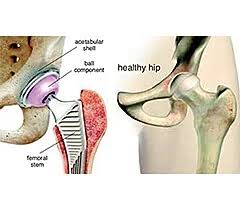
Hip replacement surgery, also called hip arthroplasty, involves replacing the damaged hip joint with a prosthetic implant. The implant replicates the natural movement of the hip, allowing pain-free motion and improved functionality. This procedure is typically recommended when conservative treatments, such as medications, physiotherapy, or injections, fail to provide relief.
When is Hip Replacement Surgery Needed?
Hip replacement is considered when hip pain and mobility issues significantly affect daily life. Indications include:
- Severe pain during rest or movement
- Difficulty walking, climbing stairs, or standing
- Limited range of motion and stiffness
- Chronic inflammation or swelling
- Failure of non-surgical treatments
Early consultation with an orthopedic specialist ensures proper evaluation and timely intervention.
Common Causes of Hip Joint Damage
Several factors can lead to hip joint deterioration:
1. Osteoarthritis
Degenerative joint disease causing cartilage wear, leading to pain and stiffness.
2. Rheumatoid Arthritis
An autoimmune condition causing chronic inflammation and joint damage.
3. Hip Fractures or Trauma
Accidents or falls can damage the hip joint, requiring surgical intervention.
4. Avascular Necrosis
A condition where blood supply to the hip bone is reduced, causing bone tissue death.
5. Congenital or Developmental Disorders
Structural issues present from birth may require corrective surgery later in life.
Types of Hip Replacement Surgery
Different surgical approaches are available based on the severity of the condition:
Total Hip Replacement (THR)
The entire hip joint is replaced with an artificial implant. This is recommended for severe joint damage.
Partial Hip Replacement
Only the damaged portion of the hip is replaced, preserving more of the natural joint.
Revision Hip Replacement
Performed when a previous hip replacement fails or wears out over time.
Benefits of Hip Replacement Surgery
Hip replacement surgery offers multiple advantages:
- Significant pain relief
- Improved mobility and flexibility
- Enhanced ability to perform daily activities
- Long-lasting and durable results
- Better overall quality of life
Modern surgical techniques ensure precision, safety, and faster recovery.
Advanced Techniques in Hip Replacement
Technological advancements have made hip replacement safer and more effective:
Minimally Invasive Surgery
Smaller incisions lead to less pain, minimal scarring, and quicker healing.
Computer-Assisted Surgery
Helps in precise implant alignment for improved function and longevity.
High-Quality Implants
Durable prosthetic components are designed to replicate natural hip movement.
Preparation Before Surgery
Proper preparation is essential for successful outcomes:
- Complete necessary medical evaluations
- Optimize overall health and nutrition
- Strengthen surrounding muscles with physiotherapy
- Discuss medications with the surgeon
- Arrange post-surgery support at home
Being physically and mentally prepared enhances recovery and reduces complications.
Recovery and Rehabilitation
Post-surgery rehabilitation is key to restoring mobility and function:
Recovery Timeline
- First Few Days: Walking with assistance
- 2–4 Weeks: Gradual improvement in mobility
- 6–8 Weeks: Return to light daily activities
- 3–6 Months: Near-full recovery with regained strength
Consistent rehabilitation ensures optimal results and prevents complications.
Role of Physiotherapy
Physiotherapy strengthens muscles around the hip, improves balance, and enhances range of motion. Following a structured physiotherapy plan is critical for long-term success.
Risks and Complications
Hip replacement surgery is generally safe, but potential risks include:
- Infection
- Blood clots
- Implant loosening or wear
- Dislocation
- Temporary stiffness
Experienced surgeons and proper post-operative care minimize these risks.
Tips for Long-Term Success
To maintain hip health and prolong the life of the implant:
- Maintain a healthy body weight
- Engage in low-impact exercises such as walking or swimming
- Avoid high-impact activities that stress the hip joint
- Attend regular follow-ups with the orthopedic surgeon
- Follow prescribed physiotherapy routines
Why Choose Dr. Siddharth Jain?
Dr. Siddharth Jain provides expert care for hip replacement patients:
- Extensive experience in hip and joint surgeries
- Expertise in minimally invasive and advanced surgical techniques
- Personalized treatment plans tailored to each patient
- Comprehensive rehabilitation support
- Focus on long-term pain relief and mobility
Patients benefit from high-quality care, faster recovery, and excellent outcomes.
Frequently Asked Questions (FAQs)
1. How long does hip replacement surgery take?
Typically, the surgery lasts 1 to 2 hours, depending on complexity.
2. Is hip replacement surgery painful?
Pain is managed with medications, and patients usually experience significant relief after recovery.
3. How long does recovery take?
Most patients resume light activities within 6–8 weeks and achieve full recovery in 3–6 months.
4. How long do hip implants last?
Modern implants can last 15–20 years or longer with proper care.
5. Can I return to daily activities after surgery?
Yes, with proper rehabilitation, patients can resume daily routines and low-impact exercises comfortably.
Conclusion
Hip replacement surgery in Manendragarh-Chirmiri-Bharatpur offers a reliable solution for patients suffering from chronic hip pain and mobility issues. With advanced techniques, expert surgical care, and structured rehabilitation, patients can regain independence and enjoy a pain-free life.
Dr. Siddharth Jain’s specialized expertise in hip replacement ensures patients receive precise, personalized, and effective treatment, making the journey to recovery safe and successful.
Book Appointment with Dr. Siddharth Jain at AIAS
If you are experiencing joint discomfort, restricted movement, or any musculoskeletal concerns, scheduling a consultation with Dr. Siddharth Jain can help you better understand your condition and explore appropriate care options. Early evaluation often helps patients address symptoms before they begin to interfere with everyday activities and mobility.
Consultations are available at Asian Institute of Advanced Surgeries (AIAS) in Nagpur, where patients receive a structured orthopaedic assessment focused on identifying factors affecting bone, joint, and movement health. During the visit, individuals can discuss their symptoms, medical history, lifestyle habits, and physical activity levels.