
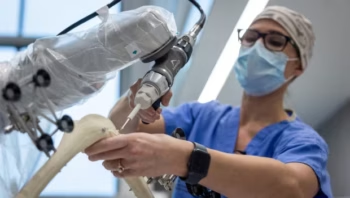
Robotic Hip Replacement In Gondia: Precision Orthopedic Surgery
For patients seeking Robotic hip replacement in Gondia, Dr. Abhishek Bhalotia at the Asian Institute Of Advanced Surgeries offers advanced robotic-assisted surgery that ensures precise implant placement, faster recovery, and long-lasting pain relief. Hip pain, arthritis, or joint degeneration can severely affect mobility and quality of life.
With years of expertise in orthopedic and joint replacement surgery, Dr. Bhalotia combines modern diagnostic tools, minimally invasive robotic techniques, and personalized rehabilitation plans for optimal outcomes.
Understanding Hip Pain and the Need for Surgery
Hip pain can arise from several causes:
- Osteoarthritis: Gradual wear and tear of the hip joint cartilage.
- Rheumatoid Arthritis: Autoimmune inflammation affecting hip joints.
- Hip Fractures: Injuries caused by falls or accidents.
- Avascular Necrosis: Reduced blood flow causing bone collapse.
Early diagnosis is crucial to prevent joint deterioration and determine if robotic hip replacement is the right solution.
Comprehensive Evaluation Before Robotic Hip Replacement
A precise evaluation ensures successful surgery and recovery:
- Physical Examination
- Assessing hip flexibility, stability, and surrounding muscle strength.
- Medical History Review
- Considering prior injuries, chronic conditions, and lifestyle factors.
- Imaging Studies
- X-rays, MRI, or CT scans to assess bone and cartilage health.
- Functional Assessment
- Understanding daily activity limitations to design a personalized surgical plan.
This ensures that every patient receives customized robotic hip replacement in Gondia for the best results.
Advantages of Robotic Hip Replacement
Robotic-assisted hip replacement provides several benefits over traditional surgery:
- Precision Surgery: Exact implant alignment using robotic guidance.
- Minimally Invasive: Smaller incisions reduce tissue damage and pain.
- Faster Recovery: Patients regain mobility sooner.
- Enhanced Longevity: Accurate placement improves implant lifespan.
- Better Functionality: Restores natural hip movement and stability.
Dr. Abhishek Bhalotia uses robotic technology to deliver highly accurate and reliable hip replacements.
Post-Surgery Care and Rehabilitation
Effective recovery depends on structured post-operative care:
- Physiotherapy: Tailored exercises to regain strength, flexibility, and mobility.
- Pain Management: Medications and strategies to reduce discomfort.
- Follow-Up Care: Regular monitoring to track healing and implant function.
- Lifestyle Guidance: Recommendations for safe movements, nutrition, and joint protection.
Following a structured rehabilitation plan ensures optimal outcomes and faster recovery.
Why Choose Dr. Abhishek Bhalotia for Robotic Hip Replacement In Gondia?
- Expertise: Extensive experience in robotic and traditional hip replacement surgeries.
- Advanced Technology: Robotic systems ensure precision and minimally invasive procedures.
- Patient-Centered Approach: Customized care plans for individual needs.
- Comprehensive Care: From evaluation to post-surgery rehabilitation, all steps are closely monitored.
Patients seeking robotic hip replacement in Gondia can trust Dr. Abhishek Bhalotia for effective care and lasting results.
Tips for Maintaining Hip Health
To protect your hips before or after surgery:
- Maintain a healthy weight to reduce stress on hip joints.
- Engage in low-impact exercises such as swimming, cycling, or walking.
- Eat a balanced diet rich in calcium, vitamin D, and anti-inflammatory foods.
- Practice proper posture and avoid overstraining hips.
- Follow physiotherapy instructions to strengthen supporting muscles.
Consistent care promotes long-term hip mobility and joint health.
Conclusion
Robotic hip replacement is a highly advanced solution for patients suffering from hip pain, arthritis, or joint degeneration. With robotic hip replacement in Gondia performed by Dr. Abhishek Bhalotia at the Asian Institute Of Advanced Surgeries, patients benefit from precise implant placement, minimally invasive surgery, faster recovery, and long-lasting pain relief.
With expert surgical planning, state-of-the-art robotic technology, and personalized post-operative care, patients can achieve improved hip function, enhanced mobility, and a return to an active lifestyle. Don’t let hip pain limit your daily activities—schedule a consultation with Dr. Abhishek Bhalotia today and take the first step toward a pain-free, active life.
FAQs About Robotic Hip Replacement In Gondia
Q1: How long does recovery take after robotic hip replacement?
Recovery typically ranges from 6–12 weeks with physiotherapy, depending on age and activity level.
Q2: Is robotic hip replacement safe?
Yes, robotic-assisted hip replacement is highly safe and precise when performed by an experienced orthopedic surgeon like Dr. Abhishek Bhalotia.
Q3: Can I resume daily activities after surgery?
Yes, most patients return to daily activities and low-impact exercises within weeks under proper guidance.
Q4: What are the advantages of robotic surgery over traditional hip replacement?
Robotic surgery ensures precise implant placement, smaller incisions, faster recovery, less pain, and longer-lasting joint function.
Q5: How do I book a consultation with Dr. Abhishek Bhalotia?
Appointments can be scheduled online or by contacting the Asian Institute Of Advanced Surgeries in Gondia directly.
Book Appointment with Dr. Abhishek Bhalotia at AIAS
If you are experiencing joint pain, limited mobility, or considering advanced joint replacement options, scheduling a consultation with Dr. Abhishek Bhalotia, MS Ortho, Fellow Joint Replacement (Hyd, UK), Robotic Joint Replacement Surgeon, can help you explore the most precise and effective treatment solutions. Early evaluation ensures that your symptoms are addressed before they affect daily activities and long-term joint health.
Consultations are available at the Asian Institute of Advanced Surgeries (AIAS) in Nagpur, where Dr. Bhalotia provides a thorough orthopedic assessment, reviews your medical history, evaluates joint function, and discusses lifestyle and activity factors. This helps in creating a tailored plan for robotic-assisted or conventional joint replacement, depending on your needs.