
Introduction
Chronic joint pain and mobility issues can affect every aspect of daily life. However, advancements in medical technology have transformed how surgeons treat complex orthopedic conditions. Today, Robotic Assisted Surgery in Koriya offers a highly precise, safe, and effective solution for patients who require surgical intervention.
At AIAS, Dr. Abhishek Bhalotia performs advanced robotic-assisted procedures with a focus on accuracy and patient recovery. Moreover, robotic systems enhance surgical planning and execution, which leads to better alignment and improved outcomes. Therefore, patients can expect faster healing and long-term relief compared to traditional surgery.
What is Robotic Assisted Surgery?
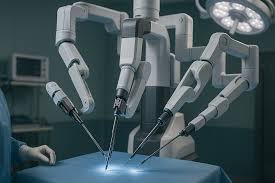
Robotic assisted surgery is a modern technique where a robotic system supports the surgeon during an operation. Importantly, the robot does not operate independently; instead, it follows the surgeon’s guidance with high precision.
Additionally, the system uses advanced imaging and real-time data to guide surgical movements. As a result, it improves accuracy, reduces human error, and enhances overall surgical performance.
Causes / Conditions Requiring Robotic Assisted Surgery
Doctors recommend Robotic Assisted Surgery in Koriya for patients with advanced orthopedic conditions that require precise intervention.
Common conditions include:
- Severe osteoarthritis
- Rheumatoid arthritis
- Joint degeneration
- Sports injuries
- Bone deformities
- Fractures needing surgical correction
- Failed previous surgeries
Moreover, lifestyle factors such as obesity, aging, and repetitive stress can worsen these conditions. Therefore, early diagnosis and timely treatment are essential.
Symptoms
Patients who may need robotic-assisted surgery often experience:
- Persistent joint pain
- Swelling and stiffness
- Limited mobility
- Difficulty performing daily activities
- Joint instability
- Pain during rest or movement
Additionally, if these symptoms do not improve with non-surgical treatments, surgery becomes necessary.
Types / Techniques
Dr. Abhishek Bhalotia uses robotic assistance in multiple orthopedic procedures.
1. Robotic Joint Replacement
Includes knee and hip replacement surgeries.
2. Robotic Knee Surgery
Ensures accurate alignment and better joint function.
3. Robotic Hip Surgery
Provides precise implant positioning for stability.
4. Minimally Invasive Robotic Procedures
Smaller incisions lead to faster recovery and less pain.
Moreover, robotic systems allow customization based on individual anatomy.
Procedure / Treatment Process
The process of Robotic Assisted Surgery in Koriya is systematic and technology-driven.
Step 1: Pre-Surgical Evaluation
The doctor conducts imaging tests like CT scans or X-rays. Therefore, a detailed surgical plan is created.
Step 2: 3D Planning
A virtual model of the affected joint is developed for precise planning.
Step 3: Robotic Guidance
During surgery, the robotic system assists the surgeon with real-time feedback.
Step 4: Precise Execution
The surgeon performs the procedure with enhanced control and accuracy.
Step 5: Closure and Recovery
The incision is closed, and post-operative care begins.
Additionally, this approach minimizes tissue damage and improves outcomes.
Non-Surgical Options
Before recommending surgery, doctors may try conservative treatments.
- Medications
- Physiotherapy
- Lifestyle modifications
- Joint injections
- Support devices
However, these options often provide temporary relief. Therefore, robotic-assisted surgery becomes the most effective long-term solution.
Recovery and Rehabilitation
Recovery after Robotic Assisted Surgery in Koriya is generally quicker compared to traditional surgery.
- Early movement within 24–48 hours
- Reduced hospital stay
- Less post-operative pain
- Faster healing
- Return to normal activities within weeks
Moreover, structured physiotherapy helps restore strength and flexibility.
Benefits of Robotic Assisted Surgery in Koriya
- High precision and accuracy
- Better surgical outcomes
- Reduced pain and blood loss
- Faster recovery time
- Lower risk of complications
- Long-lasting results
Additionally, patients experience improved mobility and overall quality of life.
Risks and Safety
Although robotic-assisted surgery is advanced, some risks may still exist:
- Infection
- Blood clots
- Implant-related issues
- Rare technical complications
However, Dr. Abhishek Bhalotia follows strict safety protocols. Therefore, the risk of complications remains low.
Why Choose Dr. Abhishek Bhalotia at AIAS
Choosing the right specialist is crucial for successful outcomes. Therefore, many patients trust Dr. Abhishek Bhalotia for Robotic Assisted Surgery in Koriya.
Advanced Expertise
He specializes in robotic orthopedic procedures.
Precision-Based Approach
He uses advanced robotic systems for accurate results.
Personalized Care
Each treatment plan is tailored to patient needs.
Complete Support
From diagnosis to recovery, patients receive comprehensive care.
Moreover, AIAS provides state-of-the-art infrastructure focused on safety and comfort.
Lifestyle Tips / Prevention
Maintaining joint health can reduce the need for surgery.
- Maintain a healthy weight
- Stay physically active
- Avoid excessive strain on joints
- Follow proper posture
- Seek early treatment for joint pain
Additionally, preventive care supports long-term musculoskeletal health.
Conclusion
Orthopedic conditions can limit your daily activities and overall well-being. However, Robotic Assisted Surgery in Koriya provides a precise, safe, and effective solution for complex joint problems. With the expertise of Dr. Abhishek Bhalotia at AIAS, patients benefit from advanced technology, faster recovery, and long-term relief.
Therefore, if you experience persistent joint issues, consulting a specialist at the right time can help you regain mobility and improve your quality of life.
FAQs
1. What is robotic assisted surgery?
It is a procedure where a robotic system assists the surgeon to perform precise and controlled surgical movements.
2. Who needs robotic assisted surgery?
Patients with severe joint damage or orthopedic conditions not responding to non-surgical treatments.
3. How long does recovery take?
Most patients recover within a few weeks, although full recovery may take a few months.
4. Is robotic assisted surgery safe?
Yes, it is highly safe and offers better precision than traditional surgery.
5. When should I consult a doctor?
If you experience persistent joint pain, stiffness, or limited mobility.
6. Are results long-lasting?
Yes, results are long-lasting, especially in joint replacement procedures.
7. Is robotic surgery better than traditional surgery?
Yes, it provides better accuracy, faster recovery, and fewer complications.
8. Can I return to normal activities after surgery?
Yes, most patients resume normal activities within a few weeks.
Book Appointment with Dr. Abhishek Bhalotia at AIAS
If you are experiencing joint pain, limited mobility, or considering advanced joint replacement options, scheduling a consultation with Dr. Abhishek Bhalotia, MS Ortho, Fellow Joint Replacement (Hyd, UK), Robotic Joint Replacement Surgeon, can help you explore the most precise and effective treatment solutions. Early evaluation ensures that your symptoms are addressed before they affect daily activities and long-term joint health.
Consultations are available at the Asian Institute of Advanced Surgeries (AIAS) in Nagpur, where Dr. Bhalotia provides a thorough orthopedic assessment, reviews your medical history, evaluates joint function, and discusses lifestyle and activity factors. This helps in creating a tailored plan for robotic-assisted or conventional joint replacement, depending on your needs.