
Introduction to Hip Replacement Surgery
Hip replacement surgery in Kanker offers an effective solution for individuals struggling with chronic hip pain and limited mobility. The hip joint plays a crucial role in supporting body weight and enabling smooth movement. However, conditions such as arthritis, injury, or long-term wear can damage the joint and make daily activities difficult. Many patients initially try medications, physiotherapy, and lifestyle changes; however, these methods may not provide lasting relief in advanced stages. Therefore, hip replacement surgery becomes a reliable option to restore comfort and mobility.
In this procedure, the surgeon replaces the damaged parts of the hip joint with artificial implants that replicate natural movement. As medical technology continues to advance, surgeons now achieve better precision and improved outcomes. Consequently, patients experience reduced pain, enhanced flexibility, and a more active lifestyle. In addition, modern techniques help minimize complications and support faster recovery.
Dr. Siddharth Jain at AIAS provides expert care for hip replacement surgery with a focus on accurate diagnosis and personalized treatment. He carefully evaluates each patient and develops a plan that ensures safe surgery and long-term success.
Conditions That May Require Hip Replacement
Several conditions can damage the hip joint and lead to the need for surgical treatment. Osteoarthritis remains one of the most common causes, as it gradually wears down the cartilage that cushions the joint. As a result, bones rub against each other, causing pain, stiffness, and reduced mobility. In addition, rheumatoid arthritis can lead to chronic inflammation and joint damage over time.
Avascular necrosis is another condition that affects the hip joint by disrupting blood supply to the bone. Consequently, the bone tissue weakens and collapses, leading to severe pain. Hip fractures, often caused by accidents or falls, may also require surgical intervention when they do not heal properly.
Patients who experience persistent pain, difficulty in movement, and reduced quality of life often benefit from hip replacement surgery. Dr. Siddharth Jain evaluates each case thoroughly and recommends surgery only when necessary, ensuring that patients receive the most appropriate treatment.
Types of Hip Replacement Surgery
Hip replacement surgery includes different approaches based on the extent of joint damage and patient needs. Total hip replacement involves replacing both the ball and socket of the hip joint. This method provides effective relief for patients with severe arthritis or extensive joint damage.
Partial hip replacement, on the other hand, replaces only the damaged portion of the joint. Surgeons often recommend this option for certain types of fractures. In some cases, revision hip replacement may be required to replace a worn-out or failed implant.
Each procedure has specific advantages, and the choice depends on factors such as age, activity level, and overall health. Dr. Siddharth Jain carefully selects the most suitable approach for each patient, ensuring optimal results and long-term functionality.
Surgical Procedure and Recovery
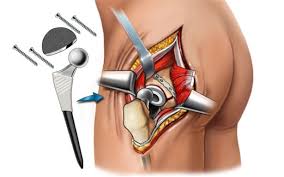
Surgeons perform hip replacement surgery under anesthesia to ensure patient comfort. During the procedure, they remove the damaged bone and cartilage from the hip joint and replace them with artificial components. These implants are designed to provide smooth movement and long-lasting durability. Moreover, advanced surgical techniques allow for precise placement, which improves joint function and stability.
After surgery, patients begin gentle movement under medical supervision. Early activity helps improve blood circulation and reduces the risk of complications. In addition, physiotherapy plays a key role in restoring strength, flexibility, and mobility. Patients follow structured rehabilitation programs that support gradual recovery.
Most individuals return to daily activities within a few weeks, although complete recovery may take a few months. Regular follow-ups help monitor progress and ensure proper healing. Dr. Siddharth Jain provides continuous guidance throughout the recovery process, helping patients achieve the best possible outcomes.
Benefits of Hip Replacement Surgery
Hip replacement surgery provides significant benefits for patients experiencing chronic hip pain. First, it reduces or eliminates pain, allowing patients to move comfortably. As mobility improves, individuals regain independence and return to their normal routines. In addition, improved joint function supports a more active and healthy lifestyle.
Modern implants offer durability and long-term performance. Therefore, patients can expect reliable results for many years. Furthermore, advancements in surgical techniques reduce complications and improve recovery outcomes. Patients also experience better joint alignment and smoother movement after surgery.
Overall, hip replacement surgery in Kanker improves both physical health and quality of life. With proper care and expert treatment, patients achieve long-lasting relief and enhanced mobility.
Rehabilitation and Long-Term Care
Rehabilitation plays an essential role in ensuring the success of hip replacement surgery. Patients follow structured physiotherapy programs that focus on strengthening muscles and improving flexibility. Regular exercise helps maintain joint function and supports long-term recovery.
In addition, patients should adopt healthy lifestyle habits to protect the new joint. Maintaining a healthy weight reduces stress on the hip, while consistent activity improves strength and balance. Avoiding excessive strain also helps extend the lifespan of the implant.
Dr. Siddharth Jain provides personalized rehabilitation plans based on each patient’s condition and recovery progress. He monitors healing closely and offers ongoing support. As a result, patients regain confidence and safely return to their daily activities.
Why Choose Dr. Siddharth Jain at AIAS
Choosing the right orthopedic surgeon is crucial for successful hip replacement surgery. Dr. Siddharth Jain at AIAS offers expertise, precision, and a patient-centered approach. He combines advanced surgical techniques with careful planning to deliver effective and long-lasting results.
Patients receive complete care from diagnosis to recovery. In addition, clear communication and personalized attention ensure a smooth treatment experience. His commitment to safety and quality outcomes makes him a trusted choice for hip replacement surgery in Kanker.
Frequently Asked Questions
What is hip replacement surgery?
Hip replacement surgery replaces damaged parts of the hip joint with artificial implants to restore movement and reduce pain.
Who needs hip replacement surgery?
Patients with severe hip pain and joint damage that do not improve with non-surgical treatments may need this procedure.
How long does the surgery take?
The procedure usually takes a few hours depending on the complexity.
What is the recovery time?
Most patients recover within a few weeks, while full recovery may take a few months.
Is hip replacement surgery safe?
Yes, experienced surgeons perform it safely using advanced techniques.
Will I need physiotherapy?
Yes, physiotherapy helps restore strength and mobility after surgery.
How long do hip implants last?
Implants can last for many years with proper care.
When can I return to normal activities?
Most patients return to daily activities within a few weeks under medical guidance.
Book Appointment with Dr. Siddharth Jain at AIAS
If you are experiencing joint discomfort, restricted movement, or any musculoskeletal concerns, scheduling a consultation with Dr. Siddharth Jain can help you better understand your condition and explore appropriate care options. Early evaluation often helps patients address symptoms before they begin to interfere with everyday activities and mobility.
Consultations are available at Asian Institute of Advanced Surgeries (AIAS) in Nagpur, where patients receive a structured orthopaedic assessment focused on identifying factors affecting bone, joint, and movement health. During the visit, individuals can discuss their symptoms, medical history, lifestyle habits, and physical activity levels.