
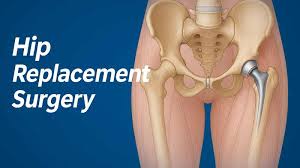
Hip Replacement Surgery in Dewas
Hip replacement surgery in Dewas is a reliable solution for individuals experiencing severe hip pain and limited mobility. Many patients consider this procedure when daily activities such as walking, sitting, or standing become difficult due to joint damage. With advancements in surgical techniques, hip replacement aims to restore smooth movement and reduce long-term discomfort.
Dr. Siddharth Jain, associated with Asian Institute of Advanced Surgeries (AIAS), provides structured care for hip replacement surgery. His approach focuses on accurate diagnosis, personalized planning, and patient education. Patients in Dewas benefit from modern techniques that improve joint function, reduce pain, and support a comfortable recovery process.
Understanding Hip Replacement Surgery in Dewas
Hip replacement surgery involves removing damaged portions of the hip joint and replacing them with artificial components. These components are typically made of metal, ceramic, or durable plastic to allow smooth movement within the joint.
The main goal is to reduce pain and restore mobility. By replacing worn-out joint surfaces, patients can regain the ability to move comfortably and perform daily tasks. With proper surgical planning and rehabilitation, this procedure offers long-lasting improvements in joint function.
Who Can Benefit from Hip Replacement Surgery in Dewas
Patients with persistent hip pain, stiffness, or reduced mobility may benefit from hip replacement surgery. Conditions such as arthritis, injury, or joint degeneration often lead to the need for surgical intervention when conservative treatments no longer provide relief.
Dr. Siddharth Jain evaluates each patient’s condition, including joint damage and overall health, before recommending surgery. Individuals who experience difficulty in walking or performing daily activities can achieve improved mobility and comfort through a well-planned procedure.
Common Concerns Addressed
Patients often have concerns about safety, recovery time, and the durability of the artificial joint. Hip replacement surgery addresses issues such as chronic pain, joint stiffness, and reduced range of motion by restoring proper joint function.
There may also be concerns about complications like dislocation or implant wear over time. However, these risks are relatively low when proper precautions and post-surgical care are followed. Artificial joints can last for many years depending on patient care and activity levels.
Consultation and Treatment Planning
During the consultation, Dr. Siddharth Jain conducts a detailed evaluation of the hip joint, including movement, alignment, and pain levels. This assessment helps determine whether hip replacement is the most suitable option.
Patients are informed about the procedure, expected outcomes, and recovery process. Clear communication ensures realistic expectations and helps patients feel confident about their treatment plan and surgical journey.
Advanced Techniques in Hip Replacement Surgery
Modern hip replacement surgery in Dewas incorporates advanced techniques that improve precision and reduce recovery time. Minimally invasive approaches use smaller incisions, leading to less tissue damage and faster healing.
Dr. Siddharth Jain uses updated surgical methods to ensure accurate implant placement and proper joint alignment. These advancements contribute to better outcomes, allowing patients to regain mobility more quickly and comfortably.
Why Choose Dr. Siddharth Jain for Hip Replacement Surgery
Dr. Siddharth Jain is known for his patient-focused approach and attention to detail in joint replacement procedures. He emphasizes accurate diagnosis and customized treatment planning to achieve consistent results.
At Asian Institute of Advanced Surgeries (AIAS), patients receive comprehensive care from initial consultation to recovery. This structured approach ensures safety, precision, and improved patient satisfaction throughout the treatment process.
Recovery and Aftercare
Recovery after hip replacement surgery involves gradual movement, physiotherapy, and adherence to medical guidance. Patients are encouraged to start walking with support soon after surgery to improve circulation and prevent complications.
Dr. Siddharth Jain provides detailed aftercare instructions, including exercises and activity guidelines. Regular follow-up visits help monitor progress and ensure that healing is progressing as expected. Proper rehabilitation plays a key role in achieving successful outcomes.
Long-Term Results
Hip replacement surgery offers long-term relief from pain and improved joint function. Most patients experience better mobility and can return to daily activities with greater ease.
With proper care and lifestyle adjustments, artificial hip joints can last for many years. Dr. Siddharth Jain focuses on delivering outcomes that support sustained comfort, stability, and improved quality of life for patients.
Frequently Asked Questions
Can I walk after hip replacement surgery?
Yes, patients usually begin walking with support soon after surgery.
What is hip replacement surgery?
It is a procedure where a damaged hip joint is replaced with an artificial joint.
Is hip replacement surgery safe?
Yes, it is generally safe when performed with proper planning and care.
How long does recovery take?
Most patients recover within a few weeks, with full recovery taking a few months.
How long does a hip implant last?
It can last 10–15 years or longer with proper care.
Book Appointment with Dr. Siddharth Jain at AIAS
If you are experiencing joint discomfort, restricted movement, or any musculoskeletal concerns, scheduling a consultation with Dr. Siddharth Jain can help you better understand your condition and explore appropriate care options. Early evaluation often helps patients address symptoms before they begin to interfere with everyday activities and mobility.
Consultations are available at Asian Institute of Advanced Surgeries (AIAS) in Nagpur, where patients receive a structured orthopaedic assessment focused on identifying factors affecting bone, joint, and movement health. During the visit, individuals can discuss their symptoms, medical history, lifestyle habits, and physical activity levels.