
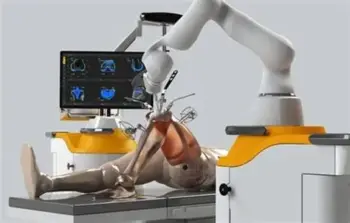
Robotic Knee Replacement In Akola
Robotic Knee Replacement In Akola At Asian Institute Of Advanced Surgeries, under the care of Dr. Abhishek Bhalotia, patients receive structured evaluation and personalized care aimed at improving knee function and overall quality of life.
Knee pain can affect mobility and make everyday activities such as walking, climbing stairs, and standing uncomfortable. With advancements in orthopedic care, Robotic Knee Replacement In Akola has become an important option for managing severe knee joint conditions. This modern technique combines surgical expertise with robotic assistance to enhance accuracy during the procedure.
Understanding Robotic Knee Replacement In Akola
Robotic Knee Replacement In Akola is a technology-assisted surgical procedure where a robotic system supports the surgeon in performing knee replacement with enhanced precision. The robotic system helps in planning and executing the surgery but does not replace the surgeon.
This procedure is commonly used for:
- Severe knee arthritis
- Joint degeneration
- Knee deformities
The goal is to improve alignment, ensure proper implant placement, and support better joint function.
How Robotic Knee Replacement Works ?
Pre-Surgical Planning
Before surgery, advanced imaging such as CT scans is used to create a 3D model of the knee. This allows accurate planning of the procedure.
During Surgery
The robotic system provides real-time guidance, helping the surgeon achieve precise bone preparation and implant positioning.
Post-Surgical Assessment
After surgery, the knee joint is evaluated to ensure proper alignment and function.
Benefits of Robotic Knee Replacement In Akola
Patients may experience several advantages:
- Improved surgical accuracy
- Better implant positioning
- Reduced impact on surrounding tissues
- Enhanced joint stability
- More consistent outcomes
Conditions That May Require Robotic Knee Replacement In Akola
Osteoarthritis
The most common cause of knee joint damage.
Rheumatoid Arthritis
An inflammatory condition affecting the joints.
Post-Traumatic Arthritis
Joint damage following injury.
Knee Deformities
Misalignment affecting movement and stability.
Types of Knee Replacement Procedures
Total Knee Replacement
The entire knee joint is replaced.
Partial Knee Replacement
Only the damaged portion of the knee is treated.
The choice depends on the patient’s condition and clinical evaluation.
Who Should Consider Robotic Knee Replacement ?
This procedure may be suitable for individuals who have:
- Persistent knee pain
- Difficulty walking or climbing stairs
- Limited joint movement
- No relief from non-surgical treatments
Consultation at Asian Institute Of Advanced Surgeries helps determine the best treatment approach.
Non-Surgical Options Before Surgery
Before recommending surgery, doctors may suggest:
Physiotherapy
Improves strength and flexibility.
Medication
Helps manage pain and inflammation.
Lifestyle Changes
Weight management and activity modification reduce joint stress.
If these treatments are not effective, surgery may be considered.
Recovery After Robotic Knee Replacement In Akola
Early Recovery
Initial monitoring and basic movement exercises.
Rehabilitation Phase
Structured physiotherapy to restore strength and mobility.
Long-Term Recovery
Gradual return to daily activities with improved function.
Recovery time varies depending on individual health and adherence to rehabilitation.
Role of Physiotherapy
Physiotherapy is essential for:
- Improving flexibility
- Strengthening muscles
- Enhancing joint stability
- Supporting functional recovery
A guided rehabilitation plan helps achieve better outcomes.
Cost of Robotic Knee Replacement In Akola
The cost depends on several factors:
- Type of procedure
- Technology used
- Hospital facilities
- Surgeon’s expertise
Patients are advised to discuss detailed costs during consultation.
Why Choose Robotic Knee Replacement ?
Akola offers:
- Access to experienced orthopedic specialists
- Modern surgical technology
- Affordable treatment options
- Comprehensive rehabilitation services
Patients can receive quality care close to home.
Why Patients Choose Dr. Abhishek Bhalotia at Asian Institute Of Advanced Surgeries ?
Advanced Technology
Use of robotic-assisted surgical techniques.
Personalised Care
Treatment tailored to individual needs.
Complete Support
From diagnosis to recovery, patients receive structured guidance.
When to Consult a Specialist ?
You should seek medical advice if you experience:
- Persistent knee pain
- Stiffness and reduced mobility
- Difficulty in daily activities
Early consultation helps in proper diagnosis and treatment planning.
Preventive Care for Knee Health
- Maintain a healthy weight
- Stay physically active
- Practice proper posture
- Avoid excessive strain on the knee joint
Preventive care supports long-term joint health.
Frequently Asked Questions (FAQs)
1. What is robotic knee replacement?
It is a procedure where robotic technology assists in performing knee replacement with improved precision.
2. Is robotic knee replacement safe?
It is a controlled and planned procedure performed under specialist supervision.
3. How long does recovery take?
Recovery varies depending on individual condition and rehabilitation.
4. Is physiotherapy required after surgery?
Yes, it is an important part of recovery.
5. Who is eligible for this procedure?
Patients with severe knee pain not responding to other treatments may be considered.
Book Appointment with Dr. Abhishek Bhalotia at AIAS
If you are experiencing joint pain, limited mobility, or considering advanced joint replacement options, scheduling a consultation with Dr. Abhishek Bhalotia, MS Ortho, Fellow Joint Replacement (Hyd, UK), Robotic Joint Replacement Surgeon, can help you explore the most precise and effective treatment solutions. Early evaluation ensures that your symptoms are addressed before they affect daily activities and long-term joint health.
Consultations are available at the Asian Institute of Advanced Surgeries (AIAS) in Nagpur, where Dr. Bhalotia provides a thorough orthopedic assessment, reviews your medical history, evaluates joint function, and discusses lifestyle and activity factors. This helps in creating a tailored plan for robotic-assisted or conventional joint replacement, depending on your needs.