
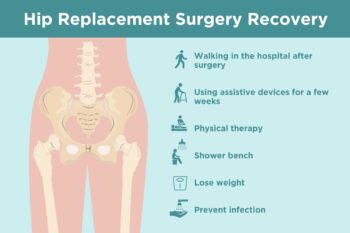
Hip Replacement Surgery In Akola
Hip Replacement Surgery In Akola By Dr. Siddharth Jain at Asian Institute Of Advanced Surgeries, patients receive comprehensive evaluation and personalized treatment planning for hip joint conditions. Choosing Hip Replacement Surgery In Akola ensures access to skilled expertise, advanced facilities, and patient-focused care.
Hip pain can significantly affect mobility, independence, and overall quality of life. For individuals experiencing chronic discomfort due to arthritis, injury, or joint degeneration, Hip Replacement Surgery In Akola offers an effective solution to restore movement and improve daily functioning. With advancements in orthopedic care, patients now have access to modern surgical techniques and structured rehabilitation programs that support better outcomes.
Understanding Hip Replacement Surgery In Akola
Hip Replacement Surgery In Akola is a procedure in which a damaged or worn-out hip joint is replaced with an artificial implant. The hip joint is a ball-and-socket joint that allows smooth movement. When this joint becomes damaged, it can cause pain, stiffness, and restricted mobility.
The procedure aims to:
- Improve joint function
- Reduce discomfort
- Restore mobility
- Enhance overall quality of life
Modern techniques used in Hip Replacement Surgery focus on precision and minimal tissue disruption, supporting better recovery experiences.
Conditions That May Require Hip Replacement Surgery
Several medical conditions may lead to the need for Hip Replacement Surgery.
Osteoarthritis
Osteoarthritis is one of the most common reasons for hip replacement. It involves the gradual wear and tear of cartilage, leading to pain and stiffness.
Rheumatoid Arthritis
This inflammatory condition affects the joint lining and can cause joint damage over time.
Hip Fractures
Severe fractures due to accidents or falls may require surgical replacement of the joint.
Avascular Necrosis
This condition occurs when blood supply to the hip bone is reduced, leading to bone damage.
Post-Traumatic Arthritis
Injuries to the hip joint may result in long-term joint degeneration.
Patients experiencing these conditions often consider Hip Replacement Surgery when non-surgical treatments no longer provide relief.
Symptoms Indicating the Need for Hip Replacement Surgery
Recognising the symptoms early can help in timely intervention.
Common symptoms include:
- Persistent hip pain
- Stiffness in the joint
- Difficulty walking or climbing stairs
- Reduced range of motion
- Pain that interferes with sleep
When these symptoms affect daily activities, consulting a specialist for Hip Replacement Surgery becomes important.
Types of Hip Replacement Surgery
Total Hip Replacement
In this procedure, both the ball and socket of the hip joint are replaced with artificial components.
Partial Hip Replacement
Only the damaged part of the hip joint is replaced.
Revision Hip Replacement
This is performed when a previous hip replacement needs correction or replacement.
Each type of Hip Replacement Surgery is selected based on the patient’s condition and medical evaluation.
Procedure of Hip Replacement Surgery
Understanding the procedure helps patients feel more confident about the treatment.
Pre-Surgical Assessment
- Medical evaluation
- Imaging tests
- Treatment planning
Surgical Process
- Removal of damaged joint
- Placement of artificial implant
- Alignment and fixation
Post-Surgical Care
- Monitoring recovery
- Pain management
- Initiation of physiotherapy
The structured approach ensures safe and effective Hip Replacement Surgery.
Benefits of Hip Replacement Surgery
Patients undergoing Hip Replacement Surgery may experience several benefits:
- Improved mobility
- Reduced joint stiffness
- Better ability to perform daily activities
- Enhanced quality of life
Modern surgical techniques contribute to improved outcomes and recovery experiences.
Non-Surgical Alternatives Before Hip Replacement Surgery
Before recommending surgery, doctors often explore non-surgical options.
Physiotherapy
Helps strengthen muscles and improve joint function.
Medication
Used to manage pain and inflammation.
Lifestyle Modifications
Weight management and activity changes can reduce stress on the hip joint.
When these methods are no longer effective, Hip Replacement Surgery may be considered.
Recovery After Hip Replacement Surgery
Recovery is an important part of the treatment journey.
Early Recovery Phase
- Hospital stay and monitoring
- Initial physiotherapy
Rehabilitation Phase
- Strength and mobility exercises
- Gradual return to activities
Long-Term Recovery
- Continued improvement in mobility
- Regular follow-up visits
Following medical advice supports a smoother recovery after Hip Replacement Surgery In Akola.
Role of Physiotherapy After Hip Replacement Surgery
Physiotherapy plays a vital role in recovery.
Key Benefits:
- Improves flexibility
- Strengthens muscles
- Enhances joint stability
- Supports functional recovery
Structured rehabilitation is essential for achieving the best outcomes from Hip Replacement Surgery .
Cost of Hip Replacement Surgery
The cost of Hip Replacement Surgery depends on several factors:
- Type of surgery
- Hospital facilities
- Implant used
- Surgeon’s experience
Patients are advised to discuss the treatment plan and cost details during consultation.
Why Choose Hip Replacement Surgery ?
Akola is becoming a preferred location for orthopedic care due to:
- Availability of experienced specialists
- Modern medical infrastructure
- Affordable treatment options
- Comprehensive rehabilitation services
Choosing Hip Replacement Surgery provides access to quality care closer to home.
Why Patients Choose Dr. Siddharth Jain at Asian Institute Of Advanced Surgeries ?
Patients seeking Hip Replacement Surgery often prefer experienced and reliable care providers.
Comprehensive Care
Dr. Siddharth Jain at Asian Institute Of Advanced Surgeries offers complete evaluation and treatment planning.
Patient-Focused Approach
Care is tailored according to individual needs and recovery goals.
Advanced Techniques
Modern surgical methods and rehabilitation support improved outcomes.
When to Consult for Hip Replacement Surgery ?
You should consider consulting a specialist if you experience:
- Persistent hip pain
- Difficulty in movement
- Limited joint flexibility
- Reduced quality of life
Early consultation helps determine whether Hip Replacement Surgery is required.
Preventive Measures for Hip Joint Health
Maintaining hip health can delay or prevent the need for surgery.
Tips:
- Maintain a healthy weight
- Stay physically active
- Practice proper posture
- Avoid excessive strain
Preventive care supports long-term joint health.
Frequently Asked Questions (FAQs) For Hip Replacement Surgery ?
1. What is Hip Replacement Surgery ?
It is a procedure to replace a damaged hip joint with an artificial implant to improve mobility.
2. Who needs Hip Replacement Surgery ?
Patients with severe hip pain or joint damage may require this surgery.
3. How long does recovery take?
Recovery varies but generally takes a few weeks to months.
4. Is physiotherapy necessary after surgery?
Yes, physiotherapy is important for recovery and mobility improvement.
5. Are there non-surgical options available?
Yes, physiotherapy and medications are often tried before surgery.
Book Appointment with Dr. Siddharth Jain at AIAS
If you are experiencing joint discomfort, restricted movement, or any musculoskeletal concerns, scheduling a consultation with Dr. Siddharth Jain can help you better understand your condition and explore appropriate care options. Early evaluation often helps patients address symptoms before they begin to interfere with everyday activities and mobility.
Consultations are available at Asian Institute of Advanced Surgeries (AIAS) in Nagpur, where patients receive a structured orthopaedic assessment focused on identifying factors affecting bone, joint, and movement health. During the visit, individuals can discuss their symptoms, medical history, lifestyle habits, and physical activity levels.