
Knee Replacement Surgery in Sagar
Introduction
Knee replacement surgery in Sagar helps patients regain mobility and reduce long-term joint pain caused by severe knee damage. Many individuals consider knee replacement surgery in Sagar when daily activities such as walking, climbing stairs, or standing become difficult due to persistent discomfort. Early evaluation helps determine the right time for surgical intervention.
Dr. Siddharth Jain at Asian Institute of Advanced Surgeries (AIAS) provides personalized care for patients with advanced knee conditions. He carefully assesses each case and recommends treatment that restores function and improves quality of life. His approach focuses on precision, safety, and long-term recovery.
Understanding Knee Replacement Surgery in Sagar
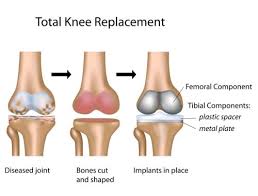
Knee replacement surgery involves replacing damaged knee joint surfaces with artificial components to restore smooth movement. This procedure is commonly recommended for patients with severe arthritis or joint degeneration. It helps reduce pain and improve stability in the knee.
Dr. Siddharth Jain evaluates the extent of joint damage before planning surgery. He ensures that the replacement components match the patient’s anatomy. This careful planning supports better alignment, improved function, and long-lasting results.
Who Needs Knee Replacement Surgery
Patients who experience severe knee pain that does not improve with medication or therapy may require surgery. Difficulty walking, stiffness, and swelling often indicate advanced joint damage. These symptoms can limit independence and affect daily activities.
Dr. Siddharth Jain identifies suitable candidates through detailed examination and imaging. He recommends surgery only when non-surgical methods no longer provide relief. This ensures that patients receive the right treatment at the right stage.
Symptoms That Indicate Knee Replacement
Persistent knee pain during movement or rest is a common sign that requires attention. Other symptoms include joint stiffness, swelling, and reduced flexibility. Patients may also notice difficulty performing routine tasks such as sitting or climbing stairs.
Dr. Siddharth Jain evaluates these symptoms carefully to determine the severity of the condition. Early diagnosis helps prevent further damage and allows timely treatment. Addressing symptoms promptly improves recovery outcomes.
Diagnosis and Pre-Surgical Evaluation
Accurate diagnosis is essential before performing knee replacement surgery in Sagar. Dr. Siddharth Jain conducts a thorough physical examination and may recommend imaging tests such as X-rays or scans. These tests help assess joint damage and alignment.
He explains the findings clearly and discusses the surgical plan in detail. Patients receive guidance on preparation, including lifestyle adjustments and pre-surgery care. Proper evaluation ensures safe and effective treatment.
Non-Surgical Treatment Options
Before recommending surgery, doctors often explore non-surgical options. These include medication, physiotherapy, weight management, and lifestyle changes. Such treatments can help reduce pain and improve joint function in early stages.
Dr. Siddharth Jain focuses on conservative treatment whenever possible. He designs personalized plans to manage symptoms effectively. However, when these methods no longer provide relief, surgery becomes the next step.
Advanced Knee Replacement Surgery in Sagar
When non-surgical treatments fail, knee replacement surgery provides a reliable solution. The procedure involves removing damaged cartilage and bone and replacing them with artificial implants. This restores smooth joint movement and reduces pain.
Dr. Siddharth Jain performs knee replacement with precision and careful planning. He ensures proper alignment and stability of the joint. Modern techniques support faster recovery and improved long-term results for patients.
Why Choose Dr. Siddharth Jain for Knee Replacement Surgery in Sagar
Choosing the right surgeon is essential for successful outcomes. Dr. Siddharth Jain at Asian Institute of Advanced Surgeries (AIAS) focuses on accurate diagnosis and personalized care. He ensures that each patient receives treatment based on their specific needs.
He prioritizes patient safety, clear communication, and structured recovery plans. From consultation to post-surgery care, he guides patients through every stage. His approach helps achieve consistent and reliable results.
Rehabilitation and Recovery After Surgery
Recovery is a crucial part of knee replacement surgery in Sagar. Patients must follow a structured rehabilitation program that includes physiotherapy and guided exercises. This helps restore strength, flexibility, and joint function.
Dr. Siddharth Jain monitors recovery closely and adjusts treatment as needed. He ensures that patients progress safely and regain mobility over time. Proper rehabilitation supports long-term success and improves overall quality of life.
Frequently Asked Questions
1. When is knee replacement surgery needed?
It is needed when severe pain limits daily activities.
Non-surgical treatments may no longer provide relief.
2. How long does recovery take after surgery?
Initial recovery takes a few weeks.
Full recovery may take several months.
3. Is knee replacement surgery safe?
Yes, it is safe when performed by an experienced surgeon.
Proper care ensures better outcomes.
4. Can I walk after knee replacement surgery?
Yes, patients usually start walking within days.
Physiotherapy supports gradual improvement.
5. How long do knee implants last?
Most implants last many years.
Proper care helps maintain their function.
Book Appointment with Dr. Siddharth Jain at AIAS
If you are experiencing joint discomfort, restricted movement, or any musculoskeletal concerns, scheduling a consultation with Dr. Siddharth Jain can help you better understand your condition and explore appropriate care options. Early evaluation often helps patients address symptoms before they begin to interfere with everyday activities and mobility.
Consultations are available at Asian Institute of Advanced Surgeries (AIAS) in Nagpur, where patients receive a structured orthopaedic assessment focused on identifying factors affecting bone, joint, and movement health. During the visit, individuals can discuss their symptoms, medical history, lifestyle habits, and physical activity levels.