
Hip Replacement Surgery in Bastar – Dr. Siddharth Jain (AIAS)
MBBS, MS, DNB, FIAS (England) | Arthroscopy, Sports Injury & Orthopedic Surgeon at AIAS
Hip pain can severely affect daily life. Walking, climbing stairs, sitting comfortably, or even sleeping may become difficult when the hip joint becomes damaged. Therefore, individuals suffering from chronic hip pain should consider advanced orthopedic treatment before mobility becomes further restricted.
Patients in Bastar can receive expert care for hip disorders from Dr. Siddharth Jain. As a highly qualified orthopedic specialist with MBBS, MS, DNB, and FIAS (England), Dr. Siddharth Jain provides advanced diagnosis and treatment for hip joint problems, including hip replacement surgery.
Moreover, modern orthopedic techniques have transformed joint replacement procedures. Consequently, patients can now experience reduced pain, improved mobility, and a better quality of life after surgery.
Understanding Hip Replacement Surgery
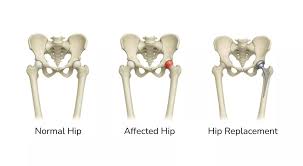
Hip replacement surgery, also called total hip arthroplasty, involves replacing a damaged hip joint with an artificial implant. During the procedure, the surgeon removes damaged bone and cartilage and replaces them with prosthetic components that replicate the natural joint structure.
The artificial hip typically includes:
- A metal stem inserted into the thighbone
- A replacement ball attached to the stem
- A socket component placed in the pelvic bone
Together, these parts restore smooth joint movement and reduce pain.
Furthermore, hip replacement surgery usually takes around two hours, and many patients can return home the same day depending on their condition and recovery progress.
Why Hip Problems Occur
Several medical conditions can damage the hip joint over time. Understanding these causes helps patients recognize symptoms early.
Osteoarthritis
Osteoarthritis gradually wears away the cartilage that protects the hip joint. Consequently, bones rub against each other, causing pain, stiffness, and reduced mobility.
Rheumatoid Arthritis
Rheumatoid arthritis occurs when the immune system attacks the joint lining, resulting in inflammation and joint damage.
Hip Fractures
Severe fractures, especially in older adults, can damage the hip joint and sometimes require replacement surgery.
Avascular Necrosis
Loss of blood supply to the hip bone may lead to bone tissue death and joint collapse.
Previous Injuries
Sports injuries, accidents, or untreated joint damage may eventually lead to chronic hip pain.
Because these conditions gradually worsen, early orthopedic consultation becomes essential.
Signs You May Need Hip Replacement Surgery
Individuals experiencing persistent hip problems should consult an orthopedic specialist. Certain symptoms indicate the possibility of advanced joint damage.
Common warning signs include:
- Persistent hip or groin pain
- Difficulty walking or climbing stairs
- Pain that disturbs sleep
- Stiffness while bending or sitting
- Reduced range of motion
- Limited relief from medication or physiotherapy
Patients experiencing these symptoms may benefit from hip replacement surgery after proper evaluation.
Expertise of Dr. Siddharth Jain
Residents seeking hip replacement surgery in Bastar can consult Dr. Siddharth Jain, a highly experienced orthopedic surgeon at AIAS.
Dr. Siddharth Jain completed MBBS and later specialized in orthopedics through MS training. Subsequently, he earned DNB certification, which demonstrates advanced surgical expertise. Additionally, his FIAS (England) qualification reflects international exposure to modern orthopedic techniques.
Because hip disorders require accurate diagnosis, Dr. Siddharth Jain performs detailed clinical evaluation and imaging studies before recommending treatment.
Furthermore, he emphasizes personalized care. Every patient receives a tailored treatment plan designed according to age, lifestyle, and severity of joint damage.
The Hip Replacement Procedure
Hip replacement surgery involves several carefully planned steps.
Preoperative Assessment
First, the orthopedic surgeon evaluates the patient’s medical history and performs imaging tests such as X-rays or MRI scans.
Anesthesia
Patients receive either spinal anesthesia or general anesthesia before surgery.
Removal of Damaged Joint
The surgeon removes damaged cartilage and bone from the hip joint.
Implant Placement
Next, the surgeon places artificial components into the hip socket and thighbone.
Closure and Recovery
Finally, the surgical incision is closed, and the patient moves to the recovery area for monitoring.
Because modern surgical techniques focus on precision, most procedures achieve excellent results.
Benefits of Hip Replacement Surgery
Hip replacement surgery offers several life-changing benefits.
Pain Relief
Artificial joint components eliminate friction between damaged bones, which significantly reduces pain.
Improved Mobility
Patients regain the ability to walk, climb stairs, and perform daily activities comfortably.
Better Quality of Life
Individuals experience increased independence and physical activity.
Long-Term Solution
Modern hip implants can last 15–20 years or longer with proper care and rehabilitation.
Therefore, hip replacement surgery remains one of the most successful orthopedic procedures worldwide.
Recovery After Hip Replacement Surgery
Recovery plays an essential role in achieving the best outcomes after surgery.
Early Movement
Patients usually begin sitting or walking with assistance shortly after surgery to improve circulation and reduce complications.
Physiotherapy
Physical therapy helps restore muscle strength and joint mobility.
Assistive Devices
Initially, patients may use crutches or walkers for support while walking.
Gradual Activity Increase
Over time, individuals regain independence and return to daily activities.
Most patients notice significant improvement within three months, although recovery may continue for up to a year.
During follow-up visits, Dr. Siddharth Jain monitors healing progress and adjusts rehabilitation programs when necessary.
Potential Risks and Complications
Although hip replacement surgery has a high success rate, certain risks may occur.
Possible complications include:
- Infection
- Blood clots
- Joint dislocation
- Implant loosening over time
- Nerve or blood vessel injury
However, experienced orthopedic surgeons minimize these risks through modern surgical techniques and careful postoperative care.
Tips for Maintaining a Healthy Hip Joint
Preventive care helps maintain joint health and prolong the life of hip implants.
Individuals should:
- Maintain a healthy body weight
- Perform regular low-impact exercises
- Practice proper posture while sitting and walking
- Avoid excessive strain on joints
- Seek medical advice for persistent joint pain
Furthermore, early diagnosis of joint disorders helps prevent severe damage that may require surgery.
Why Choose Hip Replacement Surgery in Bastar
Patients in Bastar benefit from receiving orthopedic care locally.
Expert Orthopedic Care
Residents can consult experienced specialists such as Dr. Siddharth Jain.
Advanced Surgical Techniques
Modern medical facilities provide accurate diagnosis and treatment.
Personalized Patient Care
Treatment plans are customized according to each patient’s needs.
Convenient Rehabilitation
Local follow-up care makes recovery and physiotherapy easier.
Because of these advantages, many patients prefer undergoing orthopedic treatment within their region.
Frequently Asked Questions (FAQs)
1. Who provides hip replacement surgery in Bastar?
Dr. Siddharth Jain provides expert diagnosis and hip replacement treatment at AIAS.
2. When is hip replacement surgery recommended?
Doctors recommend hip replacement when chronic hip pain and mobility problems persist despite medication, physiotherapy, or lifestyle changes.
3. How long does hip replacement surgery take?
The procedure usually takes about two hours depending on the complexity of the case.
4. How long does recovery take?
Most patients recover significantly within three months, although full recovery may take up to one year.
5. Is hip replacement surgery safe?
Yes. Modern surgical techniques have significantly improved safety and success rates.
6. How long do hip implants last?
Modern implants can last 15–20 years or more with proper care.
7. Can patients walk after hip replacement surgery?
Yes. Patients usually begin walking with assistance shortly after surgery.
8. What activities should be avoided after surgery?
High-impact activities such as running or jumping should generally be avoided to protect the artificial joint.
Book Appointment with Dr. Siddharth Jain at AIAS
If you are experiencing joint discomfort, restricted movement, or any musculoskeletal concerns, scheduling a consultation with Dr. Siddharth Jain can help you better understand your condition and explore appropriate care options. Early evaluation often helps patients address symptoms before they begin to interfere with everyday activities and mobility.
Consultations are available at Asian Institute of Advanced Surgeries (AIAS) in Nagpur, where patients receive a structured orthopaedic assessment focused on identifying factors affecting bone, joint, and movement health. During the visit, individuals can discuss their symptoms, medical history, lifestyle habits, and physical activity levels.