
Robotic Hip Replacement in Ujjain
Introduction
Robotic hip replacement in Ujjain provides a highly precise and minimally invasive option for patients with severe hip pain or joint degeneration. Many individuals choose robotic hip replacement in Ujjain when traditional surgery may not offer optimal alignment or long-term function. The procedure uses advanced robotic technology to guide the surgeon in accurate implant placement, improving joint stability, reducing pain, and accelerating recovery.
Dr. Abhishek Bhalotia at Asian Institute of Advanced Surgeries (AIAS) evaluates each patient individually and creates a personalized surgical plan. The combination of robotic guidance and surgical expertise ensures precise alignment, minimal tissue trauma, and a smoother recovery for patients aiming to regain mobility and comfort.
Understanding Robotic Hip Replacement
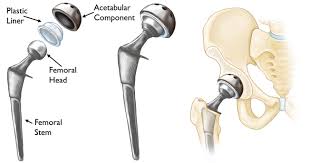
Robotic hip replacement combines conventional hip replacement techniques with robotic-assisted technology. The surgeon uses 3D imaging to plan the procedure in detail and executes it with robotic precision. This approach minimizes soft tissue damage and ensures accurate implant placement, which improves long-term joint function.
Dr. Abhishek Bhalotia adjusts the implant positioning in real time during surgery, enhancing accuracy and reducing the risk of complications. Precise alignment ensures better stability, joint movement, and durability, allowing patients to regain mobility more effectively.
Who Needs Robotic Hip Replacement
Patients with advanced arthritis, hip deformities, fractures, or joint degeneration may benefit from robotic hip replacement. Individuals who have difficulty achieving optimal outcomes with conventional hip replacement or require precise implant alignment often consider this technology.
Dr. Abhishek Bhalotia assesses each patient’s medical history, hip anatomy, and activity level to determine suitability. Personalized evaluation ensures patients understand the benefits, limitations, and recovery expectations before undergoing surgery.
Signs You May Require Robotic Hip Replacement
Persistent hip pain, stiffness, difficulty walking, and reduced range of motion can indicate the need for robotic hip replacement. Hip deformities or uneven joint wear may make robotic guidance particularly beneficial for optimal implant positioning.
Dr. Abhishek Bhalotia conducts a detailed clinical assessment to evaluate the severity of joint damage. He explains the procedure, expected results, and rehabilitation plan. Early consultation improves surgical precision and long-term joint health.
Evaluation and Preoperative Planning
Before robotic hip replacement, Dr. Abhishek Bhalotia performs a thorough evaluation, including physical examination, imaging studies, and 3D scans. These assessments allow precise planning of implant size, alignment, and positioning. Personalized preparation ensures patient safety and optimal outcomes.
During consultation, he discusses anesthesia, the robotic-assisted surgical process, and recovery protocols. Patients receive clear instructions to prepare for surgery. Comprehensive preoperative planning enhances safety and supports effective rehabilitation.
The Robotic Hip Replacement Procedure
During surgery, Dr. Abhishek Bhalotia removes damaged bone and cartilage and places prosthetic implants with robotic assistance. The robotic system guides bone preparation, ensures accurate implant alignment, and minimizes tissue trauma. Surgery typically lasts a few hours under anesthesia.
Real-time robotic feedback allows precise adjustments during the procedure, improving stability and function. Patients experience less postoperative pain, faster recovery, and enhanced joint performance compared to traditional hip replacement methods.
Recovery After Robotic Hip Replacement
Recovery after robotic hip replacement emphasizes early mobilization and structured rehabilitation. Physical therapy restores strength, flexibility, and joint function. Patients gradually resume daily activities while following exercise protocols and movement guidelines.
Dr. Abhishek Bhalotia provides detailed instructions on pain management, activity progression, and follow-up care. Active participation in rehabilitation ensures optimal results and supports a safe return to normal life, promoting long-term hip health.
Long-Term Results and Expectations
Robotic hip replacement provides long-lasting pain relief, improved mobility, and better joint function. Patients often return to daily activities and low-impact exercises with reduced discomfort. Long-term success depends on adherence to rehabilitation, lifestyle management, and regular follow-up appointments.
Dr. Abhishek Bhalotia monitors recovery and guides patients on maintaining joint health. With proper care and realistic expectations, robotic hip replacement in Ujjain offers precise, safe, and durable outcomes, improving overall quality of life.
Frequently Asked Questions
1. What is robotic hip replacement?
Robotic hip replacement uses robotic technology to guide implant placement for precise alignment and improved joint function.
2. Who is a candidate for robotic hip replacement?
Patients with severe arthritis, hip deformities, fractures, or failed conventional hip surgery benefit from robotic-assisted procedures.
3. How long is recovery after robotic hip replacement?
Initial recovery typically takes a few weeks, while full functional improvement may take several months.
4. Is robotic hip replacement more accurate than traditional surgery?
Yes, robotic assistance allows precise implant placement, reduces complications, and enhances long-term outcomes.
5. Can robotic hip replacement improve mobility?
Yes, patients experience reduced pain, improved stability, and better joint movement with proper rehabilitation.
Book Appointment with Dr. Abhishek Bhalotia at AIAS
If you are experiencing joint pain, limited mobility, or considering advanced joint replacement options, scheduling a consultation with Dr. Abhishek Bhalotia, MS Ortho, Fellow Joint Replacement (Hyd, UK), Robotic Joint Replacement Surgeon, can help you explore the most precise and effective treatment solutions. Early evaluation ensures that your symptoms are addressed before they affect daily activities and long-term joint health.
Consultations are available at the Asian Institute of Advanced Surgeries (AIAS) in Nagpur, where Dr. Bhalotia provides a thorough orthopedic assessment, reviews your medical history, evaluates joint function, and discusses lifestyle and activity factors. This helps in creating a tailored plan for robotic-assisted or conventional joint replacement, depending on your needs.