
Knee Replacement Surgery in Ujjain
Introduction
Knee replacement surgery in Ujjain is a common procedure for individuals who experience persistent knee pain, stiffness, or limited mobility. Many patients consider knee replacement surgery in Ujjain when conservative treatments such as medication and physical therapy no longer provide relief. This surgical procedure replaces damaged knee joint surfaces with artificial components to improve function and reduce pain.
Dr. Siddharth Jain at Asian Institute of Advanced Surgeries (AIAS) evaluates each patient thoroughly to determine the most appropriate treatment. A detailed consultation helps patients understand the benefits, risks, and expected recovery process. With careful planning, knee replacement surgery can significantly enhance quality of life and restore mobility.
Understanding Knee Replacement
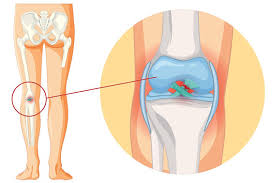
Knee replacement is a surgical procedure that replaces worn or damaged cartilage and bone in the knee joint with artificial implants. This surgery is typically recommended for people with moderate to severe arthritis or significant joint damage. The goal of knee replacement is to relieve pain, improve mobility, and restore function.
Dr. Siddharth Jain reviews imaging scans and clinical findings to assess the extent of joint degeneration. Personalized surgical planning ensures the correct type of implant and surgical approach are chosen for each patient. Proper planning contributes to stable and lasting outcomes.
Who Needs Knee Replacement Surgery
Knee replacement surgery in Ujjain is often recommended for individuals whose knee pain interferes with daily activities. Common reasons include severe arthritis, long-standing joint wear, or knee trauma that leads to chronic pain. Patients may find it difficult to walk, climb stairs, or stand for long periods.
Dr. Siddharth Jain evaluates each case to determine whether conservative treatments have been exhausted. If pain persists despite non-surgical care, surgery may be considered. Every patient is assessed individually to ensure knee replacement is the most appropriate option.
Signs You May Require Knee Replacement
Certain symptoms indicate that knee replacement surgery may be necessary. Persistent pain that limits daily activities, significant swelling, stiffness, and reduced range of motion are common signs. Knee grinding sensations or deformity in the joint may also suggest advanced degeneration.
Individuals who notice progressive worsening of these symptoms should consult an orthopedic specialist. Dr. Siddharth Jain examines these signs and recommends the next steps. Early consultation can help prevent further joint damage and improve surgical outcomes.
Evaluation and Preoperative Planning
Before knee replacement surgery in Ujjain, a comprehensive evaluation is essential. The orthopedic doctor reviews the patient’s medical history, conducts a physical examination, and orders imaging studies to assess joint damage. This evaluation helps determine the type of knee replacement needed.
Dr. Siddharth Jain explains the surgical process, expected outcomes, and recovery timeline during consultation. Patients also discuss anesthesia options and preparation steps before surgery. Clear communication during the planning phase builds confidence and ensures patients are well-informed.
The Knee Replacement Procedure
During knee replacement surgery, the damaged surfaces of the knee joint are removed and replaced with precisely fitted artificial components. The surgeon aligns the implant to restore proper joint mechanics. The procedure typically takes a few hours under anesthesia.
Dr. Siddharth Jain uses careful surgical techniques to minimize tissue trauma and support stable joint function. Personalized implant selection and precise alignment help improve long-term outcomes. The surgical goal is to relieve pain and enable more comfortable movement after healing.
Recovery After Knee Replacement
Recovery is an important stage of knee replacement surgery. After the procedure, patients begin gentle movement exercises to prevent stiffness and promote circulation. Physical therapy plays a key role in regaining strength and mobility.
Patients may experience mild discomfort, swelling, or fatigue during early recovery. Dr. Siddharth Jain provides detailed guidance on activity progression and pain management. Following post-operative instructions and attending rehabilitation sessions contribute to successful recovery.
Long-Term Results and Expectations
Most patients experience significant pain relief and improved mobility after knee replacement surgery in Ujjain. Long-term results depend on factors such as surgical precision, rehabilitation commitment, and overall health. Many individuals return to daily activities and enjoy a more active lifestyle.
Dr. Siddharth Jain emphasizes realistic expectations and helps patients prepare for long-term maintenance. Regular follow-up visits monitor healing and joint function over time. With proper care and rehabilitation, knee replacement can offer lasting improvement in quality of life.
Frequently Asked Questions – Knee replacement surgery in Ujjain
1. What is knee replacement surgery?
Knee replacement surgery replaces damaged knee joint surfaces with artificial components to relieve pain and improve function.
2. How long does recovery take?
Recovery varies by individual, but most patients regain daily activity levels within weeks and continue improving over months.
3. Are results permanent?
Knee replacements are long-lasting, though lifestyle factors influence durability over time.
4. Is knee replacement painful?
Discomfort is expected after surgery, but pain is managed with medication and therapy during recovery.
5. Who is a good candidate for knee replacement?
Patients with chronic pain, limited mobility, and advanced arthritis may benefit from knee replacement after evaluation.
Book Appointment with Dr. Siddharth Jain at AIAS – Knee replacement surgery in Ujjain
If you are experiencing joint discomfort, restricted movement, or any musculoskeletal concerns, scheduling a consultation with Dr. Siddharth Jain can help you better understand your condition and explore appropriate care options. Early evaluation often helps patients address symptoms before they begin to interfere with everyday activities and mobility.
Consultations are available at Asian Institute of Advanced Surgeries (AIAS) in Nagpur, where patients receive a structured orthopaedic assessment focused on identifying factors affecting bone, joint, and movement health. During the visit, individuals can discuss their symptoms, medical history, lifestyle habits, and physical activity levels.