
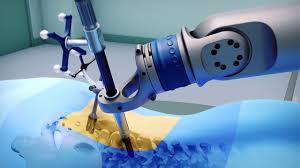
Robotic Orthopedic Surgery in Gwalior
Robotic orthopedic surgery in Gwalior is an advanced medical approach that combines orthopedic expertise with robotic technology to perform joint and bone procedures with high precision. Many patients suffer from severe joint pain due to arthritis, injuries, or degenerative joint conditions. When conservative treatments such as medications and physiotherapy fail to provide relief, robotic-assisted orthopedic surgery may be recommended. Under the guidance of Dr. Abhishek Bhalotia, patients receive a detailed evaluation to determine whether robotic surgery is suitable for their condition.
Robotic orthopedic surgery uses computer-guided systems and advanced imaging to assist surgeons during procedures. These systems create a 3D model of the patient’s joint before surgery, allowing accurate planning of bone cuts and implant placement. At Asian Institute of Advanced Surgeries (AIAS), robotic orthopedic surgery in Gwalior focuses on improving surgical precision, reducing tissue damage, and helping patients regain comfortable movement after treatment.
Understanding Robotic Orthopedic Surgery
Robotic orthopedic surgery in Gwalior involves the use of robotic technology to assist surgeons in performing complex orthopedic procedures. The robotic system does not operate independently; instead, it supports the surgeon by providing detailed visual guidance and precise instrument control.
Before the procedure begins, imaging scans are used to create a digital model of the joint. This model helps the surgeon plan the surgery carefully according to the patient’s anatomy. During the operation, the robotic arm guides the surgeon while performing bone preparation and implant positioning. Studies show that robotic technology can help surgeons execute surgical plans with sub-millimeter accuracy and improved consistency.
Conditions Treated with Robotic Orthopedic Surgery
Several orthopedic conditions may require robotic orthopedic surgery in Gwalior. Severe arthritis is one of the most common reasons for joint replacement procedures. This condition gradually damages the cartilage that protects the joint surfaces.
Dr. Abhishek Bhalotia also evaluates patients with joint deformities, cartilage damage, and severe injuries affecting the hip or knee joints. In many cases, patients initially try medications, physiotherapy, or lifestyle modifications to control symptoms. However, if pain and stiffness continue to affect mobility, robotic-assisted surgery may help restore normal joint function.
Symptoms That May Indicate the Need for Surgery
Patients often consider robotic orthopedic surgery in Gwalior when joint pain begins to interfere with daily activities. Persistent pain during walking, climbing stairs, or standing for long periods may indicate severe joint damage.
Dr. Abhishek Bhalotia evaluates symptoms such as joint stiffness, swelling, reduced range of motion, and difficulty performing routine movements. In advanced cases, patients may experience pain even during rest or sleep. Early diagnosis helps determine whether robotic surgery may provide better long-term results.
How Robotic Technology Improves Orthopedic Surgery
Robotic orthopedic surgery in Gwalior provides surgeons with enhanced visualization and real-time guidance during procedures. The system analyzes joint structure using advanced imaging and allows surgeons to plan the surgery before entering the operating room.
During surgery, the robotic arm assists the surgeon in performing precise bone cuts and implant placement. This precision helps ensure proper joint alignment and reduces the risk of surgical errors. Robotic systems can achieve extremely accurate movements, sometimes within half a millimeter, which improves the overall success of joint replacement procedures.
Benefits of Robotic Orthopedic Surgery
Robotic orthopedic surgery in Gwalior offers several advantages compared with conventional orthopedic procedures. One important benefit is improved accuracy during surgery, which helps ensure proper implant positioning.
Patients may also experience smaller incisions and less damage to surrounding tissues. These factors can reduce post-operative pain and support faster healing. Research indicates that robotic-assisted orthopedic surgery may also reduce complications and improve long-term joint function by ensuring better implant alignment.
Why Choose Dr. Abhishek Bhalotia for Robotic Orthopedic Surgery
Selecting an experienced surgeon is essential for successful robotic orthopedic surgery in Gwalior. Proper evaluation and surgical planning help ensure safe procedures and improved recovery outcomes.
Dr. Abhishek Bhalotia specializes in robotic-assisted orthopedic procedures, including advanced joint replacement surgeries. At Asian Institute of Advanced Surgeries (AIAS), patients receive comprehensive orthopedic care supported by modern surgical technology. Treatment plans focus on accurate diagnosis, personalized surgical planning, and patient-centered recovery programs.
Recovery After Robotic Orthopedic Surgery
Recovery plays an important role after robotic orthopedic surgery in Gwalior. Most patients begin gentle movement and physiotherapy soon after surgery to restore joint strength and flexibility. Early rehabilitation helps improve circulation and prevent stiffness.
Because robotic procedures often involve smaller incisions and less tissue damage, patients may experience faster recovery compared with traditional surgery. Medical sources note that robotic-assisted surgery can lead to shorter hospital stays and earlier return to daily activities.
Long-Term Joint Care After Robotic Surgery
Long-term care is important for maintaining joint health after robotic orthopedic surgery in Gwalior. Patients are encouraged to follow physiotherapy exercises and maintain a healthy lifestyle to protect the replaced joint.
Dr. Abhishek Bhalotia advises regular follow-up appointments to monitor joint function and implant stability. With proper rehabilitation and medical guidance, many patients regain comfortable mobility and improved quality of life after robotic orthopedic surgery.
Frequently Asked Questions
1. What is robotic orthopedic surgery?
Robotic orthopedic surgery uses computer-guided technology to assist surgeons in performing precise bone and joint procedures.
2. Which procedures use robotic orthopedic technology?
Robotic systems are commonly used for knee replacement, hip replacement, and other joint surgeries.
3. Is robotic orthopedic surgery safe?
Yes, it is considered safe when performed by experienced orthopedic surgeons using advanced planning.
4. How long does recovery take after robotic surgery?
Recovery varies, but many patients begin walking and rehabilitation within a few days.
5. What are the main advantages of robotic orthopedic surgery?
The main benefits include improved precision, smaller incisions, less pain, and faster recovery.
Book Appointment with Dr. Abhishek Bhalotia at AIAS
If you are experiencing joint pain, limited mobility, or considering advanced joint replacement options, scheduling a consultation with Dr. Abhishek Bhalotia, MS Ortho, Fellow Joint Replacement (Hyd, UK), Robotic Joint Replacement Surgeon, can help you explore the most precise and effective treatment solutions. Early evaluation ensures that your symptoms are addressed before they affect daily activities and long-term joint health.
Consultations are available at the Asian Institute of Advanced Surgeries (AIAS) in Nagpur, where Dr. Bhalotia provides a thorough orthopedic assessment, reviews your medical history, evaluates joint function, and discusses lifestyle and activity factors. This helps in creating a tailored plan for robotic-assisted or conventional joint replacement, depending on your needs.