
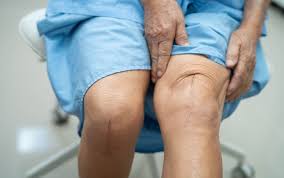
Robotic Knee Replacement in Gwalior
Robotic knee replacement in Gwalior is an advanced orthopedic procedure designed to treat severe knee joint damage with the assistance of robotic technology. Many people develop knee problems due to arthritis, cartilage wear, or previous injuries. When pain becomes severe and daily movement becomes difficult, robotic-assisted surgery may help restore joint function. Under the care of Dr. Abhishek Bhalotia, patients undergo detailed evaluation to determine whether robotic knee replacement is the appropriate treatment option.
Robotic technology allows surgeons to plan knee replacement surgery with exceptional accuracy. A computerized system creates a detailed model of the patient’s knee before surgery. This helps the surgeon understand the joint structure and plan the exact placement of the artificial implant. At Asian Institute of Advanced Surgeries (AIAS), robotic knee replacement in Gwalior focuses on precision, improved joint alignment, and better recovery outcomes for patients with severe knee damage.
Understanding Robotic Knee Replacement Surgery
Robotic knee replacement in Gwalior is a surgical procedure that replaces the damaged knee joint with an artificial implant using robotic-assisted technology. The knee joint acts as a hinge that allows smooth bending and straightening of the leg. When cartilage wears out due to arthritis or injury, bones may rub against each other, causing pain and stiffness.
Robotic systems assist the surgeon by creating a 3D model of the knee joint before surgery. This digital plan helps guide each step of the procedure. The robotic arm assists the surgeon in making accurate bone cuts and placing the implant precisely. Research shows robotic systems help improve surgical accuracy and implant alignment during knee replacement procedures.
Conditions That May Require Robotic Knee Replacement
Several medical conditions may lead patients to consider robotic knee replacement in Gwalior. Osteoarthritis is one of the most common causes of knee joint damage. This condition gradually wears down the protective cartilage within the knee joint.
Dr. Abhishek Bhalotia also evaluates patients with rheumatoid arthritis, severe knee injuries, or joint deformities. In many cases, patients initially try medications, physiotherapy, and lifestyle changes to control knee pain. However, when these treatments fail to improve mobility or relieve pain, robotic knee replacement surgery may become necessary.
Symptoms That Indicate Severe Knee Joint Damage
Many patients seek robotic knee replacement in Gwalior when knee pain begins to interfere with everyday activities. Persistent discomfort while walking, climbing stairs, or standing for long periods can indicate serious joint damage.
Dr. Abhishek Bhalotia evaluates symptoms such as knee stiffness, swelling, and reduced range of motion. Some patients also experience pain during rest or while sleeping. When knee pain limits normal activities and conservative treatments no longer provide relief, joint replacement surgery may be recommended.
How Robotic Technology Improves Knee Replacement
Robotic knee replacement in Gwalior uses advanced imaging and computer guidance to assist the surgeon during the procedure. The robotic system helps the surgeon follow a precise surgical plan created before the operation.
This technology allows highly accurate placement of the artificial knee implant. Even small alignment errors can affect joint function and implant durability. Robotic systems help minimize such errors by guiding the surgeon with detailed visual feedback. Studies show robotic surgery improves implant positioning and reduces surgical variability.
Benefits of Robotic Knee Replacement
Robotic knee replacement in Gwalior offers several advantages compared with conventional knee replacement surgery. One major benefit is improved surgical precision, which helps ensure proper implant alignment.
Patients may also experience less damage to surrounding tissues because robotic surgery allows more controlled movements. This can reduce pain and swelling after the procedure. Research indicates that robotic knee replacement may help preserve healthy bone and soft tissues while improving implant longevity.
Why Choose Dr. Abhishek Bhalotia for Robotic Knee Replacement
Choosing an experienced surgeon is important for successful robotic knee replacement in Gwalior. Proper surgical planning and precise implant placement contribute to better recovery and improved joint function.
Dr. Abhishek Bhalotia specializes in robotic-assisted orthopedic procedures and provides detailed evaluation before recommending surgery. At Asian Institute of Advanced Surgeries (AIAS), treatment plans are designed according to each patient’s joint condition and mobility goals. This patient-focused approach helps ensure safe and effective orthopedic care.
Recovery After Robotic Knee Replacement Surgery
Recovery is an important stage after robotic knee replacement in Gwalior. Most patients begin gentle movement and physiotherapy shortly after surgery. Early rehabilitation helps restore knee strength and flexibility.
Because robotic surgery often minimizes tissue damage, many patients experience quicker recovery compared with traditional procedures. Medical studies suggest robotic-assisted surgery can lead to less postoperative pain and faster return to daily activities.
Long-Term Knee Care After Surgery
Long-term care is essential for maintaining joint health after robotic knee replacement in Gwalior. Patients are encouraged to continue physiotherapy exercises to strengthen muscles around the knee joint.
Dr. Abhishek Bhalotia advises maintaining a healthy body weight and staying physically active to protect the replaced joint. Regular follow-up visits allow doctors to monitor implant function and overall joint health. With proper rehabilitation and medical care, many patients regain comfortable mobility and improved quality of life.
Frequently Asked Questions – Robotic Knee Replacement In Gwalior
1. What is robotic knee replacement surgery?
Robotic knee replacement uses computer-guided technology to assist surgeons in replacing the damaged knee joint.
2. Is robotic knee replacement better than traditional surgery?
Robotic surgery can improve implant accuracy and may support faster recovery.
3. Who is a candidate for robotic knee replacement?
Patients with severe knee arthritis or joint damage that does not improve with other treatments may benefit.
4. How long does recovery take after robotic knee replacement?
Most patients begin walking within a few days and continue recovery through physiotherapy.
5. Is robotic knee replacement surgery safe?
Yes, it is considered safe when performed by experienced orthopedic surgeons using proper surgical planning.
Book Appointment with Dr. Abhishek Bhalotia at AIAS – Robotic Knee Replacement In Gwalior
If you are experiencing joint pain, limited mobility, or considering advanced joint replacement options, scheduling a consultation with Dr. Abhishek Bhalotia, MS Ortho, Fellow Joint Replacement (Hyd, UK), Robotic Joint Replacement Surgeon, can help you explore the most precise and effective treatment solutions. Early evaluation ensures that your symptoms are addressed before they affect daily activities and long-term joint health.
Consultations are available at the Asian Institute of Advanced Surgeries (AIAS) in Nagpur, where Dr. Bhalotia provides a thorough orthopedic assessment, reviews your medical history, evaluates joint function, and discusses lifestyle and activity factors. This helps in creating a tailored plan for robotic-assisted or conventional joint replacement, depending on your needs.