
Hip Replacement Surgery in Gwalior
Hip replacement surgery in Gwalior is performed to relieve severe hip pain and restore normal joint movement when other treatments no longer provide relief. Many patients experience hip problems due to arthritis, joint degeneration, injuries, or age-related cartilage damage. These conditions can make everyday activities such as walking, climbing stairs, or sitting difficult. Under the care of Dr. Siddharth Jain, patients receive a detailed orthopedic evaluation to determine whether surgery is necessary.
Hip replacement surgery involves replacing the damaged hip joint with an artificial implant designed to restore mobility and reduce pain. The procedure replaces the worn-out joint surfaces with prosthetic components made of metal, ceramic, or plastic materials. This surgical approach helps improve joint function and allows patients to move comfortably again. At Asian Institute of Advanced Surgeries (AIAS), treatment focuses on accurate diagnosis, personalized surgical planning, and safe recovery for patients seeking hip replacement surgery in Gwalior.
Understanding Hip Replacement Surgery
Hip replacement surgery in Gwalior is a procedure that replaces the damaged hip joint with an artificial implant. The hip joint works like a ball and socket, allowing smooth movement between the thigh bone and the pelvis. When the cartilage protecting this joint wears out, pain and stiffness can develop.
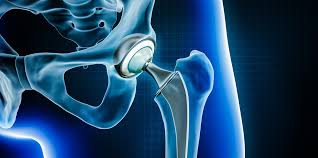
During surgery, the orthopedic surgeon removes the damaged parts of the joint and replaces them with prosthetic components. These implants recreate the normal function of the hip joint and help reduce pain. According to medical sources, hip replacement surgery replaces the top of the femur and the socket of the hip joint with artificial components to restore mobility and reduce discomfort.
Conditions That May Require Hip Replacement
Several medical conditions may lead patients to consider hip replacement surgery in Gwalior. Osteoarthritis is the most common cause and occurs when the cartilage cushioning the joint gradually wears away. This degeneration leads to pain, stiffness, and reduced joint flexibility.
Dr. Siddharth Jain also treats patients with hip fractures, rheumatoid arthritis, or joint damage caused by previous injuries. In many cases, patients try medications, physiotherapy, or lifestyle modifications first. Surgery may be recommended when these treatments no longer relieve symptoms or when joint damage significantly limits mobility.
Symptoms That Indicate the Need for Surgery
Patients often seek hip replacement surgery in Gwalior when hip pain begins to interfere with daily life. Persistent pain during walking, standing, or resting can indicate advanced joint damage. Many patients also experience stiffness that limits their ability to bend or rotate the hip.
Dr. Siddharth Jain evaluates symptoms such as difficulty climbing stairs, reduced range of motion, or pain that disrupts sleep. If the joint becomes severely damaged, patients may struggle with basic movements like sitting or standing. Identifying these symptoms early helps determine whether surgical treatment is necessary.
Diagnosis and Pre-Surgical Evaluation
A proper evaluation is essential before planning hip replacement surgery in Gwalior. Orthopedic specialists begin with a detailed medical history and physical examination to assess hip movement and joint stability. This assessment helps identify the severity of joint damage.
Dr. Siddharth Jain may recommend imaging tests such as X-rays or MRI scans to evaluate cartilage wear and bone alignment. These diagnostic tools help determine whether the joint requires replacement or if other treatments can still provide relief. Accurate diagnosis ensures that surgery is recommended only when necessary.
The Hip Replacement Surgical Procedure
Hip replacement surgery in Gwalior typically takes one to two hours depending on the complexity of the case. During the procedure, the surgeon removes damaged bone and cartilage from the hip joint and replaces them with artificial components. These implants help recreate smooth joint movement.
The prosthetic joint usually consists of a metal stem inserted into the thigh bone, a ball component, and a socket placed in the pelvic bone. These parts work together to restore joint stability and function. Medical sources explain that the goal of hip replacement surgery is to relieve pain and improve mobility by replacing the damaged joint surfaces.
Benefits of Hip Replacement Surgery
Many patients experience significant improvement after hip replacement surgery in Gwalior. The procedure helps reduce chronic pain and restore joint function. Patients often regain the ability to walk, climb stairs, and perform daily activities without discomfort.
According to medical research, hip replacement surgery is considered one of the most successful orthopedic procedures, with many patients experiencing dramatic reduction in pain and stiffness after recovery. Improved mobility also allows patients to return to low-impact activities such as walking, swimming, or cycling.
Why Choose Dr. Siddharth Jain for Hip Replacement Surgery
Choosing an experienced orthopedic surgeon plays a key role in successful hip replacement surgery in Gwalior. Proper surgical planning and careful postoperative care contribute to better recovery outcomes.
Dr. Siddharth Jain provides comprehensive orthopedic treatment for patients with severe hip joint problems. At Asian Institute of Advanced Surgeries (AIAS), patients receive individualized treatment plans designed to address their specific joint condition. This patient-centered approach helps improve surgical outcomes and supports long-term joint health.
Rehabilitation and Recovery After Hip Replacement
Recovery is an important part of hip replacement surgery in Gwalior. After surgery, patients begin gentle movement and physiotherapy to restore joint strength and flexibility. Physical therapy helps strengthen the surrounding muscles and improves walking ability.
Medical experts note that recovery usually takes several weeks, and most patients gradually return to normal activities with proper rehabilitation. Dr. Siddharth Jain guides patients through a structured rehabilitation program to ensure safe healing and improved joint function. With consistent physiotherapy and medical follow-up, many patients regain comfortable movement and long-term pain relief.
Frequently Asked Questions
1. What is hip replacement surgery?
Hip replacement surgery replaces the damaged hip joint with an artificial implant to restore mobility.
2. When is hip replacement recommended?
Doctors recommend it when severe hip pain and joint damage limit daily activities.
3. How long does recovery take after hip replacement surgery?
Most patients recover gradually over several weeks with physiotherapy.
4. Is hip replacement surgery safe?
It is considered a highly successful procedure when performed by experienced orthopedic surgeons.
5. Can patients walk normally after hip replacement surgery?
Yes, most patients regain comfortable walking and improved joint movement after recovery.
Book Appointment with Dr. Siddharth Jain at AIAS
If you are experiencing joint discomfort, restricted movement, or any musculoskeletal concerns, scheduling a consultation with Dr. Siddharth Jain can help you better understand your condition and explore appropriate care options. Early evaluation often helps patients address symptoms before they begin to interfere with everyday activities and mobility.
Consultations are available at Asian Institute of Advanced Surgeries (AIAS) in Nagpur, where patients receive a structured orthopaedic assessment focused on identifying factors affecting bone, joint, and movement health. During the visit, individuals can discuss their symptoms, medical history, lifestyle habits, and physical activity levels.