
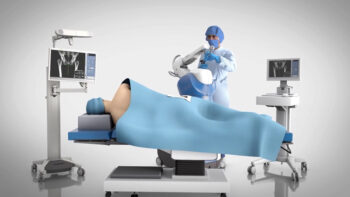
Robotic Hip Replacement in Wardha
Severe hip joint damage can affect walking, sitting, and daily mobility. Many patients consider robotic hip replacement in Wardha when persistent hip pain begins to limit their normal activities. Robotic-assisted surgery is an advanced orthopedic technique that helps surgeons perform hip replacement procedures with greater precision. This technology supports accurate implant placement and improved joint alignment during surgery.
Patients suffering from advanced arthritis, joint degeneration, or traumatic injuries may benefit from this modern procedure. Before recommending surgery, an orthopedic specialist carefully evaluates the hip joint through clinical examination and imaging tests. Based on these findings, the doctor may suggest robotic hip replacement in wardha if the joint damage is severe. With detailed surgical planning and modern technology, many patients experience improved hip movement and better long-term joint stability after the procedure.
Understanding Robotic Hip Replacement in wardha
Robotic hip replacement is an advanced surgical method that assists orthopedic surgeons during hip joint replacement procedures. The robotic system does not perform surgery independently. Instead, it provides detailed guidance and measurements that help the surgeon place the implant accurately. This technology improves surgical precision and supports better joint alignment during the operation.
Before surgery, specialized imaging helps create a digital model of the patient’s hip joint. This model allows the orthopedic specialist to analyze the joint structure and plan the procedure carefully. During the operation, the robotic system guides the surgeon while removing damaged bone and positioning the artificial joint. As a result, robotic hip replacement in Wardha helps improve implant positioning and overall joint stability.
Conditions That May Require Robotic Hip Replacement
Several orthopedic conditions can damage the hip joint and lead to severe pain. Osteoarthritis is one of the most common causes of hip joint degeneration. In this condition, cartilage gradually wears away, causing friction between bones and resulting in stiffness and discomfort. As the disease progresses, walking and normal movement become difficult.
Other medical conditions may also affect the hip joint. Rheumatoid arthritis can lead to inflammation and joint damage over time. Hip fractures or traumatic injuries may also disrupt joint structure and alignment. When these conditions reach an advanced stage and non-surgical treatments no longer provide relief, doctors may recommend robotic hip replacement in wardha to restore joint function and reduce long-term pain.
Symptoms That May Indicate the Need for Robotic Hip Replacement
Persistent hip pain is one of the most common symptoms of advanced hip joint damage. Many patients feel discomfort while walking, standing, or climbing stairs. Some individuals also experience stiffness in the hip joint, especially after long periods of sitting or resting. These symptoms often worsen gradually and begin to affect daily activities.
Patients may also notice reduced range of motion in the hip. Simple movements like bending or rotating the leg may become difficult. In severe cases, hip pain may continue even during rest or sleep. When these symptoms persist despite medications or physiotherapy, consulting an orthopedic doctor becomes essential. After proper evaluation, the specialist may recommend robotic hip replacement in Wardha as an effective treatment option.
Diagnosis and Evaluation by an Orthopedic Specialist
Accurate diagnosis is essential before planning hip replacement surgery. The orthopedic specialist begins with a detailed examination of the hip joint. The doctor evaluates joint movement, flexibility, and muscle strength around the hip area. Patient history also helps determine how long the symptoms have been present and whether previous treatments have been effective.
Imaging tests provide a clearer understanding of the joint condition. X-rays help identify cartilage loss, bone damage, and joint deformities. In some cases, MRI scans may be recommended to evaluate surrounding soft tissues. These tests help the musculoskeletal specialist assess the severity of hip joint damage. After reviewing the findings, the doctor decides whether robotic hip replacement surgery is the most suitable treatment.
Benefits of Robotic Hip Replacement Technology
Robotic technology offers several advantages during hip replacement procedures. One important benefit is improved surgical accuracy. The robotic system allows surgeons to plan the procedure according to the patient’s unique hip structure. This personalized planning helps ensure proper implant placement and alignment.
Another advantage involves controlled bone preparation during surgery. Robotic assistance helps the surgeon remove only the damaged bone while preserving healthy tissue. This approach may support better joint stability and improved movement after surgery. Many patients also experience improved comfort and long-term joint performance when robotic technology assists the procedure.
Advanced Surgical Techniques in Robotic Hip Replacement
Modern orthopedic surgery combines robotic assistance with advanced surgical planning. Surgeons use digital models of the hip joint to determine the exact implant size and position before surgery begins. This planning process helps reduce surgical errors and ensures accurate implant alignment during the operation.
During the procedure, the robotic system provides continuous guidance to the surgeon. The surgeon carefully prepares the hip joint and positions the artificial implant according to the planned measurements. This precision helps ensure that the artificial joint fits properly and functions smoothly. Such advanced techniques support better mobility and long-term durability of the hip implant.
Why Choose Dr. Abhishek Bhalotia for Robotic Hip Replacement ?
Selecting an experienced orthopedic surgeon is an important part of successful treatment. Dr. Abhishek Bhalotia focuses on diagnosing hip joint problems accurately and recommending suitable treatment plans for each patient. His approach emphasizes careful evaluation and personalized surgical planning for joint replacement procedures.
At Asian Institute of Advanced Surgeries (AIAS), patients receive comprehensive orthopedic care supported by modern diagnostic and surgical technologies. The facility provides advanced joint replacement procedures along with structured rehabilitation programs. With proper medical guidance and rehabilitation support, many patients regain comfortable hip movement and improved mobility after surgery.
Rehabilitation and Recovery After Robotic Hip Replacement
Recovery after hip replacement surgery involves gradual rehabilitation and physiotherapy. Early recovery focuses on gentle movements that help improve blood circulation and reduce stiffness around the hip joint. Patients usually begin walking with assistance shortly after surgery under medical supervision.
As healing progresses, physiotherapists introduce strengthening exercises to improve muscle stability around the hip. These exercises help restore balance and joint flexibility. Patients also learn safe techniques for sitting, standing, and climbing stairs. Following a structured rehabilitation plan supports better long-term outcomes. With consistent recovery care, many individuals regain comfortable mobility and return to their normal daily activities.
Frequently Asked Questions – Robotic Hip Replacement in Wardha
1. What is robotic hip replacement surgery?
Robotic hip replacement surgery is an advanced procedure that uses robotic technology to assist surgeons in replacing a damaged hip joint. The robotic system helps improve accuracy and implant positioning during surgery.
2. Who may need robotic hip replacement surgery?
Patients suffering from severe hip arthritis, hip joint damage, or chronic hip pain that does not improve with medication or physiotherapy may require robotic hip replacement surgery.
3. What are the benefits of robotic hip replacement?
Robotic-assisted surgery offers improved precision, better implant placement, smaller incisions, less tissue damage, and potentially faster recovery compared to traditional hip replacement surgery.
4. Is robotic hip replacement surgery safe?
Yes, robotic hip replacement is considered safe when performed by a trained and experienced orthopedic surgeon using modern surgical technology.
5. How long does robotic hip replacement surgery take?
The procedure usually takes about 1 to 2 hours, depending on the patient’s condition and the complexity of the surgery.
6. How long does it take to recover after hip replacement surgery?
Recovery time varies for each patient. Many patients begin walking with assistance within a few days, while full recovery may take several weeks with proper physiotherapy.
Book Appointment with Dr. Abhishek Bhalotia at AIAS
If you are experiencing joint pain, limited mobility, or considering advanced joint replacement options, scheduling a consultation with Dr. Abhishek Bhalotia, MS Ortho, Fellow Joint Replacement (Hyd, UK), Robotic Joint Replacement Surgeon, can help you explore the most precise and effective treatment solutions. Early evaluation ensures that your symptoms are addressed before they affect daily activities and long-term joint health.
Consultations are available at the Asian Institute of Advanced Surgeries (AIAS) in Nagpur, where Dr. Bhalotia provides a thorough orthopedic assessment, reviews your medical history, evaluates joint function, and discusses lifestyle and activity factors. This helps in creating a tailored plan for robotic-assisted or conventional joint replacement, depending on your needs.