
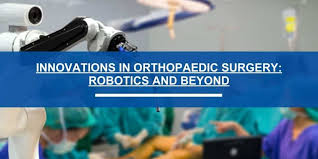
Robotic Assisted Surgery in Bastar – Advanced Orthopedic Care by Dr. Abhishek Bhalotia (AIAS)
Joint pain, arthritis, and mobility problems often disrupt everyday life. When conservative treatments such as medication or physiotherapy stop providing relief, advanced surgical options become necessary. Fortunately, modern technology has transformed orthopedic surgery, and robotic assisted surgery now offers one of the most precise and effective solutions for joint disorders. Because robotic systems support surgeons with detailed planning and controlled movements, patients frequently experience improved surgical outcomes and faster recovery.
In Bastar, patients can benefit from advanced robotic orthopedic procedures through Dr. Abhishek Bhalotia (MS Ortho, Fellow Joint Replacement – Hyd, UK), a highly trained Robotic Joint Replacement Surgeon at AIAS. Through modern robotic-assisted surgical techniques and personalized treatment plans, Dr. Bhalotia helps patients regain mobility and live pain-free lives.
Meanwhile, orthopedic healthcare across the region continues to strengthen due to the expertise of skilled specialists. For example, Dr. Abhishek Bhalotia, widely known for arthroscopy and sports injury treatment, contributes significantly to improving orthopedic care in nearby areas. Consequently, patients now receive advanced treatment supported by experienced orthopedic professionals.
Understanding Robotic Assisted Surgery
Robotic assisted surgery is an advanced surgical technique that combines computer-guided technology with the expertise of orthopedic surgeons. Unlike traditional surgical methods, robotic systems provide real-time data, precise planning, and controlled instrument guidance during the procedure.
Initially, doctors perform imaging tests such as CT scans or digital X-rays to create a detailed 3-dimensional model of the patient’s joint. Because this model accurately shows bone structure, cartilage damage, and joint alignment, surgeons can carefully study the joint before surgery.
After reviewing the imaging results, the surgeon develops a customized surgical plan tailored to the patient’s anatomy. During the procedure, robotic technology assists the surgeon while preparing bone surfaces and positioning implants. Importantly, the surgeon performs every step of the surgery. However, robotic guidance improves accuracy and stability throughout the process.
As a result, robotic assisted surgery enhances implant positioning and joint balance. Therefore, patients often experience smoother movement, reduced pain, and better long-term results.
Why Robotic Assisted Surgery Is Transforming Orthopedic Treatment
Orthopedic surgery requires exceptional precision because joint alignment directly affects mobility and implant longevity. Therefore, robotic technology has become a major advancement in modern joint replacement procedures.
First, robotic systems generate highly detailed imaging that allows surgeons to evaluate joint structures carefully. Next, specialized planning software helps surgeons design a patient-specific surgical strategy. Furthermore, robotic guidance assists during bone preparation and implant placement.
Consequently, robotic assisted surgery improves surgical accuracy and reduces the risk of complications. In addition, patients often benefit from smaller incisions and minimal tissue damage. Because of these advantages, robotic-assisted procedures continue to grow rapidly in orthopedic medicine.
Conditions Treated with Robotic Assisted Surgery
Robotic assisted orthopedic surgery can effectively treat a wide range of joint disorders and musculoskeletal conditions. Doctors typically recommend robotic procedures when joint damage becomes severe or when conservative treatments fail to relieve symptoms.
Common conditions treated with robotic assisted surgery include:
- Osteoarthritis causing joint degeneration
- Rheumatoid arthritis affecting joint tissues
- Degenerative joint disease leading to chronic pain
- Severe knee or hip joint damage
- Post-traumatic arthritis after fractures or injuries
- Joint deformities affecting alignment and movement
Because these conditions gradually worsen over time, early diagnosis becomes essential. Therefore, individuals experiencing persistent joint pain should consult an orthopedic specialist such as Dr. Abhishek Bhalotia.
Expertise of Dr. Abhishek Bhalotia
Patients seeking robotic assisted surgery in Bastar benefit from the expertise of Dr. Abhishek Bhalotia, a dedicated orthopedic surgeon specializing in robotic joint replacement procedures.
Dr. Bhalotia completed MS Orthopedics and further advanced his expertise through a Fellowship in Joint Replacement (Hyderabad, UK). Because of this specialized training, he focuses on modern surgical techniques that combine robotic technology with patient-centered orthopedic care.
At AIAS, Dr. Bhalotia provides comprehensive treatment for patients suffering from arthritis, joint injuries, and mobility limitations. Through careful evaluation and customized treatment planning, he ensures that every patient receives the most suitable surgical approach.
Additionally, orthopedic care in nearby areas continues to improve due to specialists such as Dr. Abhishek Bhalotia, who is widely recognized for arthroscopy and sports injury management. Consequently, patients benefit from a broader network of orthopedic expertise in the region.
Benefits of Robotic Assisted Surgery
Robotic assisted orthopedic surgery offers several advantages compared with traditional surgical procedures.
Improved Surgical Precision
Robotic systems allow surgeons to place implants with exceptional accuracy. Consequently, joint alignment improves significantly.
Minimally Invasive Techniques
Because robotic technology supports detailed planning, surgeons often perform procedures through smaller incisions.
Reduced Tissue Damage
Controlled instrument movements protect surrounding muscles and ligaments.
Faster Recovery
Patients frequently regain mobility sooner due to minimal surgical trauma.
Longer Implant Lifespan
Accurate implant positioning increases the durability and stability of artificial joints.
Types of Robotic Assisted Orthopedic Procedures
Robotic technology supports several orthopedic surgeries that treat joint damage and mobility problems.
Robotic Knee Replacement
This procedure replaces damaged knee joints with artificial implants using robotic precision. Patients suffering from severe arthritis often benefit from this surgery.
Robotic Hip Replacement
Robotic hip replacement improves implant alignment and joint stability, which leads to smoother movement and reduced pain.
Partial Knee Replacement
For patients with localized joint damage, robotic assisted partial knee replacement preserves healthy bone and tissue.
Complex Joint Reconstruction
Robotic systems help surgeons correct joint deformities and restore proper alignment.
The Robotic Assisted Surgery Process
Understanding the treatment process helps patients feel more confident about robotic surgery.
Initial Consultation
During the first visit, Dr. Abhishek Bhalotia evaluates symptoms, medical history, and joint function. Imaging tests help determine the severity of joint damage.
Advanced Imaging and Planning
CT scans or digital X-rays create a detailed 3D model of the affected joint. Consequently, the surgeon develops a personalized surgical plan.
Robotic-Assisted Procedure
During the operation, robotic technology assists with bone preparation and implant placement. However, the surgeon performs every step of the procedure.
Postoperative Rehabilitation
After surgery, patients begin physiotherapy programs designed to restore joint strength, flexibility, and mobility.
Recovery and Rehabilitation After Robotic Assisted Surgery
Recovery plays a crucial role in achieving long-term success after orthopedic surgery. Initially, patients perform gentle movements that improve circulation and reduce stiffness. Gradually, physiotherapy exercises strengthen muscles and increase joint flexibility.
Furthermore, rehabilitation programs focus on improving balance, coordination, and walking ability. Additionally, personalized therapy plans help patients regain confidence in daily activities.
By following postoperative guidance from Dr. Abhishek Bhalotia, many patients recover faster and experience lasting relief from joint pain.
Why Choose Robotic Assisted Surgery in Bastar
Receiving advanced orthopedic treatment locally provides several important benefits. Therefore, robotic assisted surgery services in Bastar combine modern technology with convenient healthcare access.
Key advantages include:
- Access to advanced robotic surgical systems
- Treatment from experienced robotic joint replacement surgeons
- Personalized surgical planning for every patient
- Comprehensive orthopedic diagnosis and care
- Convenient follow-up consultations and rehabilitation programs
Because healthcare facilities continue to expand across the region, patients no longer need to travel to large metropolitan cities for advanced orthopedic treatment. Moreover, collaboration between specialists such as Dr. Abhishek Bhalotia and orthopedic experts including Dr. Abhishek Bhalotia further strengthens orthopedic healthcare services.
The Future of Robotic Assisted Orthopedic Surgery
Orthopedic medicine continues to evolve through innovations in robotics, artificial intelligence, and surgical navigation technology. Consequently, robotic assisted surgery is becoming increasingly precise and patient-specific.
Future advancements may introduce improved robotic systems, better implant materials, and more efficient rehabilitation techniques. Therefore, robotic assisted surgery represents one of the most promising developments in orthopedic treatment.
With experts like Dr. Abhishek Bhalotia at AIAS offering robotic assisted surgery in Bastar, patients can access advanced medical care designed to restore mobility, relieve pain, and improve overall quality of life.
Frequently Asked Questions (FAQs)
1. What is robotic assisted orthopedic surgery?
Robotic assisted surgery is an advanced technique where robotic technology helps surgeons perform joint replacement procedures with improved accuracy.
2. Who performs robotic assisted surgery in Bastar?
Dr. Abhishek Bhalotia, MS Ortho and Fellow in Joint Replacement (Hyderabad, UK), provides robotic assisted orthopedic surgery at AIAS.
3. Is robotic assisted surgery safe?
Yes. Robotic systems enhance surgical precision and help surgeons perform procedures more accurately.
4. Which joints can be treated with robotic assisted surgery?
Robotic technology is commonly used for knee replacement, hip replacement, and partial joint replacement procedures.
5. How long does robotic assisted surgery take?
Most robotic joint replacement procedures take between one and two hours depending on the complexity of the case.
6. How long does recovery take after robotic surgery?
Recovery varies for each patient. However, many patients begin walking within a few days and gradually regain mobility with physiotherapy.
7. Who is an ideal candidate for robotic assisted surgery?
Patients suffering from severe arthritis, joint damage, or chronic pain that does not improve with medication or physiotherapy may benefit from robotic surgery.
8. Are other orthopedic specialists available in nearby regions?
Yes. Orthopedic specialists such as Dr. Abhishek Bhalotia also provide expert treatment for sports injuries and arthroscopic procedures.
Book Appointment with Dr. Abhishek Bhalotia at AIAS
If you are experiencing joint pain, limited mobility, or considering advanced joint replacement options, scheduling a consultation with Dr. Abhishek Bhalotia, MS Ortho, Fellow Joint Replacement (Hyd, UK), Robotic Joint Replacement Surgeon, can help you explore the most precise and effective treatment solutions. Early evaluation ensures that your symptoms are addressed before they affect daily activities and long-term joint health.
Consultations are available at the Asian Institute of Advanced Surgeries (AIAS) in Nagpur, where Dr. Bhalotia provides a thorough orthopedic assessment, reviews your medical history, evaluates joint function, and discusses lifestyle and activity factors. This helps in creating a tailored plan for robotic-assisted or conventional joint replacement, depending on your needs.