
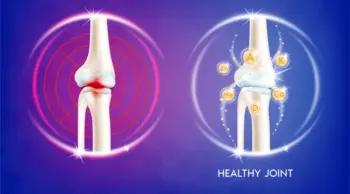
Enhanced Joint Function Outcomes in Nagpur – Advanced Orthopedic Care by Dr. Abhishek Bhalotia at AIAS
Enhanced joint function outcomes in Nagpur are helping patients regain smoother movement, better flexibility, reduced pain, and improved quality of life through advanced orthopedic treatment offered by Dr. Abhishek Bhalotia at AIAS. Many individuals suffer from knee arthritis, hip arthritis, chronic joint pain, sports injuries, stiffness, and reduced mobility that affect daily activities and overall comfort. However, modern orthopedic care now focuses not only on pain relief but also on improving long-term joint function, movement quality, and recovery outcomes.
Dr. Abhishek Bhalotia, MS Ortho, Fellow Joint Replacement (Hyd, UK), Robotic Joint Replacement Surgeon at AIAS, provides advanced robotic joint replacement surgery and personalized orthopedic care designed to improve joint balance, restore movement, and support faster healing. Because of robotic-assisted surgery, minimally invasive techniques, and guided rehabilitation programs, many patients now experience enhanced joint function outcomes in Nagpur after orthopedic treatment.
Understanding Enhanced Joint Function Outcomes in Nagpur
Enhanced joint function outcomes in Nagpur refer to improved joint movement, flexibility, balance, strength, and comfort after orthopedic treatment or surgery.
Healthy joints are essential for walking, climbing stairs, bending, exercising, and performing daily tasks comfortably. However, conditions such as arthritis, joint degeneration, fractures, ligament injuries, and sports injuries can slowly damage joint function over time.
Earlier orthopedic treatments mainly focused on reducing pain. However, modern orthopedic care now focuses strongly on restoring natural movement and improving long-term joint performance. Consequently, patients can regain active lifestyles and better mobility after treatment.
Enhanced joint function outcomes in Nagpur are now possible because of robotic-assisted surgery, accurate implant placement, advanced rehabilitation programs, and minimally invasive orthopedic procedures.
Why Enhanced Joint Function Outcomes in Nagpur Matter
Enhanced joint function outcomes in Nagpur are important because joint health directly affects overall quality of life. Poor joint function may cause pain, stiffness, weakness, poor balance, and difficulty performing routine activities.
Many patients struggle with walking, standing, sitting, or climbing stairs because of joint damage and arthritis. Consequently, they may become less active and experience reduced confidence over time.
Fortunately, modern orthopedic treatment now focuses on restoring smooth movement and improving long-term mobility. Better joint function helps patients move more comfortably, remain active, and maintain independence.
Enhanced joint function outcomes in Nagpur also support better muscle strength, improved balance, and healthier movement patterns after surgery or injury treatment.
Enhanced Joint Function Outcomes in Nagpur by Dr. Abhishek Bhalotia
Dr. Abhishek Bhalotia is widely trusted for providing enhanced joint function outcomes in Nagpur through advanced robotic-assisted orthopedic treatment and personalized patient care.
Dr. Abhishek Bhalotia, MS Ortho, Fellow Joint Replacement (Hyd, UK), Robotic Joint Replacement Surgeon at AIAS, specializes in robotic knee replacement surgery, robotic hip replacement surgery, arthritis treatment, sports injury management, and minimally invasive orthopedic procedures.
He carefully studies each patient’s condition, movement pattern, lifestyle, and mobility goals before planning treatment. Consequently, patients receive customized care designed to improve recovery and long-term joint performance.
His focus on surgical precision, patient comfort, and rehabilitation support helps improve joint balance, flexibility, and movement after treatment. Therefore, many patients experience smoother recovery and better mobility outcomes.
Enhanced Joint Function Outcomes in Nagpur with Robotic Joint Replacement
Robotic-assisted surgery plays a major role in improving enhanced joint function outcomes in Nagpur because robotic systems improve surgical precision and implant placement.
Before surgery begins, robotic technology creates detailed images and surgical plans according to the patient’s joint structure. During surgery, the robotic system guides implant positioning with greater accuracy.
Because implants are placed more precisely, joint balance and movement improve significantly after surgery. In addition, nearby muscles, tissues, and ligaments experience less stress and damage.
Consequently, patients often experience smoother movement, better flexibility, and reduced discomfort during recovery. Robotic-assisted surgery also supports improved long-term joint function and implant performance.
Enhanced Joint Function Outcomes in Nagpur for Knee Replacement Surgery
Knee arthritis is one of the most common causes of joint pain and poor mobility. Severe arthritis can lead to swelling, stiffness, weakness, and difficulty walking.
Enhanced joint function outcomes in Nagpur have improved knee replacement surgery results because robotic-assisted systems improve implant alignment and joint balance.
Robotic knee replacement surgery helps restore smoother knee movement and better stability after surgery. In addition, minimally invasive methods reduce stress on muscles and tissues around the knee joint.
Guided rehabilitation programs further improve flexibility, strength, and movement during recovery. Consequently, many patients regain walking comfort and return to active lifestyles more confidently.
Enhanced Joint Function Outcomes in Nagpur for Hip Replacement Surgery
Hip arthritis and severe joint damage can greatly affect balance, flexibility, and walking comfort. Patients often experience stiffness, chronic pain, and reduced movement during daily activities.
Modern robotic-assisted hip replacement surgery supports enhanced joint function outcomes in Nagpur by improving implant positioning and joint alignment.
Robotic systems help surgeons place implants according to the patient’s body structure and natural movement pattern. Consequently, patients often experience smoother walking and better hip function after treatment.
Smaller-cut surgery methods also reduce tissue damage and support quicker recovery. Therefore, patients usually regain movement and confidence more comfortably after surgery.
Enhanced Joint Function Outcomes in Nagpur for Sports Injuries
Sports injuries can affect athletes and active individuals of all age groups. Common injuries include ligament tears, tendon injuries, meniscus damage, shoulder injuries, and joint instability.
If sports injuries are not treated properly, they may lead to long-term stiffness, weakness, and poor joint function. Therefore, early treatment is very important for achieving enhanced joint function outcomes in Nagpur.
Modern arthroscopic surgery allows orthopedic specialists to treat injuries using small instruments and tiny cameras. Because smaller cuts are used, patients usually experience less pain and faster healing.
Rehabilitation programs are equally important because they improve flexibility, balance, muscle strength, and movement control after injury treatment.
Enhanced Joint Function Outcomes in Nagpur Through Faster Recovery Programs
Faster recovery programs are an important part of enhanced joint function outcomes in Nagpur because early movement supports better healing and mobility.
Earlier, patients often remained inactive for long periods after orthopedic surgery. However, modern orthopedic care now encourages early walking and guided exercises after treatment.
Early movement improves blood circulation, reduces stiffness, and helps maintain muscle strength. Moreover, patients often regain confidence more quickly during recovery.
Advanced pain management methods and minimally invasive procedures also support smoother recovery and easier movement after surgery.
Consequently, many patients can return to daily activities sooner and experience improved long-term joint function.
Enhanced Joint Function Outcomes in Nagpur with Minimally Invasive Surgery
Minimally invasive orthopedic surgery has greatly improved enhanced joint function outcomes in Nagpur because smaller cuts reduce stress on muscles and tissues during treatment.
Traditional surgeries often caused more pain and longer recovery because large cuts affected surrounding tissues. However, modern minimally invasive methods use smaller cuts and specialized surgical tools.
Smaller cuts reduce blood loss, lower infection risk, and support quicker healing. In addition, patients often experience less discomfort and shorter hospital stays.
Because healing becomes smoother, rehabilitation can begin earlier and movement improves more effectively after surgery.
Enhanced Joint Function Outcomes in Nagpur with Rehabilitation Support
Rehabilitation is an essential part of improving joint function because surgery alone cannot fully restore movement and strength.
Patients recovering from joint replacement surgery, fractures, ligament injuries, or sports injuries benefit greatly from guided physiotherapy and exercise programs.
At AIAS, rehabilitation plans are customized according to each patient’s condition, recovery speed, and mobility goals. Consequently, patients receive personalized support focused on flexibility, balance, posture, and strength.
Proper rehabilitation also helps reduce stiffness and improve long-term joint performance after treatment.
Enhanced Joint Function Outcomes in Nagpur for Older Adults
Older adults commonly suffer from arthritis, weak joints, fractures, and reduced mobility. Many elderly patients worry about surgery and slow recovery. Fortunately, modern orthopedic care now supports safer treatment and improved recovery for senior patients.
Enhanced joint function outcomes in Nagpur help elderly patients regain movement, reduce pain, and improve daily comfort after surgery.
Robotic-assisted procedures improve surgical precision while reducing stress on nearby tissues and muscles. Consequently, elderly patients often experience smoother recovery and earlier movement after treatment.
Dr. Abhishek Bhalotia carefully studies each patient’s overall health before planning surgery. Therefore, elderly individuals receive safe and personalized orthopedic care focused on comfort and mobility.
Healthy Habits That Support Better Joint Function
Healthy lifestyle habits are important for maintaining joint health and improving long-term orthopedic results after surgery.
Maintaining a healthy body weight reduces pressure on joints and supports smoother movement. Regular exercise also improves flexibility and strengthens muscles around the joints.
Healthy foods rich in calcium, vitamin D, and protein help support bone health and healing after surgery. In addition, avoiding smoking improves blood circulation and recovery.
Good posture and regular follow-up visits also help maintain healthy joint function and mobility over time.
Signs You Should Consult an Orthopedic Specialist
Many people ignore joint pain and stiffness until movement becomes severely affected. However, early orthopedic treatment can improve recovery and prevent complications.
You should consult an orthopedic specialist if you experience:
- Knee pain
- Hip pain
- Joint stiffness
- Difficulty walking
- Reduced movement
- Swelling
- Sports injuries
- Joint weakness
- Chronic arthritis pain
Timely treatment often improves healing and supports better long-term joint function.
Conclusion
Enhanced joint function outcomes in Nagpur are improving orthopedic care through robotic-assisted surgery, minimally invasive procedures, advanced rehabilitation programs, and personalized patient treatment. Modern orthopedic solutions now focus not only on reducing pain but also on restoring movement, improving flexibility, and supporting long-term joint health.
Dr. Abhishek Bhalotia, MS Ortho, Fellow Joint Replacement (Hyd, UK), Robotic Joint Replacement Surgeon at AIAS, provides advanced orthopedic care focused on improving joint balance, restoring mobility, and helping patients return to active lifestyles with confidence. His expertise in robotic-assisted surgery and patient-centered treatment helps individuals achieve smoother recovery and better long-term orthopedic outcomes.
Therefore, patients suffering from arthritis, chronic joint pain, stiffness, sports injuries, or mobility problems should seek early orthopedic consultation because timely treatment can improve healing, restore movement, and support healthier joint function.
Frequently Asked Questions (FAQs)
What are enhanced joint function outcomes?
Enhanced joint function outcomes refer to improved movement, flexibility, strength, balance, and comfort after orthopedic treatment or surgery.
How does robotic surgery improve joint function?
Robotic-assisted surgery improves implant positioning and joint alignment. Consequently, patients often experience smoother movement and better balance after surgery.
Is robotic joint replacement better than traditional surgery?
Robotic-assisted surgery often improves precision, reduces tissue damage, and supports faster recovery compared to traditional methods.
How long does recovery take after robotic joint replacement surgery?
Recovery time varies depending on the patient’s condition and overall health. However, many patients experience earlier movement and faster healing with robotic-assisted procedures.
Why is rehabilitation important after orthopedic surgery?
Rehabilitation improves flexibility, muscle strength, balance, and movement after surgery. It also helps reduce stiffness and supports long-term joint health.
Can elderly patients benefit from robotic joint replacement surgery?
Yes. Many elderly patients experience safer recovery and improved mobility because robotic surgery reduces stress on muscles and tissues.
What are the benefits of minimally invasive orthopedic surgery?
Minimally invasive surgery uses smaller cuts, which reduce pain, blood loss, infection risk, and recovery time after surgery.
Can sports injuries affect joint function permanently?
Yes. Untreated sports injuries may lead to stiffness, weakness, and poor movement. Early treatment helps improve recovery and long-term joint function.
How can I maintain healthy joints after surgery?
Maintaining a healthy weight, exercising regularly, eating nutritious foods, and following rehabilitation programs help support long-term joint health.
Why choose Dr. Abhishek Bhalotia at AIAS?
Dr. Abhishek Bhalotia provides advanced robotic orthopedic care focused on enhanced joint function outcomes, faster recovery, improved mobility, and personalized patient treatment.
Book Appointment with Dr. Abhishek Bhalotia at AIAS
If you are experiencing joint pain, limited mobility, or considering advanced joint replacement options, scheduling a consultation with Dr. Abhishek Bhalotia, MS Ortho, Fellow Joint Replacement (Hyd, UK), Robotic Joint Replacement Surgeon, can help you explore the most precise and effective treatment solutions. Early evaluation ensures that your symptoms are addressed before they affect daily activities and long-term joint health.
Consultations are available at the Asian Institute of Advanced Surgeries (AIAS) in Nagpur, where Dr. Bhalotia provides a thorough orthopedic assessment, reviews your medical history, evaluates joint function, and discusses lifestyle and activity factors. This helps in creating a tailored plan for robotic-assisted or conventional joint replacement, depending on your needs.