
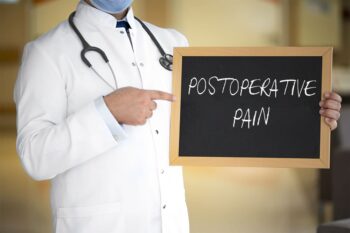
Post-Operative Pain Treatment in Nagpur | Dr. Abhishek Bhalotia at AIAS
The Post-operative pain treatment in Nagpur helps patients heal safely after surgery, reduce discomfort, and return to normal life with better comfort and confidence. Since pain after surgery may affect walking, sleeping, sitting, standing, and body movement, proper pain care becomes important for smooth healing and long-term mobility. Therefore, early pain control and guided recovery support often help patients recover faster and move more comfortably.
At Asian Institute Of Advanced Surgeries (AIAS), Dr. Abhishek Bhalotia provides post-operative pain treatment in Nagpur for patients recovering after joint replacement surgery, fracture surgery, ligament repair surgery, arthroscopy procedures, spine surgery, sports injury surgery, and other bone and joint procedures. Moreover, treatment plans are prepared according to the patient’s condition, pain level, surgery type, and healing progress.
Pain after surgery may develop because of swelling, tissue healing, muscle weakness, stiffness, or reduced movement. In many cases, patients also notice difficulty while walking, climbing stairs, bending, or performing daily tasks. However, proper pain treatment and guided recovery programs may help improve flexibility, reduce swelling, and restore movement safely. Furthermore, recovery exercises often support better muscle strength and body balance during healing.
Recovery programs at AIAS Nagpur focus on improving patient comfort while supporting safe healing. As a result, many patients experience smoother movement, reduced stiffness, better walking confidence, and improved daily activity performance. In addition, regular follow-up care helps monitor healing progress and improve recovery safely.
Why Post-Operative Pain Treatment Is Important
Post-operative pain treatment in Nagpur is important because untreated pain may slow recovery and reduce body movement after surgery. Since pain commonly affects flexibility and muscle activity, proper pain care becomes necessary for improving mobility and body function. Consequently, guided rehabilitation and pain management support better healing and daily comfort.
Post-operative pain treatment may help:
- Reduce pain and swelling
- Improve flexibility and movement
- Improve walking comfort
- Reduce joint stiffness
- Improve muscle strength
- Support better posture and balance
- Improve sleep and body comfort
- Support safer healing
- Improve long-term mobility
Stretching exercises help improve flexibility around healing joints and muscles. Meanwhile, strengthening exercises improve body support and reduce stress on operated areas. In addition, posture correction and walking exercises help improve movement confidence during recovery.
Guided pain treatment also improves blood flow around healing tissues. Consequently, better blood circulation may support faster healing and reduce swelling naturally. Furthermore, regular therapy sessions often help patients regain confidence during movement and daily activities.
Without proper pain management, stiffness and discomfort may continue for a long time after surgery. Therefore, early pain treatment and recovery support are important for smoother healing and better mobility.
Common Conditions That Need Post-Operative Pain Treatment
Several bone and joint surgeries may require post-operative pain treatment in Nagpur because these procedures commonly affect movement and body strength during healing.
Knee Replacement Surgery
Patients recovering after knee replacement surgery may experience stiffness, swelling, and walking difficulty. Therefore, pain treatment and recovery programs help improve flexibility and walking balance safely.
Hip Replacement Surgery
The Hip surgery recovery often requires posture correction, strengthening exercises, and guided movement training. In addition, pain treatment may improve walking comfort and body balance.
Fracture Surgery
Patients recovering after fracture surgery may experience pain, muscle weakness, and reduced flexibility. Consequently, recovery programs focus on restoring mobility and body strength gradually.
Ligament Repair Surgery
The Ligament repair procedures may lead to stiffness and movement difficulty during healing. Therefore, rehabilitation programs focus on flexibility, strengthening exercises, and balance training.
Spine Surgery Recovery
Patients recovering after spine surgery may require posture correction, stretching exercises, and guided therapy for smoother healing and safer movement.
Sports Injury Surgery
The Sports injury surgery patients commonly require flexibility training, movement correction, and strengthening exercises before returning to physical activity safely.
At AIAS Nagpur, recovery programs are customized according to the patient’s surgery type, pain level, and movement goals.
Benefits of Post-Operative Pain Treatment in Nagpur
Post-operative pain treatment in Nagpur provides several important benefits for healing and long-term body health. One major benefit is improved comfort during recovery. Since pain may reduce movement confidence, guided rehabilitation helps patients move more safely and comfortably.
Another important benefit is improved flexibility. Stretching exercises and movement training help reduce stiffness around joints and muscles after surgery. Furthermore, strengthening exercises improve support around healing body areas.
Main Benefits of Post-Operative Pain Treatment
- Reduced pain and swelling
- Better flexibility and mobility
- Improved muscle strength
- Better posture and body balance
- Improved walking comfort
- Reduced joint stiffness
- Better daily activity performance
- Improved movement confidence
- Better blood flow during healing
- Improved long-term joint support
Stretching exercises improve flexibility around healing tissues. Meanwhile, strengthening exercises help reduce stress on joints and muscles during movement. Furthermore, walking exercises and balance training improve coordination and body stability.
Guided therapy programs also improve blood circulation around healing areas. Consequently, better blood flow may support recovery and reduce discomfort naturally. In addition, regular rehabilitation sessions help patients return to normal activities more comfortably.
Treatment Methods Used for Post-Operative Pain Care
Different patients require different recovery methods depending on the surgery type and healing stage. Therefore, post-operative pain treatment in Nagpur may include several rehabilitation and therapy methods.
Physiotherapy and Recovery Care
The Physiotherapy helps improve flexibility, reduce stiffness, strengthen muscles, and support smoother movement during healing. Furthermore, guided recovery programs may improve body balance and walking confidence.
Stretching Exercises
The Stretching exercises improve flexibility around joints and muscles. In addition, regular stretching may reduce muscle tightness and movement discomfort.
Strengthening Exercises
Weak muscles may increase stress on healing joints and painful body areas. Therefore, strengthening exercises improve support and body stability during movement.
Walking and Gait Training
The Walking problems commonly develop after surgery. Consequently, gait training helps improve posture, walking balance, and movement confidence gradually.
Balance and Coordination Training
Patients healing after surgery may experience poor balance and movement difficulty. Therefore, balance exercises improve coordination and body stability.
Posture Correction
Poor posture may increase pressure on joints, muscles, and the spine during healing. Consequently, posture correction exercises help improve alignment and reduce body stress.
Mobility Improvement Programs
Limited movement may affect daily activities after surgery. Therefore, mobility exercises focus on improving flexibility and smoother movement safely.
At AIAS Nagpur, recovery programs are adjusted carefully according to patient comfort and healing progress.
Importance of Early Recovery Support
Early recovery support plays an important role in improving healing after surgery. Since delayed movement may increase stiffness and weakness, guided rehabilitation becomes important for maintaining flexibility and body function.
Benefits of early recovery support include:
- Faster mobility improvement
- Better flexibility support
- Reduced stiffness and swelling
- Improved body strength
- Better walking confidence
- Improved posture and balance
- Better circulation during healing
- Reduced movement-related discomfort
Guided therapy also helps patients understand safe body movement during healing. Consequently, patients often feel more confident while performing daily activities and exercise.
Furthermore, planned recovery programs may help reduce the risk of future injuries by improving balance, flexibility, posture, and muscle strength.
Lifestyle Support During Recovery
Healthy daily habits play an important role in post-surgery healing and long-term body health. Therefore, post-operative pain treatment in Nagpur may also include guidance related to healthy movement and safe activity habits.
Important lifestyle suggestions may include:
- Maintaining healthy body weight
- Following proper posture habits
- Performing regular stretching exercises
- Avoiding repeated strain on joints
- Using walking support if needed
- Following guided exercise routines
- Taking enough rest during healing
- Staying active safely
Healthy daily habits may help reduce stress on joints, muscles, and the spine. In addition, proper movement habits may support smoother healing and improved mobility.
Why Choose Dr. Abhishek Bhalotia for Post-Operative Pain Treatment in Nagpur?
Patients choose Dr. Abhishek Bhalotia at AIAS because of advanced bone and joint care, personalized recovery programs, modern treatment methods, and patient-focused support.
At Asian Institute Of Advanced Surgeries (AIAS), post-operative pain treatment in Nagpur focuses on:
- Joint replacement recovery
- Sports injury rehabilitation
- Fracture recovery support
- Ligament rehabilitation
- Mobility improvement programs
- Walking and balance training
- Posture correction
- Long-term recovery support
Modern rehabilitation methods and planned therapy programs help patients regain flexibility, body strength, movement confidence, and daily comfort more effectively. In addition, treatment plans are adjusted according to the patient’s condition, surgery type, and recovery goals.
FAQs About Post-Operative Pain Treatment in Nagpur
What is post-operative pain treatment?
Post-operative pain treatment includes therapy, movement exercises, and recovery programs that help reduce discomfort after surgery.
Why is pain treatment important after surgery?
Pain treatment helps improve flexibility, reduce stiffness, strengthen muscles, and support smoother movement during healing.
Can physiotherapy reduce swelling after surgery?
Yes, guided exercises and movement programs may help improve blood flow and reduce swelling naturally.
Does rehabilitation improve walking balance?
Yes, balance exercises and gait training may help improve walking comfort and coordination.
Can athletes benefit from post-surgery recovery programs?
Yes, sports recovery programs help athletes improve strength, flexibility, agility, and movement confidence safely.
What exercises are included in recovery programs?
Programs may include stretching exercises, strengthening exercises, walking exercises, posture correction, and balance training.
How long does recovery take after surgery?
Recovery time depends on the surgery type, patient health, and recovery routine.
Can physiotherapy improve flexibility after surgery?
Yes, stretching and movement exercises may help improve flexibility gradually during healing.
Is posture important during recovery?
Yes, good posture helps reduce pressure on joints and muscles during healing.
Where can patients get post-operative pain treatment in Nagpur?
Patients can consult Dr. Abhishek Bhalotia at AIAS for post-operative pain treatment and recovery support in Nagpur.
Final Thoughts on Post-Operative Pain Treatment in Nagpur
Post-operative pain treatment in Nagpur plays an important role in helping patients reduce discomfort, improve flexibility, regain body strength, and return to normal life with greater comfort and confidence. Since modern recovery programs support safe healing, patients may experience smoother movement, better posture, improved mobility, and long-term body health.
Successful recovery requires guided therapy, personalized treatment planning, regular follow-up care, and proper movement training. Furthermore, early rehabilitation often helps prevent worsening stiffness and long-term movement problems.
Dr. Abhishek Bhalotia at Asian Institute Of Advanced Surgeries (AIAS) provides post-operative pain treatment in Nagpur through customized recovery programs, movement improvement planning, and patient-focused bone and joint care. Through proper therapy and guided recovery support, AIAS helps patients regain flexibility, movement confidence, body strength, and improved quality of life.
Book Appointment with Dr. Abhishek Bhalotia at AIAS
If you are experiencing joint pain, limited mobility, or considering advanced joint replacement options, scheduling a consultation with Dr. Abhishek Bhalotia, MS Ortho, Fellow Joint Replacement (Hyd, UK), Robotic Joint Replacement Surgeon, can help you explore the most precise and effective treatment solutions. Early evaluation ensures that your symptoms are addressed before they affect daily activities and long-term joint health.
Consultations are available at the Asian Institute of Advanced Surgeries (AIAS) in Nagpur, where Dr. Bhalotia provides a thorough orthopedic assessment, reviews your medical history, evaluates joint function, and discusses lifestyle and activity factors. This helps in creating a tailored plan for robotic-assisted or conventional joint replacement, depending on your needs.