
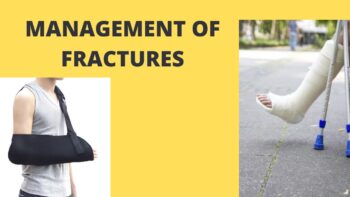
Fracture Stabilization in Nagpur | Dr. Abhishek Bhalotia at AIAS
The Fracture stabilization in Nagpur is an important part of orthopedic care for patients suffering from broken bones caused by accidents, falls, sports injuries, workplace trauma, or sudden impact injuries. Proper stabilization helps keep broken bones aligned during healing and reduces the risk of complications, pain, deformity, and movement problems. At AIAS (Asian Institute Of Advanced Surgeries), Dr. Abhishek Bhalotia provides advanced fracture stabilization in Nagpur using modern orthopedic treatment, minimally invasive procedures, surgical fixation techniques, physiotherapy, and rehabilitation programs.
Bones provide support, structure, and movement to the body. However, when excessive force or trauma affects the bones, fractures may occur. Some fractures are simple and stable, while others may be complex, displaced, or involve multiple bone fragments. Consequently, patients may experience severe pain, swelling, bruising, weakness, deformity, and difficulty moving the affected area. Therefore, early orthopedic care becomes very important for safe healing and long-term recovery.
Fractures may affect different parts of the body including the shoulder, arm, wrist, elbow, spine, pelvis, hip, thigh bone, knee, ankle, or foot. In some cases, fractures may also involve nearby muscles, tendons, ligaments, nerves, and blood vessels. Therefore, accurate diagnosis and proper stabilization are essential for restoring movement and physical function.
At AIAS Nagpur, every patient receives personalized fracture care according to the injury severity, bone condition, age, physical activity level, and recovery goals. Furthermore, rehabilitation programs help improve strength, flexibility, mobility, and confidence during recovery.
Understanding Fractures and Bone Injuries
A fracture happens when a bone breaks because of excessive pressure, trauma, stress, or impact. Fractures may range from small cracks to complete bone separation. Some fractures remain stable, while others may become displaced and unstable.
Healthy bones are strong and flexible. However, accidents, falls, sports injuries, and bone weakness may increase fracture risk significantly. In older adults, osteoporosis may reduce bone density and make fractures more common.
Different fractures require different treatment methods depending on the location and severity of the injury. Consequently, orthopedic specialists carefully evaluate fractures before recommending treatment plans.
At AIAS Nagpur, orthopedic experts use advanced diagnostic techniques and modern stabilization methods to support safe bone healing and better movement recovery.
Common Causes of Fractures
Several situations may lead to fractures and bone injuries. Road accidents are one of the most common causes of severe fractures because high-impact trauma may damage multiple bones and joints.
Falls may also cause fractures, especially in older adults and patients with weak bones. Sports activities involving jumping, running, collisions, or physical contact may increase fracture risk among athletes and active individuals.
Workplace accidents and heavy lifting injuries may also lead to fractures affecting the arms, legs, spine, or pelvis. In addition, gym injuries and improper exercise techniques may place excessive pressure on bones and joints.
Osteoporosis is another important factor that weakens bones and increases fracture risk. Consequently, even minor falls may sometimes cause fractures in older adults.
Stress fractures may develop gradually because of repeated physical strain and overuse during sports or exercise. Therefore, proper training methods and injury prevention become important for bone health.
At AIAS Nagpur, orthopedic specialists carefully identify fracture causes and recommend personalized treatment plans for safer recovery.
Types of Fractures Treated in Nagpur
Modern fracture stabilization in Nagpur helps manage different types of bone injuries affecting movement and physical function.
Simple Fracture
A simple fracture involves a clean bone break without major damage to surrounding tissues.
Compound Fracture
A compound fracture occurs when the broken bone pierces the skin. This type of injury may increase infection risk and requires urgent orthopedic treatment.
Displaced Fracture
In displaced fractures, the bone fragments move out of normal alignment and may require surgical stabilization.
Stress Fracture
Stress fractures are small cracks caused by repeated strain and overuse during physical activity or sports.
Comminuted Fracture
A comminuted fracture occurs when the bone breaks into multiple fragments because of severe trauma.
Greenstick Fracture
Greenstick fractures commonly affect children because their bones are softer and more flexible.
Compression Fracture
Compression fractures often affect the spine and may occur because of osteoporosis or trauma.
Hairline Fracture
Hairline fractures are small cracks in the bone that may cause pain during movement and physical activity.
At AIAS Nagpur, orthopedic specialists diagnose fractures accurately using modern imaging and physical examination methods for better treatment planning.
Symptoms That May Need Fracture Stabilization in Nagpur
Fractures may cause several symptoms depending on the injury severity and location. Many patients experience sudden pain immediately after injury. Swelling and bruising may develop quickly around the affected area.
Some fractures may cause visible deformity or abnormal limb positioning. In addition, patients may experience tenderness, weakness, and difficulty moving the injured limb comfortably.
Severe fractures may affect walking, standing, lifting, or daily activities significantly. In some cases, patients may hear a cracking sound during the injury.
Common fracture symptoms include:
- Severe pain
- Swelling
- Bruising
- Tenderness
- Bone deformity
- Difficulty moving the limb
- Joint instability
- Weakness
- Inability to bear weight
- Reduced mobility
Immediate orthopedic evaluation is important because delayed treatment may affect bone healing and long-term movement quality.
At AIAS Nagpur, personalized fracture stabilization helps improve healing, comfort, and physical recovery safely.
Diagnosis Before Fracture Stabilization
Proper diagnosis is important before starting fracture treatment in Nagpur. Orthopedic specialists carefully examine the injured area and evaluate pain levels, movement range, swelling, and bone alignment during physical assessment.
X-rays are commonly used to identify fractures, bone displacement, and alignment problems. MRI scans may help evaluate soft tissue injuries involving ligaments, tendons, and muscles surrounding the fracture.
CT scans provide detailed images of complex fractures affecting joints, spine, or multiple bone fragments. Ultrasound imaging may also help in some cases depending on the injury condition.
Accurate diagnosis helps doctors determine whether casts, braces, physiotherapy, or surgery may be required. Consequently, personalized treatment planning improves healing quality and recovery safety.
At AIAS Nagpur, advanced diagnostic evaluation supports safer fracture management and long-term movement improvement.
Non-Surgical Fracture Stabilization in Nagpur
Many stable fractures improve with non-surgical treatment and immobilization methods. Casts and splints are commonly used to keep fractured bones aligned during healing. These supports help reduce movement and allow the bone to heal naturally.
Braces may also be recommended depending on the fracture location and severity. In addition, doctors may advise temporary rest and reduced physical activity to avoid excessive stress on the injured bone.
Pain management methods and supportive therapies help reduce swelling and discomfort during recovery. Furthermore, physiotherapy may be introduced gradually to improve flexibility and muscle strength after initial healing.
Non-surgical treatment is often suitable for simple fractures, hairline fractures, stress fractures, and stable injuries. Consequently, many patients recover successfully without surgery through proper orthopedic care and rehabilitation programs.
At AIAS Nagpur, personalized non-surgical fracture stabilization focuses on improving healing, reducing pain, and restoring movement safely.
Surgical Fracture Stabilization in Nagpur
Some fractures may require surgery if the injury is severe, unstable, displaced, or affects joint movement significantly. Modern orthopedic surgery focuses on restoring bone alignment and improving movement using advanced stabilization techniques.
Internal Fixation
Internal fixation uses plates, screws, rods, and pins to stabilize fractured bones surgically. This method helps maintain proper bone alignment during healing.
External Fixation
External fixation uses pins and external frames attached outside the body to stabilize complex fractures while protecting surrounding tissues.
ORIF Surgery
Open Reduction and Internal Fixation (ORIF) is commonly used for displaced fractures. During this procedure, surgeons realign bone fragments and stabilize them using fixation devices.
Minimally Invasive Fracture Surgery
Modern minimally invasive techniques help reduce tissue damage and support smoother recovery compared to traditional surgery.
Following surgery, rehabilitation becomes essential for restoring movement, flexibility, muscle strength, and balance gradually.
At AIAS Nagpur, advanced fracture surgery focuses on improving mobility, reducing pain, and supporting safer recovery through modern orthopedic care.
Rehabilitation After Fracture Stabilization
The Rehabilitation is an important part of fracture recovery because proper therapy helps restore flexibility, movement, muscle strength, and balance gradually. Recovery programs are customized according to fracture severity, surgery type, age, and activity level.
Physiotherapy sessions help improve movement and reduce stiffness after fracture treatment. Strengthening exercises improve muscle support around joints and help restore stability during walking and physical activity.
Stretching programs improve flexibility and reduce muscle tightness around the affected area. In addition, balance training and mobility exercises help improve coordination and confidence during recovery.
Sports rehabilitation programs may help athletes safely return to physical activity after fractures. Furthermore, guided therapy programs help reduce the risk of repeated injuries and long-term movement problems.
At AIAS Nagpur, rehabilitation programs focus on improving movement quality, flexibility, strength, and overall physical recovery safely.
Benefits of Fracture Stabilization in Nagpur
Advanced fracture stabilization offers several important benefits for bone healing and long-term physical health. Proper stabilization helps maintain bone alignment and supports safer healing during recovery.
Treatment helps reduce pain, swelling, and discomfort after fractures. In addition, rehabilitation programs improve flexibility, muscle strength, balance, and movement gradually.
Modern orthopedic techniques may also reduce the risk of complications such as deformity, joint stiffness, instability, or delayed healing. Consequently, patients often return to work, sports, exercise, and daily activities more comfortably after recovery.
Patients receiving early orthopedic care usually experience better movement quality and improved physical confidence over time.
At AIAS Nagpur, personalized fracture treatment plans help improve mobility, comfort, flexibility, and overall quality of life.
Complications of Untreated Fractures
Untreated fractures may lead to several complications affecting movement and long-term physical health. Poor bone alignment may cause deformity and difficulty during walking or physical activity.
Some fractures may heal improperly and lead to chronic pain or limited movement. In addition, severe fractures may damage nearby muscles, tendons, ligaments, nerves, and blood vessels.
Joint stiffness and weakness may also develop if fractures are not treated properly. Consequently, delayed orthopedic care may increase recovery time and reduce healing quality.
Therefore, early diagnosis and fracture stabilization become important for safe healing and better long-term outcomes.
At AIAS Nagpur, orthopedic specialists focus on early fracture management to reduce complications and improve recovery quality.
Preventing Fractures and Bone Injuries
Although not all fractures can be prevented, certain precautions may help reduce injury risk. Maintaining strong bones through proper nutrition and exercise supports better bone health.
Calcium and vitamin D are important for healthy bones. Similarly, strength training and balance exercises help improve stability and reduce fall risk.
Using proper protective equipment during sports and physical activity may also reduce fracture risk. In addition, safe driving habits and workplace safety practices help prevent trauma-related injuries.
Older adults may benefit from fall prevention measures and osteoporosis management to reduce fracture risk significantly.
At AIAS Nagpur, orthopedic specialists guide patients regarding injury prevention, bone health, and safe physical activity habits.
Why Choose Dr. Abhishek Bhalotia for Fracture Stabilization in Nagpur?
Choosing the right orthopedic specialist is important because fracture treatment requires accurate diagnosis, personalized care, surgical expertise, and rehabilitation support.
Patients choose Dr. Abhishek Bhalotia at AIAS Nagpur because of advanced orthopedic expertise, modern surgical techniques, physiotherapy support, and patient-focused rehabilitation care.
At AIAS Nagpur, fracture treatment focuses on trauma care, bone stabilization, ORIF surgery, minimally invasive procedures, rehabilitation programs, and long-term mobility improvement.
The clinic combines advanced orthopedic care with guided recovery planning and continuous follow-up support for safer healing and improved patient comfort.
FAQs About Fracture Stabilization in Nagpur
What is fracture stabilization?
Fracture stabilization is a treatment process that keeps broken bones aligned properly during healing.
What causes fractures?
Fractures may happen because of accidents, falls, sports injuries, workplace trauma, osteoporosis, or sudden impact.
What are common fracture symptoms?
Common symptoms include pain, swelling, bruising, tenderness, deformity, and difficulty moving the affected area.
Can fractures heal without surgery?
Yes, many stable fractures heal with casts, braces, splints, and rehabilitation therapy.
What is ORIF surgery?
ORIF stands for Open Reduction and Internal Fixation, a surgical procedure used to align and stabilize fractured bones using plates, screws, rods, or pins.
What is external fixation?
External fixation uses pins and external frames outside the body to stabilize severe fractures.
How long does fracture recovery take?
Recovery time depends on fracture severity and treatment type. Some fractures heal within weeks, while severe fractures may require several months of rehabilitation.
Can physiotherapy help after fractures?
Yes, physiotherapy helps improve flexibility, strength, balance, and movement after fracture treatment.
What are stress fractures?
Stress fractures are small cracks in the bone caused by repeated strain and overuse during physical activity.
Can older adults recover from fractures successfully?
Yes, proper orthopedic care, rehabilitation, nutrition, and guided recovery programs help older adults recover more safely.
Why is rehabilitation important after fracture treatment?
Rehabilitation helps restore movement, flexibility, muscle strength, and confidence after fracture recovery.
Who provides fracture stabilization in Nagpur?
Patients can consult Dr. Abhishek Bhalotia at AIAS for advanced fracture stabilization, orthopedic care, physiotherapy, and rehabilitation support in Nagpur.
Final Thoughts on Fracture Stabilization in Nagpur
Fracture stabilization in Nagpur plays an important role in helping patients recover from broken bones, trauma injuries, sports fractures, and movement difficulties. Modern orthopedic care and rehabilitation methods support safer healing, stronger bones, improved flexibility, and better physical performance.
Whether treating simple fractures, displaced fractures, stress fractures, or complex trauma injuries, successful fracture care requires proper diagnosis, personalized treatment, guided rehabilitation, and continuous recovery support. Furthermore, early treatment often helps prevent long-term complications and improves recovery quality.
Dr. Abhishek Bhalotia at AIAS provides advanced fracture stabilization in Nagpur through personalized orthopedic treatment, modern surgical techniques, physiotherapy support, and rehabilitation programs. Through guided recovery planning and advanced fracture management, AIAS continues to help patients regain strength, stability, confidence, comfort, and improved quality of life.
Book Appointment with Dr. Abhishek Bhalotia at AIAS
If you are experiencing joint pain, limited mobility, or considering advanced joint replacement options, scheduling a consultation with Dr. Abhishek Bhalotia, MS Ortho, Fellow Joint Replacement (Hyd, UK), Robotic Joint Replacement Surgeon, can help you explore the most precise and effective treatment solutions. Early evaluation ensures that your symptoms are addressed before they affect daily activities and long-term joint health.
Consultations are available at the Asian Institute of Advanced Surgeries (AIAS) in Nagpur, where Dr. Bhalotia provides a thorough orthopedic assessment, reviews your medical history, evaluates joint function, and discusses lifestyle and activity factors. This helps in creating a tailored plan for robotic-assisted or conventional joint replacement, depending on your needs.