
Hip Replacement Surgery in Indore
Persistent hip pain can make daily activities such as walking, sitting, or climbing stairs difficult. Many patients consider hip replacement surgery in Indore when joint damage begins to affect mobility and overall quality of life. This surgical procedure replaces the damaged hip joint with artificial components designed to restore smoother movement. Orthopedic specialists often recommend surgery when non-surgical treatments fail to relieve severe hip pain caused by arthritis or joint degeneration.
Consulting an experienced orthopedic doctor helps determine whether surgery is necessary. During the evaluation, the specialist studies the patient’s symptoms, physical condition, and imaging reports. This process allows the surgeon to understand the extent of joint damage and plan suitable treatment. With proper medical guidance and structured care, many patients experience improved comfort and mobility after undergoing hip replacement surgery in Indore.
Understanding Hip Replacement Surgery in Indore
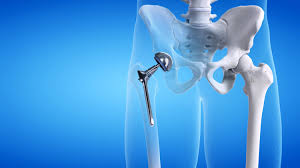
Hip replacement surgery involves removing damaged portions of the hip joint and replacing them with artificial implants. The hip joint normally functions as a ball-and-socket structure that allows smooth movement during walking or bending. When cartilage wears away, bones may rub against each other and create severe pain. In such cases, hip replacement surgery in Indore helps restore the joint’s ability to move comfortably.
During the procedure, the orthopedic surgeon replaces the damaged ball portion of the joint with a durable implant. A new socket component also replaces the worn surface in the pelvic bone. These implants allow the joint to move smoothly while reducing friction. Careful surgical planning ensures the implants fit properly within the patient’s anatomy. This approach improves stability and supports long-term joint performance.
Common Reasons Patients Need Hip Replacement Surgery in Indore
Several medical conditions can damage the hip joint and lead to chronic pain. Osteoarthritis is the most common cause that leads patients to seek hip replacement surgery in Indore. In this condition, cartilage gradually wears away and exposes the bone surfaces. The resulting friction causes stiffness, swelling, and difficulty walking.
Rheumatoid arthritis can also damage joint tissues through chronic inflammation. In some cases, hip fractures or injuries may affect the structure of the joint and cause long-term discomfort. Certain conditions that reduce blood supply to the hip joint may also lead to joint deterioration. An orthopedic specialist carefully evaluates these factors before recommending surgical treatment. Identifying the underlying cause helps determine whether joint replacement provides the best solution.
Symptoms That May Indicate the Need for Hip Replacement Surgery
Patients with severe hip joint damage often experience persistent discomfort during everyday movements. Pain may appear while walking, standing, or sitting for long periods. Some individuals also notice stiffness in the hip joint, especially after periods of rest. These symptoms can gradually worsen and limit normal activities.
Restricted movement also signals advanced joint damage. Patients may find it difficult to bend or rotate the hip comfortably. In certain cases, pain spreads toward the thigh or lower back. When these symptoms interfere with daily tasks, consulting an orthopedic doctor becomes essential. A bone and joint surgeon can determine whether hip replacement surgery in Indore may help restore mobility and reduce pain.
Diagnosis and Evaluation by an Orthopedic Specialist
Accurate diagnosis plays an important role in planning hip replacement surgery. The orthopedic doctor begins with a physical examination to evaluate joint movement and strength. The specialist may also assess walking patterns to identify limitations in hip function. Patient history helps determine how long the symptoms have been present and whether previous treatments have been effective.
Imaging tests provide additional insight into the condition of the hip joint. X-rays help reveal cartilage loss, bone damage, or joint misalignment. MRI scans may show damage to surrounding tissues such as muscles or ligaments. These diagnostic tools help the musculoskeletal specialist confirm the severity of joint degeneration. Once the evaluation is complete, the doctor can recommend the most appropriate treatment plan.
Non-Surgical Treatments Before Considering Hip Replacement
Orthopedic doctors usually explore non-surgical treatments before recommending surgery. Physiotherapy programs often strengthen the muscles that support the hip joint. Stronger muscles reduce pressure on the joint and improve stability during movement. Patients may also benefit from medications that reduce inflammation and relieve pain.
Lifestyle adjustments can also help manage early hip joint problems. Maintaining a healthy body weight reduces stress on the hip joint during daily activities. Doctors may also recommend walking aids or supportive devices that help maintain balance. These treatments can improve symptoms for many patients. However, when severe joint damage persists, the orthopedic specialist may suggest hip replacement surgery in Indore as the next step.
Advanced Techniques Used in Hip Replacement Surgery
Modern surgical techniques have improved the precision and safety of hip replacement procedures. Orthopedic surgeons now use advanced planning tools to determine the best implant placement. Accurate positioning helps the artificial joint function smoothly and improves long-term durability. These innovations allow patients to regain better joint stability after surgery.
Minimally invasive approaches may also reduce tissue disruption during the procedure. Smaller incisions help preserve surrounding muscles and allow quicker recovery. Surgeons carefully select implant materials designed to withstand daily movement for many years. This combination of surgical planning and modern technology supports successful outcomes for patients undergoing hip replacement procedures.
Why Choose Dr. Siddharth Jain for Hip Replacement Surgery
Selecting the right orthopedic specialist is important for successful treatment. Dr. Siddharth Jain focuses on diagnosing joint disorders carefully and recommending treatment based on each patient’s condition. His approach emphasizes accurate evaluation, patient education, and personalized treatment planning. This helps patients understand their options before proceeding with surgery.
At Asian Institute of Advanced Surgeries (AIAS), patients receive comprehensive orthopedic care supported by modern diagnostic tools. The facility provides structured treatment plans designed to address complex joint conditions. Careful surgical planning and rehabilitation guidance help patients regain comfortable movement. This integrated approach supports long-term joint health and improved mobility.
Rehabilitation and Recovery After Hip Replacement Surgery
Recovery after hip replacement surgery involves structured rehabilitation and gradual strengthening exercises. Physiotherapy usually begins shortly after the procedure to restore joint flexibility. Early exercises focus on gentle movements that protect the new joint while improving mobility. These steps help reduce stiffness and support healing.
As recovery progresses, therapists introduce strengthening exercises that improve stability in the hip joint. Patients also learn safe movement techniques for walking, sitting, and climbing stairs. Following a structured rehabilitation program helps ensure steady recovery. With proper care and guidance, many individuals regain comfortable movement and return to normal daily activities.
Frequently Asked Questions – Hip Replacement Surgery in Indore
1. Who is a suitable candidate for hip replacement surgery?
Patients with severe hip arthritis or persistent pain may require surgery.
Doctors recommend it when other treatments fail to relieve symptoms.
2. How long does hip replacement surgery take?
The procedure usually takes one to two hours.
Recovery begins shortly after surgery with guided rehabilitation.
3. How long does recovery take after hip replacement?
Most patients recover gradually over several weeks to months.
Physiotherapy helps restore strength and mobility.
4. Is hip replacement surgery safe?
Modern surgical techniques make the procedure reliable.
Experienced orthopedic surgeons follow strict safety protocols.
5. How long do hip replacement implants last?
Most implants last many years with proper care.
Maintaining joint health helps protect the artificial hip joint.
Book Appointment with Dr. Siddharth Jain at AIAS
If you are experiencing joint discomfort, restricted movement, or any musculoskeletal concerns, scheduling a consultation with Dr. Siddharth Jain can help you better understand your condition and explore appropriate care options. Early evaluation often helps patients address symptoms before they begin to interfere with everyday activities and mobility.
Consultations are available at Asian Institute of Advanced Surgeries (AIAS) in Nagpur, where patients receive a structured orthopaedic assessment focused on identifying factors affecting bone, joint, and movement health. During the visit, individuals can discuss their symptoms, medical history, lifestyle habits, and physical activity levels.