
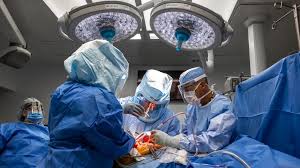
Robotic Knee Replacement in Balod | Dr. Abhishek Bhalotia – Advanced Orthopedic Care
Knee pain is one of the most common orthopedic problems affecting people of all age groups, especially older adults. Over time, conditions such as arthritis, injury, or joint degeneration can severely damage the knee joint. As a result, everyday activities like walking, climbing stairs, or standing for long periods may become extremely difficult. Consequently, many patients begin searching for advanced solutions that can restore mobility and relieve chronic pain.
In recent years, robotic knee replacement has emerged as one of the most advanced innovations in orthopedic surgery. Because robotic technology allows surgeons to perform procedures with exceptional accuracy, better implant positioning can be achieved. Therefore, many patients seeking robotic knee replacement in Balod prefer modern treatment methods that combine technology with expert surgical care.
Patients often consult Dr. Abhishek Bhalotia, who holds MS Orthopedics and Fellowship in Joint Replacement (Hyderabad, UK). Because of his expertise in joint replacement surgery, Dr. Abhishek Bhalotia provides advanced robotic-assisted treatments that focus on restoring knee function and improving long-term joint health.
Understanding Robotic Knee Replacement Surgery
Robotic knee replacement is an advanced surgical procedure used to replace a damaged knee joint with an artificial implant. However, unlike traditional knee replacement surgery, robotic systems assist surgeons with detailed planning and precise execution during the operation.
Initially, advanced imaging technology is used to create a three-dimensional model of the patient’s knee joint. Subsequently, the surgeon carefully plans the surgical procedure based on the patient’s unique anatomy. Because the surgical plan is customized, implant positioning becomes more accurate.
During the operation, robotic technology guides the surgeon’s movements and helps ensure precise bone preparation and implant placement. Nevertheless, the surgeon remains fully in control of the robotic system throughout the procedure.
As a result, robotic knee replacement improves surgical precision, reduces the chances of implant misalignment, and supports better long-term outcomes.
Conditions That May Require Robotic Knee Replacement
Although knee pain can be caused by several conditions, robotic knee replacement is typically recommended when severe joint damage affects daily activities.
Osteoarthritis
First and foremost, osteoarthritis is the most common reason for knee replacement surgery. In this condition, the protective cartilage in the knee joint gradually wears down. Consequently, bones begin to rub against each other, causing pain and stiffness.
Rheumatoid Arthritis
In addition, rheumatoid arthritis is an autoimmune disorder that causes inflammation in the joints. Over time, this inflammation may lead to severe joint damage.
Knee Injuries
Serious injuries resulting from accidents or sports activities can damage the knee joint significantly. Therefore, joint replacement may become necessary to restore normal movement.
Degenerative Joint Disease
Similarly, long-term wear and tear may gradually weaken the knee joint. As a result, patients may experience persistent pain and limited mobility.
Post-Traumatic Arthritis
Sometimes, arthritis develops after a previous knee injury. Consequently, robotic knee replacement may be recommended when the condition becomes severe.
Expertise of Dr. Abhishek Bhalotia
When considering knee replacement surgery, selecting an experienced orthopedic surgeon is essential. Therefore, many patients seeking advanced orthopedic care in Balod consult Dr. Abhishek Bhalotia.
Dr. Abhishek Bhalotia has completed MS Orthopedics and further specialized with a Fellowship in Joint Replacement from Hyderabad and the UK. Because of his extensive training and clinical experience, he focuses on advanced joint replacement techniques that improve surgical outcomes.
Furthermore, Dr. Abhishek Bhalotia follows a patient-centered approach. Initially, he carefully evaluates the patient’s condition and discusses available treatment options. Subsequently, a personalized surgical plan is developed to ensure the best possible results.
His expertise includes:
- Robotic knee replacement surgery
- Robotic hip replacement surgery
- Total joint replacement procedures
- Arthroscopic knee surgery
- Sports injury treatment
Consequently, patients benefit from modern orthopedic care that focuses on restoring joint mobility and improving quality of life.
Advantages of Robotic Knee Replacement
Robotic-assisted knee replacement offers several advantages compared to conventional surgical techniques. Because robotic technology enhances surgical precision, patients may experience better overall outcomes.
Greater Surgical Precision
First of all, robotic systems allow surgeons to position implants with high accuracy. As a result, joint alignment becomes more precise.
Personalized Surgical Planning
Furthermore, the procedure is planned based on a 3D model of the patient’s knee. Therefore, treatment is customized according to individual anatomy.
Reduced Tissue Damage
Because robotic systems guide the surgical instruments precisely, surrounding tissues are protected more effectively.
Faster Recovery
Additionally, patients often recover more quickly after robotic knee replacement surgery. Consequently, they may return to daily activities sooner.
Improved Implant Longevity
Accurate implant placement contributes to improved joint stability and durability. Therefore, artificial joints may last longer.
The Robotic Knee Replacement Procedure
Robotic knee replacement surgery involves several carefully planned steps to ensure successful outcomes.
Initial Consultation
First, the orthopedic surgeon performs a detailed evaluation of the patient’s knee condition. Imaging tests such as X-rays or CT scans are conducted to assess joint damage.
Pre-Surgical Planning
Next, advanced computer software creates a three-dimensional model of the knee joint. This model allows the surgeon to plan implant placement precisely.
Surgical Procedure
During the surgery, robotic technology assists the surgeon in removing damaged bone and cartilage while placing the artificial implant accurately.
Postoperative Care
After surgery, a rehabilitation program is recommended to help restore strength and mobility.
Recovery and Rehabilitation
Recovery after robotic knee replacement is an important part of the treatment process. Fortunately, robotic technology often allows patients to recover faster than traditional surgical methods.
Initially, gentle movement is encouraged soon after surgery. Gradually, physiotherapy exercises help strengthen muscles and improve joint flexibility.
Patients are usually advised to:
- Follow physiotherapy programs regularly
- Maintain a healthy body weight
- Avoid high-impact activities during recovery
- Attend scheduled follow-up appointments
As rehabilitation progresses, most patients experience improved mobility and significant pain relief.
Importance of Early Orthopedic Treatment
Knee pain should never be ignored, particularly when it begins to affect everyday activities. Therefore, early consultation with an orthopedic specialist is essential.
Patients should seek medical advice if they experience:
- Persistent knee pain
- Swelling or stiffness in the knee
- Difficulty walking or climbing stairs
- Reduced range of motion
- Pain during physical activity
Early diagnosis helps prevent further joint damage and improves treatment outcomes.
Conclusion
Robotic knee replacement represents a major advancement in orthopedic surgery. Because robotic technology enhances surgical accuracy and implant positioning, patients benefit from improved mobility, reduced pain, and faster recovery.
Individuals seeking robotic knee replacement in Balod can consult Dr. Abhishek Bhalotia, who holds MS Orthopedics and Fellowship in Joint Replacement (Hyderabad, UK). Through advanced surgical expertise and personalized care, Dr. Abhishek Bhalotia helps patients regain knee function and return to an active lifestyle.
FAQs – Robotic Knee Replacement in Balod
1. What is robotic knee replacement surgery?
Robotic knee replacement is an advanced procedure where robotic technology assists surgeons in performing highly precise knee joint replacement.
2. Is robotic knee replacement better than traditional surgery?
Yes, robotic-assisted surgery improves accuracy, implant alignment, and overall surgical outcomes.
3. How long does robotic knee replacement surgery take?
The procedure usually takes around one to two hours depending on the complexity of the case.
4. How long does recovery take after robotic knee replacement?
Most patients start walking within a few days, although complete recovery may take several weeks.
5. Is robotic knee replacement safe?
Yes, robotic knee replacement is considered safe when performed by experienced orthopedic surgeons.
6. Will I need physiotherapy after surgery?
Yes, physiotherapy is essential to restore strength and mobility in the knee joint.
7. How long do knee implants last?
Modern knee implants may last 15–20 years or longer with proper care.
8. When can I return to normal activities?
Many patients resume normal daily activities within four to six weeks after surgery.
9. Who is a candidate for robotic knee replacement?
Patients with severe arthritis, joint degeneration, or chronic knee pain that does not improve with conservative treatment may be candidates.
10. Does robotic knee replacement reduce pain?
Yes, the procedure significantly reduces joint pain and improves overall knee function.
Book Appointment with Dr. Abhishek Bhalotia at AIAS
If you are experiencing joint pain, limited mobility, or considering advanced joint replacement options, scheduling a consultation with Dr. Abhishek Bhalotia, MS Ortho, Fellow Joint Replacement (Hyd, UK), Robotic Joint Replacement Surgeon, can help you explore the most precise and effective treatment solutions. Early evaluation ensures that your symptoms are addressed before they affect daily activities and long-term joint health.
Consultations are available at the Asian Institute of Advanced Surgeries (AIAS) in Nagpur, where Dr. Bhalotia provides a thorough orthopedic assessment, reviews your medical history, evaluates joint function, and discusses lifestyle and activity factors. This helps in creating a tailored plan for robotic-assisted or conventional joint replacement, depending on your needs.