
Knee Replacement Surgery in Indore
Knee pain that affects daily movement can gradually reduce a person’s quality of life. When medications, physiotherapy, and lifestyle changes no longer provide relief, many patients consider knee replacement surgery in Indore as an effective treatment option. This procedure focuses on restoring joint function and reducing severe pain caused by arthritis or long-term joint damage. Early consultation with a qualified orthopedic specialist helps determine whether surgery is necessary or if non-surgical options may still work.
An experienced bone and joint surgeon carefully evaluates the condition of the knee joint before recommending treatment. During the consultation, the doctor studies symptoms, medical history, and imaging reports to understand the severity of joint damage. If the cartilage has worn down significantly, knee replacement may provide long-term relief. Many patients regain mobility and improved stability after undergoing knee replacement surgery in Indore under proper medical supervision.
Understanding Knee Replacement Surgery in Indore
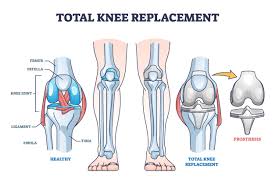
Knee replacement surgery involves replacing damaged parts of the knee joint with artificial components designed to restore smooth movement. This procedure becomes necessary when severe joint damage prevents the knee from functioning normally. People with advanced arthritis often struggle with stiffness, swelling, and persistent pain that interferes with daily activities. In such cases, knee replacement surgery in Indore may provide a reliable treatment solution.
During the procedure, the orthopedic surgeon removes the worn cartilage and reshapes the bone surfaces. Special implants made of durable medical materials replace the damaged joint structures. These implants help the knee move smoothly again while reducing friction within the joint. A musculoskeletal specialist carefully plans the surgery to match the patient’s anatomy. Accurate surgical planning plays a key role in improving long-term outcomes and restoring joint stability.
Common Reasons Patients Need Knee Replacement Surgery in Indore
Several medical conditions can damage the knee joint over time. Osteoarthritis remains the most common reason patients require knee replacement surgery in Indore. This condition gradually wears down the protective cartilage that cushions the bones in the joint. As the cartilage disappears, bones rub against each other and cause pain and stiffness.
Rheumatoid arthritis and post-traumatic arthritis can also affect the knee joint. Injuries such as fractures or ligament damage may lead to long-term joint degeneration. Some patients also develop deformities that change the alignment of the knee. When these problems make walking or climbing stairs difficult, a joint specialist may suggest surgical treatment. Early evaluation by an orthopedic doctor helps determine the most suitable treatment approach.
Symptoms That May Indicate the Need for Knee Replacement Surgery
Persistent knee discomfort often signals advanced joint damage. Many patients experience severe pain during walking, standing, or climbing stairs. The pain sometimes continues even during rest or sleep. Swelling around the knee joint may also appear regularly. When these symptoms worsen over time, patients should consult an orthopedic doctor for evaluation.
Limited movement and stiffness also suggest joint degeneration. Some people notice that the knee no longer bends or straightens completely. In severe cases, the joint may appear slightly deformed or unstable. These symptoms often affect daily tasks such as sitting, standing, or walking short distances. A bone and joint surgeon examines the knee carefully to determine whether knee replacement surgery in Indore may help restore function and relieve discomfort.
Diagnosis and Evaluation by an Orthopedic Specialist
Accurate diagnosis is essential before planning knee replacement surgery. The orthopedic specialist begins by reviewing the patient’s medical history and current symptoms. Physical examination helps assess joint movement, swelling, and alignment. The doctor may also check muscle strength around the knee to understand how the joint functions during movement.
Imaging tests provide additional information about the condition of the knee joint. X-rays show how much cartilage has worn away and whether the bones are misaligned. MRI scans sometimes help evaluate surrounding tissues such as ligaments and cartilage. These tests allow the musculoskeletal specialist to confirm the severity of the joint damage. Once the diagnosis is clear, the doctor discusses treatment options and determines whether surgical intervention is necessary.
Non-Surgical Treatments Before Knee Replacement Surgery
Doctors usually recommend non-surgical treatments before considering surgery. Many patients benefit from lifestyle modifications and physiotherapy programs designed to strengthen the muscles around the knee. Strong muscles help stabilize the joint and reduce pressure on damaged cartilage. Pain management strategies may also include medications that reduce inflammation.
Weight management also plays an important role in reducing knee stress. Excess body weight increases pressure on the joint during movement. Doctors sometimes recommend supportive knee braces or walking aids to improve stability. These treatments can provide relief for mild to moderate arthritis. However, when these options fail to improve symptoms, the orthopedic doctor may suggest knee replacement surgery in Indore as the next step.
Advanced Techniques Used in Knee Replacement Surgery
Modern surgical techniques have significantly improved the safety and accuracy of knee replacement procedures. Orthopedic surgeons now use advanced surgical planning and precision instruments to achieve better implant positioning. Accurate placement of implants helps restore natural knee movement and improves long-term durability.
Minimally invasive approaches may also reduce tissue disruption during surgery. These techniques allow surgeons to operate with smaller incisions while preserving surrounding structures. As a result, many patients experience reduced postoperative discomfort and quicker rehabilitation. Careful surgical execution by an experienced joint specialist helps ensure successful outcomes for patients undergoing knee replacement procedures.
Why Choose Dr. Siddharth Jain for Knee Replacement Surgery
Patients often look for experienced orthopedic specialists when considering joint replacement procedures. Dr. Siddharth Jain focuses on evaluating joint disorders carefully before recommending surgery. His approach emphasizes accurate diagnosis, patient education, and personalized treatment planning. This ensures that every patient understands the condition and available treatment options.
At Asian Institute of Advanced Surgeries (AIAS), patients receive structured orthopedic care designed to address complex joint problems. The facility supports advanced surgical procedures and comprehensive rehabilitation programs. This integrated approach allows patients to recover safely and gradually return to normal movement. Expert evaluation and well-planned treatment help patients achieve improved mobility and long-term joint health.
Rehabilitation and Recovery After Knee Replacement Surgery
Recovery after knee replacement surgery requires consistent rehabilitation and patient commitment. Physiotherapy begins soon after the procedure to restore movement in the joint. Early exercises focus on improving flexibility and preventing stiffness. Gradual strengthening exercises help rebuild the muscles that support the knee.
Patients typically follow a structured rehabilitation program over several weeks. Walking with support gradually improves as strength returns to the joint. Therapists also guide patients on safe movement techniques during daily activities. These steps help prevent complications and encourage steady progress during recovery. With proper rehabilitation and medical supervision, many patients regain stable movement and improved quality of life.
Frequently Asked Questions – Knee Replacement Surgery in Indore
1. Who is the ideal candidate for knee replacement surgery?
Patients with severe knee arthritis and persistent pain may require surgery.
Doctors recommend it when non-surgical treatments no longer provide relief.
2. How long does knee replacement surgery take?
The procedure usually takes one to two hours.
Recovery and rehabilitation begin soon after surgery.
3. How long does recovery take after knee replacement surgery?
Most patients resume normal activities within a few months.
Physiotherapy helps improve strength and mobility during recovery.
4. Is knee replacement surgery safe?
Modern surgical techniques make the procedure highly reliable.
Experienced orthopedic surgeons follow strict safety protocols.
5. How long do knee replacement implants last?
Most implants function well for many years with proper care.
Maintaining a healthy lifestyle helps protect the replaced joint.
Book Appointment with Dr. Siddharth Jain at AIAS
If you are experiencing joint discomfort, restricted movement, or any musculoskeletal concerns, scheduling a consultation with Dr. Siddharth Jain can help you better understand your condition and explore appropriate care options. Early evaluation often helps patients address symptoms before they begin to interfere with everyday activities and mobility.
Consultations are available at Asian Institute of Advanced Surgeries (AIAS) in Nagpur, where patients receive a structured orthopaedic assessment focused on identifying factors affecting bone, joint, and movement health. During the visit, individuals can discuss their symptoms, medical history, lifestyle habits, and physical activity levels.