
Knee Replacement Surgery in Balod – Advanced Orthopedic Care by Dr. Siddharth Jain
Knee pain is one of the most common orthopedic problems affecting adults, especially those suffering from arthritis, joint injuries, or age-related wear and tear. When medications, physiotherapy, and lifestyle changes no longer provide relief, knee replacement surgery becomes an effective solution. This procedure helps restore mobility, reduce chronic pain, and improve the overall quality of life for patients.
Patients searching for knee replacement surgery in Balod often consult Dr. Siddharth Jain at the Asian Institute of Advanced Surgeries. With extensive orthopedic training and experience in joint replacement procedures, he provides modern surgical solutions for individuals suffering from severe knee problems.
Understanding Knee Replacement Surgery
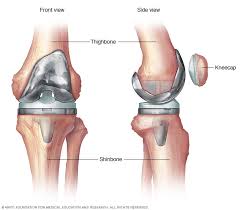
Knee replacement surgery, also known as knee arthroplasty, is a procedure in which damaged parts of the knee joint are replaced with artificial components made of metal and medical-grade plastic. During the surgery, the orthopedic surgeon removes worn-out cartilage and bone and replaces them with an artificial joint that restores smooth movement.
The surgery usually takes one to two hours, depending on the severity of the damage and the type of replacement required. After the procedure, patients are encouraged to start gentle movement and rehabilitation to regain strength and flexibility in the joint.
Knee replacement surgery is widely recommended for patients with severe joint damage that limits everyday activities such as walking, standing, or climbing stairs.
Expertise of Dr. Siddharth Jain
Patients seeking joint replacement treatment in Balod often consult Dr. Siddharth Jain due to his experience in orthopedic surgery and joint care. He has trained at leading medical institutions and has extensive experience performing joint preservation and replacement procedures.
His expertise includes:
- Knee replacement surgery
- Arthroscopic joint procedures
- Sports injury treatment
- Joint preservation techniques
- Advanced orthopedic rehabilitation
At the Asian Institute of Advanced Surgeries, patients receive personalized orthopedic treatment using modern diagnostic tools and advanced surgical methods.
When is Knee Replacement Surgery Needed?
Knee replacement surgery is usually recommended when knee pain becomes severe and significantly affects daily activities. Doctors typically consider surgery when non-surgical treatments no longer provide adequate relief.
Common conditions that may require knee replacement include:
- Osteoarthritis
- Rheumatoid arthritis
- Severe knee injury
- Degenerative joint disease
- Knee deformity or joint damage
Patients experiencing persistent pain, swelling, and limited joint movement should consult an orthopedic specialist for evaluation.
Types of Knee Replacement Surgery
Orthopedic surgeons may recommend different types of knee replacement procedures depending on the condition of the joint.
1. Total Knee Replacement
Total knee replacement is the most common type of procedure. In this surgery, the entire damaged knee joint is replaced with an artificial implant.
This procedure is usually recommended for patients with advanced arthritis affecting the entire knee joint.
2. Partial Knee Replacement
Partial knee replacement is performed when only one part of the knee joint is damaged. Instead of replacing the entire joint, the surgeon replaces only the affected section.
This procedure preserves more of the natural bone and may result in faster recovery.
3. Revision Knee Replacement
Revision surgery is performed when a previously implanted knee joint becomes worn out or damaged over time. Artificial knee joints are designed to last many years but may eventually require replacement.
Revision surgery is more complex and requires specialized orthopedic expertise.
Benefits of Knee Replacement Surgery
Knee replacement surgery offers several benefits for patients suffering from chronic knee pain and mobility problems.
Pain Relief
One of the most significant benefits is relief from long-term knee pain. Many patients experience substantial reduction in discomfort after recovery.
Improved Mobility
After rehabilitation, patients can walk more comfortably and perform daily activities such as climbing stairs or standing for longer periods.
Better Quality of Life
With reduced pain and improved joint function, many patients return to hobbies, social activities, and exercise routines.
Long-Lasting Results
Modern knee implants are designed to last 15–20 years or longer, providing long-term improvement in mobility and comfort.
Advanced Techniques in Knee Replacement
Orthopedic surgery has advanced significantly in recent years. New surgical techniques allow surgeons to perform knee replacements with greater precision and minimal tissue damage.
Modern advancements include:
- Minimally invasive knee replacement
- Computer-assisted surgery
- Robotic-assisted joint replacement
- Advanced implant materials
Minimally invasive techniques involve smaller incisions, less tissue damage, and faster recovery compared to traditional surgery.
These innovations improve surgical accuracy and help patients recover more quickly.
The Knee Replacement Procedure
The knee replacement process typically involves several stages to ensure safe and effective treatment.
1. Consultation and Evaluation
The orthopedic surgeon examines the patient’s knee joint using physical examination and imaging tests such as X-rays or MRI scans.
2. Pre-Operative Preparation
Patients may undergo medical tests and receive instructions about medications, diet, and exercise before surgery.
3. Surgical Procedure
During the surgery, the damaged bone and cartilage are removed and replaced with artificial joint components designed to mimic natural knee movement.
4. Post-Operative Recovery
After surgery, patients begin physiotherapy to regain knee strength and mobility.
Recovery After Knee Replacement
Recovery is a gradual process that involves rehabilitation and lifestyle adjustments. Patients are usually encouraged to begin walking with assistance soon after surgery to promote healing and prevent complications.
Typical recovery steps include:
- Physiotherapy exercises
- Pain management medication
- Regular follow-up consultations
- Gradual return to normal activities
Most patients experience significant improvement within a few weeks, although full recovery may take several months.
Why Choose Knee Replacement Surgery in Balod
Over the past few years, Balod has gained access to improved healthcare services and specialized orthopedic care. Patients no longer need to travel far for advanced joint replacement treatments.
Benefits of seeking treatment locally include:
- Convenient access to orthopedic specialists
- Personalized patient care
- Regular follow-up consultations
- Faster medical support during recovery
These advantages make Balod a reliable location for orthopedic treatments such as knee replacement surgery.
Patient-Focused Orthopedic Care
Successful knee replacement surgery requires careful planning, precise surgical execution, and comprehensive rehabilitation. Orthopedic specialists focus on providing patient-centered care that addresses both the medical and emotional aspects of treatment.
At the Asian Institute of Advanced Surgeries, the treatment approach emphasizes:
- Accurate diagnosis
- Personalized surgical planning
- Advanced orthopedic techniques
- Post-surgery rehabilitation support
This holistic approach helps patients regain mobility and improve their overall quality of life.
Conclusion
Knee replacement surgery is a life-changing procedure for individuals suffering from chronic knee pain and joint damage. With modern surgical techniques and experienced orthopedic specialists, patients can achieve long-term pain relief and improved mobility.
Individuals seeking knee replacement surgery in Balod can consult Dr. Siddharth Jain at the Asian Institute of Advanced Surgeries. Through advanced orthopedic expertise and personalized treatment plans, patients receive comprehensive care designed to restore movement and improve quality of life.
FAQs About Knee Replacement Surgery in Balod
1. Who needs knee replacement surgery?
Patients with severe arthritis, chronic knee pain, or joint damage that does not improve with medication or therapy may need knee replacement surgery.
2. How long does knee replacement surgery take?
The procedure usually takes about 1–2 hours, depending on the condition of the knee joint.
3. How long do artificial knee joints last?
Modern knee implants can last 15–20 years or more with proper care.
4. How long does recovery take after knee replacement?
Most patients start walking within a few days, but full recovery may take several weeks to months depending on rehabilitation.
5. Is knee replacement surgery safe?
Yes, knee replacement is considered a safe and effective procedure when performed by experienced orthopedic surgeons using modern surgical techniques.
Book Appointment with Dr. Siddharth Jain at AIAS
If you are experiencing joint discomfort, restricted movement, or any musculoskeletal concerns, scheduling a consultation with Dr. Siddharth Jain can help you better understand your condition and explore appropriate care options. Early evaluation often helps patients address symptoms before they begin to interfere with everyday activities and mobility.
Consultations are available at Asian Institute of Advanced Surgeries (AIAS) in Nagpur, where patients receive a structured orthopaedic assessment focused on identifying factors affecting bone, joint, and movement health. During the visit, individuals can discuss their symptoms, medical history, lifestyle habits, and physical activity levels.