
Keyhole Orthopedic Surgery in Nagpur | Dr. Abhishek Bhalotia at AIAS
The Keyhole orthopedic surgery in Nagpur has changed modern treatment for joint pain, sports injuries, and mobility problems. Today, many patients prefer minimally invasive orthopedic procedures because they usually involve smaller cuts, reduced pain, quicker recovery, and shorter hospital stays. At AIAS (Asian Institute Of Advanced Surgeries), Dr. Abhishek Bhalotia provides advanced keyhole orthopedic surgery in Nagpur using modern arthroscopic techniques designed to improve movement, reduce discomfort, and support healthy healing.
Joint and bone problems can affect people of different age groups. While some individuals suffer from sports injuries, others develop joint pain because of arthritis, accidents, repetitive strain, or aging. As a result, many patients experience difficulty while walking, exercising, climbing stairs, or performing daily activities. However, orthopedic treatment has improved greatly over the years. Because of advanced technology and precision surgical methods, patients now have access to safer and less invasive treatment options.
Keyhole orthopedic surgery, also known as arthroscopic surgery, allows doctors to treat many joint conditions through very small cuts using a tiny camera and specialized surgical instruments. Consequently, patients often experience smoother recovery and less tissue damage compared to traditional open surgery.
At AIAS Nagpur, Dr. Abhishek Bhalotia focuses on detailed diagnosis, advanced orthopedic care, patient safety, and personalized treatment planning. Moreover, every procedure is carefully planned according to the patient’s condition, activity level, lifestyle, and recovery goals.
Understanding Keyhole Orthopedic Surgery in Nagpur
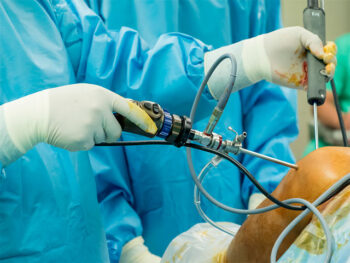
Keyhole orthopedic surgery in Nagpur is a minimally invasive procedure used to diagnose and treat problems inside joints. During the surgery, the orthopedic surgeon inserts a small camera called an arthroscope through tiny cuts near the affected joint. The camera sends clear images to a monitor, allowing the surgeon to examine and treat damaged structures with precision.
Unlike traditional orthopedic surgery, keyhole procedures use much smaller cuts. Therefore, this technique often reduces blood loss, tissue damage, pain, and recovery time. In addition, smaller cuts may lower the risk of infection and visible scarring.
Modern keyhole orthopedic surgery in Nagpur may help treat:
- Knee injuries
- Shoulder injuries
- Meniscus tears
- Ligament damage
- Cartilage injuries
- Sports injuries
- Rotator cuff tears
- Joint inflammation
- Shoulder instability
- Ankle problems
Because arthroscopic surgery allows accurate treatment inside the joint, many patients experience improved mobility and better comfort after recovery.
Why Keyhole Orthopedic Surgery Is Becoming Popular
The demand for keyhole orthopedic surgery in Nagpur has increased significantly in recent years. One major reason is that modern patients prefer minimally invasive treatment methods that support quicker recovery and reduced discomfort.
Traditional orthopedic surgery often required larger cuts and longer healing periods. However, keyhole surgery uses advanced instruments and tiny cameras to perform treatment through small openings. As a result, patients usually recover faster and return to daily activities sooner.
Sports injuries are another important reason behind the growing popularity of arthroscopic surgery. Athletes and physically active individuals often need quicker rehabilitation so they can safely return to sports, exercise, or work activities. Therefore, minimally invasive orthopedic procedures are now commonly used for sports-related injuries.
In addition, increasing joint problems and modern lifestyle changes have also contributed to the rise in orthopedic procedures. Poor posture, obesity, repetitive strain, and physical injuries may affect joint health over time. Consequently, many individuals now seek advanced orthopedic care for pain relief and improved movement.
At AIAS Nagpur, treatment focuses on healthy recovery, pain reduction, improved joint function, and long-term mobility support.
Knee Problems Treated With Arthroscopic Surgery
The Knee pain is one of the most common orthopedic concerns among adults and athletes. Knee injuries may occur because of ligament tears, cartilage damage, sports accidents, or age-related wear and tear.
Keyhole orthopedic surgery in Nagpur is commonly used for knee treatment because arthroscopic procedures allow precise correction through small cuts. Furthermore, minimally invasive methods often support quicker healing and reduced discomfort.
Arthroscopic knee surgery may help treat:
- Meniscus injuries
- ACL tears
- Cartilage damage
- Knee instability
- Joint inflammation
- Loose fragments inside the knee joint
Because knee arthroscopy protects surrounding tissues, patients often experience smoother recovery compared to traditional surgery.
At AIAS Nagpur, knee procedures are carefully planned according to injury severity, joint condition, age, and physical activity level.
Shoulder Arthroscopy and Joint Care
The Shoulder pain and instability may affect lifting, driving, exercise, and routine movements. Therefore, many patients now choose keyhole orthopedic surgery in Nagpur for advanced shoulder treatment.
Modern shoulder arthroscopy may help treat:
- Rotator cuff injuries
- Shoulder instability
- Frozen shoulder
- Shoulder impingement
- Labral tears
- Joint inflammation
Unlike older surgical methods, modern shoulder arthroscopy focuses on precise treatment with minimal tissue damage. Consequently, patients often experience improved movement and healthier recovery.
In addition, minimally invasive shoulder procedures may reduce hospital stay and support faster rehabilitation.
At AIAS Nagpur, shoulder treatment plans are personalized according to joint condition, mobility level, and recovery goals.
Sports Injury Treatment Through Keyhole Orthopedic Surgery
The Sports injuries may affect muscles, tendons, ligaments, cartilage, and joints. Therefore, proper diagnosis and timely treatment are extremely important for safe recovery.
Keyhole orthopedic surgery in Nagpur is commonly used for sports injuries because it supports precise treatment and improved rehabilitation. Moreover, minimally invasive procedures often reduce tissue damage during surgery.
Common sports-related orthopedic conditions may include:
- ACL injuries
- Meniscus tears
- Ligament injuries
- Shoulder instability
- Tendon injuries
- Cartilage damage
Early treatment is important because untreated injuries may worsen over time. Consequently, proper orthopedic care helps improve long-term mobility and athletic performance.
At AIAS Nagpur, sports injury treatment focuses on healing, rehabilitation, injury prevention, and safe return to physical activity.
Benefits of Keyhole Orthopedic Surgery in Nagpur
Modern arthroscopic procedures provide several advantages compared to traditional open surgery. Therefore, many patients now prefer minimally invasive orthopedic treatment.
Smaller Surgical Cuts
Keyhole surgery uses tiny openings instead of large cuts. As a result, tissue damage is usually less severe.
Faster Recovery
Since minimally invasive procedures protect surrounding tissues, patients often recover faster after arthroscopic surgery.
Reduced Pain and Discomfort
Modern orthopedic techniques generally cause less tissue injury. Consequently, patients may experience reduced pain after surgery.
Lower Risk of Infection
Smaller cuts may lower surgical exposure and help reduce infection risk.
Improved Joint Mobility
Precise correction of damaged tissues often helps improve flexibility and joint movement after recovery.
Shorter Hospital Stay
Many arthroscopic procedures allow patients to return home earlier compared to traditional orthopedic surgery.
At AIAS Nagpur, advanced surgical planning and personalized rehabilitation help improve recovery quality and long-term outcomes.
Advanced Technology Used in Orthopedic Surgery
Modern keyhole orthopedic surgery in Nagpur depends greatly on advanced medical technology and surgical precision. Arthroscopic procedures use high-definition cameras, precision instruments, and minimally invasive methods for accurate treatment.
Advanced orthopedic techniques may include:
- Arthroscopic ligament repair
- Cartilage restoration procedures
- Minimally invasive joint surgery
- Sports injury reconstruction
- Precision tissue repair
- Advanced rehabilitation support
These advanced methods help improve surgical accuracy, reduce tissue damage, and support smoother healing. Furthermore, modern orthopedic technology often improves patient comfort and long-term joint function.
At AIAS Nagpur, advanced orthopedic care combines modern technology with personalized treatment planning for safer and more effective recovery.
Importance of Personalized Treatment Planning
Every orthopedic condition is different. Therefore, personalized planning remains extremely important before performing keyhole orthopedic surgery in Nagpur.
Dr. Abhishek Bhalotia carefully studies symptoms, imaging reports, medical history, mobility concerns, and lifestyle needs before recommending surgery. In addition, detailed consultation helps patients understand procedures, rehabilitation stages, recovery timelines, and expected outcomes.
Personalized planning also helps determine whether surgery or non-surgical treatment is more suitable. In some cases, physiotherapy, medication, exercise modification, or lifestyle changes may improve symptoms without surgery.
At AIAS Nagpur, patient education and honest guidance are important parts of orthopedic care. Consequently, treatment plans are designed according to the patient’s condition and long-term mobility goals.
Recovery After Keyhole Orthopedic Surgery
The Recovery after keyhole orthopedic surgery in Nagpur depends on the procedure type, affected joint, and healing response. However, minimally invasive techniques usually support smoother recovery compared to traditional surgery.
Temporary swelling, stiffness, mild pain, or discomfort may occur after surgery. Even so, these effects generally improve gradually during recovery.
Doctors commonly advise patients to:
- Follow rehabilitation exercises regularly
- Attend physiotherapy sessions consistently
- Protect the operated joint during healing
- Maintain healthy hydration and nutrition
- Avoid sudden strain or heavy lifting
- Attend scheduled follow-up visits
Physiotherapy plays an important role in orthopedic recovery because guided exercises help improve flexibility, strength, balance, and joint movement. Moreover, rehabilitation programs support safer long-term recovery.
At AIAS Nagpur, post-surgical recovery plans are customized according to the patient’s orthopedic condition and treatment type.
Why Choose Dr. Abhishek Bhalotia for Keyhole Orthopedic Surgery in Nagpur?
Choosing the right orthopedic surgeon is important because joint procedures require precision, surgical expertise, and careful planning.
Patients choose Dr. Abhishek Bhalotia at AIAS Nagpur for keyhole orthopedic surgery because of advanced treatment methods, personalized orthopedic care, detailed diagnosis, and patient-focused recovery support.
At AIAS Nagpur, orthopedic treatment focuses on:
- Minimally invasive procedures
- Faster recovery support
- Sports injury treatment
- Joint preservation
- Advanced rehabilitation
- Patient safety and comfort
- Long-term mobility improvement
Modern arthroscopic procedures performed at AIAS are designed to support healthy healing and improved quality of life.
Orthopedic Services Available at AIAS Nagpur
AIAS (Asian Institute Of Advanced Surgeries) provides advanced orthopedic and minimally invasive joint care focused on patient comfort, safety, and recovery.
The clinic offers treatment for:
- Arthroscopic knee surgery
- Shoulder arthroscopy
- Sports injury treatment
- Ligament reconstruction
- Cartilage repair
- Joint pain management
- Minimally invasive orthopedic procedures
- Rehabilitation support
- Orthopedic trauma care
Patients from Nagpur and nearby regions visit AIAS for advanced orthopedic treatment and minimally invasive joint surgery. Furthermore, personalized rehabilitation support helps improve long-term recovery and mobility.
FAQs About Keyhole Orthopedic Surgery in Nagpur
What is keyhole orthopedic surgery?
Keyhole orthopedic surgery is a minimally invasive procedure that uses small cuts, cameras, and special instruments to diagnose and treat joint conditions.
Is keyhole orthopedic surgery safe?
Yes. Modern arthroscopic procedures are generally safe when performed by an experienced orthopedic surgeon using advanced surgical methods.
Which joints can be treated with arthroscopic surgery?
Arthroscopic procedures are commonly used for the knee, shoulder, ankle, and several other joints.
Does keyhole surgery help reduce recovery time?
Yes. Since the procedure uses smaller cuts and causes less tissue damage, patients often recover faster compared to traditional open surgery.
Is physiotherapy necessary after orthopedic surgery?
Yes. Physiotherapy helps improve flexibility, strength, balance, and joint movement during recovery.
Who provides keyhole orthopedic surgery in Nagpur?
Patients can consult Dr. Abhishek Bhalotia at AIAS for advanced keyhole orthopedic surgery and sports injury treatment in Nagpur.
Final Thoughts
Keyhole orthopedic surgery in Nagpur has transformed modern treatment for joint pain, sports injuries, and mobility problems. Today, patients prefer minimally invasive procedures because they support safer treatment, smoother healing, reduced discomfort, and quicker recovery.
Whether treating ligament injuries, cartilage damage, knee pain, shoulder problems, or sports-related conditions, successful orthopedic care requires accurate diagnosis, advanced technology, personalized planning, and expert surgical skill.
Dr. Abhishek Bhalotia at AIAS provides advanced keyhole orthopedic surgery in Nagpur through modern arthroscopic techniques, patient-focused treatment planning, safe surgical care, and advanced rehabilitation support. Through personalized orthopedic treatment and minimally invasive procedures, AIAS continues to help patients achieve healthier joints, improved movement, and better quality of life.
Book Appointment with Dr. Abhishek Bhalotia at AIAS
If you are experiencing joint pain, limited mobility, or considering advanced joint replacement options, scheduling a consultation with Dr. Abhishek Bhalotia, MS Ortho, Fellow Joint Replacement (Hyd, UK), Robotic Joint Replacement Surgeon, can help you explore the most precise and effective treatment solutions. Early evaluation ensures that your symptoms are addressed before they affect daily activities and long-term joint health.
Consultations are available at the Asian Institute of Advanced Surgeries (AIAS) in Nagpur, where Dr. Bhalotia provides a thorough orthopedic assessment, reviews your medical history, evaluates joint function, and discusses lifestyle and activity factors. This helps in creating a tailored plan for robotic-assisted or conventional joint replacement, depending on your needs.