
Hip prosthetic implant In Nagpur – Advanced Solution for Hip Joint Replacement
A Hip prosthetic implant In Nagpur By Dr. Abhishek Bhalotia, practicing at Asian Institute Of Advanced Surgeries, It is an artificial device used during hip replacement surgery to replace damaged parts of the hip joint. When the hip joint becomes severely affected by arthritis, injury, or degeneration, the natural cartilage and bone surfaces may deteriorate. As a result, patients may experience chronic pain, stiffness, and difficulty performing everyday activities. Therefore, Hip prosthetic implant In Nagpur s are designed to restore smooth joint movement and improve mobility.
At the Asian Institute Of Advanced Surgeries, Dr. Abhishek Bhalotia provides advanced hip replacement procedures using modern prosthetic implants and personalized treatment planning. Consequently, patients often experience significant pain relief, improved mobility, and better joint function. In addition, advanced surgical techniques help support smoother recovery and long-term stability.
Understanding the Hip Joint
The hip joint is a ball-and-socket joint that connects the thigh bone (femur) to the pelvic socket (acetabulum). Normally, smooth cartilage allows the joint surfaces to glide against each other without friction. However, when arthritis, injury, or joint damage affects the cartilage, the bones may rub together. As a result, patients may experience pain, stiffness, and reduced movement.
During hip replacement surgery, surgeons remove the damaged parts of the joint and replace them with prosthetic components that mimic the natural structure of the hip joint. Therefore, the procedure helps restore smoother and more comfortable movement.
Components of a Hip Prosthetic Implant
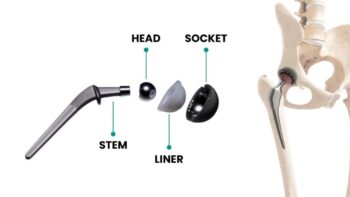
A hip prosthetic implant in Nagpur usually contains several important components that work together to recreate natural hip movement. Furthermore, each component plays a specific role in improving stability and mobility.
1. Acetabular Cup Hip Prosthetic Implant
The acetabular cup replaces the damaged socket in the pelvic bone. Manufacturers typically use durable materials such as metal or ceramic to create this component. In addition, the cup may contain a plastic or ceramic liner that supports smooth joint movement.
2. Femoral Stem Hip Prosthetic Implant
Surgeons insert the femoral stem into the thigh bone. This component provides structural support and stability for the artificial joint. Consequently, the implant can remain secure during movement.
3. Femoral Head Hip Prosthetic Implant
The femoral head acts as a rounded ball that fits into the acetabular cup. Therefore, this component allows the joint to move smoothly in multiple directions. Moreover, it helps restore natural hip motion.
4. Liner Hip Prosthetic Implant
The liner fits inside the acetabular cup and creates a smooth surface for movement. As a result, it helps reduce friction and wear between the implant components.
Materials Used in Hip Prosthetic Implants
Modern hip prosthetic implants in Nagpur use durable and body-friendly materials. These materials allow the implant to function effectively inside the body for many years. Additionally, strong implant materials help improve long-term joint performance.
Common Materials Include:
- Titanium alloys
- Cobalt-chromium metals
- Ceramic components
- Highly durable medical-grade polyethylene
Manufacturers carefully select these materials to provide strength, durability, and compatibility with the human body. Furthermore, modern implant technology continues to improve implant performance and longevity.
Types of Hip Prosthetic Implants In Nagpur
Doctors may use different types of hip prosthetic implants depending on the patient’s condition and surgical needs. Therefore, personalized implant selection plays an important role in treatment planning.
Cemented Hip Implants
Surgeons fix cemented implants into the bone using special surgical cement. As a result, this method provides immediate implant stability.
Cementless Hip Implants
Manufacturers design cementless implants to allow natural bone growth around the implant surface. Over time, the bone bonds with the implant and creates long-term stability. Consequently, these implants may provide strong biological fixation.
Hybrid Hip Implants
Hybrid implants combine cemented and cementless components. Therefore, surgeons may use this approach to improve both stability and durability.
Benefits of Hip Prosthetic Implants In Nagpur
Hip prosthetic implants in Nagpur offer several important benefits for patients undergoing hip replacement surgery. In addition, modern implants help improve overall quality of life.
Significant Pain Relief
The implant replaces damaged joint surfaces and reduces friction inside the joint. As a result, many patients experience significant pain relief.
Improved Joint Mobility
Artificial joint components allow smoother movement. Consequently, patients often regain better mobility and flexibility.
Better Quality of Life
Many patients regain independence and return to normal daily activities after recovery. Furthermore, improved movement may increase confidence and comfort.
Long-Term Durability
Modern implants are designed to function effectively for many years with proper care. Therefore, patients may benefit from long-lasting joint support.
Increased Stability
Prosthetic implants provide structural support for the hip joint. In addition, stable joint movement helps improve balance and walking ability.
Recovery After Hip Implant Surgery
Recovery after hip replacement surgery involves several stages that help restore strength, flexibility, and mobility. Therefore, proper rehabilitation remains important for successful recovery.
Early Mobilization
Doctors usually encourage patients to begin walking with assistance shortly after surgery. Consequently, early movement helps improve circulation and reduces stiffness.
Physiotherapy
Structured physiotherapy programs strengthen the muscles around the hip joint and improve flexibility. In addition, guided exercises help patients regain movement safely.
Gradual Activity Increase
Patients gradually return to normal activities while following medical guidance. Therefore, controlled recovery helps protect the new joint during healing.
Regular Follow-Up
Follow-up visits allow the surgeon to monitor implant function and overall recovery progress. Furthermore, regular evaluations help identify any concerns early.
Factors That Influence Implant Longevity
Several factors can influence how long a hip prosthetic implant in Nagpur lasts. Therefore, proper care and healthy habits remain important after surgery.
Important Factors Include:
- Patient age and activity level
- Overall bone health
- Surgical technique
- Postoperative rehabilitation
- Lifestyle habits
Maintaining a healthy lifestyle and following medical advice can help support long-term implant function and overall joint health. Additionally, regular exercise and follow-up care may improve implant durability and mobility outcomes.n help extend implant longevity.
Treatment For Hip prosthetic implant
Individuals experiencing severe hip pain or joint damage may benefit from consulting an experienced orthopaedic specialist.
At Asian Institute Of Advanced Surgeries, Dr. Abhishek Bhalotia provides advanced evaluation and hip replacement procedures using modern prosthetic implants. The institute focuses on comprehensive orthopaedic care, accurate diagnosis, and personalized treatment strategies to improve joint function and patient comfort.
Frequently Asked Questions (FAQs) Hip prosthetic implant In Nagpur
What is a Hip prosthetic implant In Nagpur ?
A Hip prosthetic implant In Nagpur is an artificial device used to replace damaged parts of the hip joint during hip replacement surgery.
How long do hip implants last?
Most modern hip implants can last 15 to 20 years or longer depending on patient health and activity levels.
Are hip implants safe?
Yes. Hip prosthetic implant In Nagpur In Nagpur s are made from medical-grade materials and are designed for safe use in the body.
Can patients walk after hip replacement surgery?
Yes. Many patients begin walking with assistance soon after surgery and gradually regain normal mobility during rehabilitation.
Where can I get hip replacement treatment ?
Patients can consult Dr. Abhishek Bhalotia at Asian Institute Of Advanced Surgeries, Nagpur for advanced hip replacement surgery and prosthetic implant treatment.
Book Appointment with Dr. Abhishek Bhalotia at AIAS
If you are experiencing joint discomfort, restricted movement, or any musculoskeletal concerns, scheduling a consultation with Dr. Abhishek Bhalotia, MS Ortho, Fellow Joint Replacement (Hyd, UK), Robotic Joint Replacement Surgeon, can help you better understand your condition and explore appropriate care options. Early evaluation often helps patients address symptoms before they begin to interfere with everyday activities and mobility.
Consultations are available at Asian Institute of Advanced Surgeries (AIAS) in Nagpur, where patients receive a structured orthopaedic assessment focused on identifying factors affecting bone, joint, and movement health. During the visit, individuals can discuss their symptoms, medical history, lifestyle habits, and physical activity levels with Dr. Abhishek Bhalotia, ensuring a comprehensive evaluation and guidance toward suitable treatment options for improved joint function and mobility.