
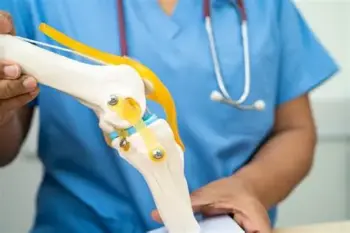
Localized knee joint repair In Nagpur – Targeted Treatment for Knee Damage
Localized knee joint repair In Nagpur Dr. Abhishek Bhalotia, practicing at Asian Institute Of Advanced Surgeries, focuses on treating specific damaged areas of the knee while preserving the healthy structures of the joint. Knee pain can significantly affect mobility and daily activities. However, not every knee condition requires full joint replacement surgery.
At the Asian Institute Of Advanced Surgeries, Nagpur, orthopaedic surgeon Dr. Abhishek Bhalotia (MS Ortho, Fellow Joint R(MS Ortho, Fellow Joint Replacement – Hyd, UK) provides advanced knee treatments designed to repair localized joint damage. Because these procedures target only the affected portion of the knee, patients often experience faster recovery and improved joint function. In addition, preserving healthy knee structures may support better long-term mobility.
What Is Localized Knee Joint Repair In Nagpur?
Localized knee joint repair in Nagpur is a treatment approach that focuses on repairing a specific damaged section of the knee joint rather than replacing the entire joint.
Instead of removing large portions of bone or cartilage, surgeons treat only the affected area. As a result, healthy tissues, ligaments, and cartilage remain preserved. Furthermore, this approach may help patients maintain more natural knee movement after treatment.
Key Goals of Localized Knee Repair
The main goals of localized knee repair include:
- Repairing damaged cartilage or bone
- Preserving healthy knee structures
- Maintaining natural joint movement
- Reducing pain and stiffness
- Improving long-term joint stability
Consequently, this targeted treatment approach supports better knee function and faster rehabilitation. Moreover, patients may return to daily activities more comfortably and confidently.
Why Targeted Knee Repair Is Important?
The knee joint consists of several complex structures, including cartilage, ligaments, and bone surfaces. Therefore, even small areas of damage can affect knee movement and comfort.
When damage affects only one part of the knee, repairing that specific area often provides effective relief. Additionally, targeted treatment helps preserve healthy tissues and reduces unnecessary joint damage.
Furthermore, localized knee repair may improve recovery speed because surgeons avoid replacing unaffected parts of the knee. As a result, many patients experience improved joint stability, smoother movement, and reduced discomfort.
In many cases, preserving natural knee structures also helps maintain better flexibility and long-term joint function. Therefore, targeted knee repair can become an important option for suitable patients.
Benefits of Localized knee joint repair In Nagpur
1. Preservation of Natural Knee Structure
Healthy tissues remain intact because the treatment focuses only on the damaged area.
2. Reduced Surgical Trauma
Smaller surgical interventions usually cause less tissue disruption.
3. Faster Recovery
Patients often recover more quickly compared with extensive joint replacement surgery.
4. Improved Joint Function
Targeted treatment helps restore smooth knee movement and stability.
5. Delay of Major Surgery
Early repair of localized damage may delay the need for full knee replacement.
Conditions Treated With Localized knee joint repair In Nagpur
Orthopaedic specialists may recommend localized repair for several knee problems.
Common Conditions Include
- Localized cartilage damage
- Early-stage knee osteoarthritis
- Meniscus tears affecting joint surfaces
- Knee joint cartilage defects
- Sports-related knee injuries
- Early degenerative joint changes
Because early diagnosis improves treatment outcomes, persistent knee symptoms should be evaluated by an orthopaedic specialist.
Types of Procedures For Localized knee joint repair In Nagpur
Several advanced techniques are available to repair specific knee joint damage.
Arthroscopic Knee Repair
Arthroscopy uses a small camera and specialized instruments to treat knee problems through tiny incisions.
Cartilage Restoration Techniques
Certain procedures repair or regenerate damaged cartilage in the affected portion of the knee.
Partial Knee Joint Treatments
If only one compartment of the knee is damaged, targeted surgical procedures address the affected area.
Ligament Preservation Procedures
Some techniques repair damaged ligaments while maintaining joint stability.
Biologic Knee Treatments
Biologic therapies may support cartilage healing and joint regeneration.
How the Treatment Process Works ?
Localized knee repair involves a careful evaluation and personalized surgical planning process.
Step 1: Knee Evaluation
The orthopaedic surgeon performs a detailed examination and reviews imaging studies such as X-rays or MRI scans.
Step 2: Diagnosis of Joint Damage
The exact location and severity of the knee injury are identified.
Step 3: Customized Treatment Plan
Based on the diagnosis, the surgeon selects the most suitable localized repair technique.
Step 4: Targeted Surgical Treatment
The damaged portion of the knee joint is repaired while healthy structures remain preserved.
Recovery and Rehabilitation
Recovery after localized knee repair is usually faster than recovery after full knee replacement surgery. Because the procedure focuses only on the damaged area, most of the natural knee structures remain preserved. As a result, patients often regain mobility sooner and experience a smoother healing process.
Recovery Highlights
Improved Joint Strength and Flexibility
Regular exercises support muscle recovery and joint stability. Over time, consistent rehabilitation helps restore smoother knee function.
Early Knee Movement
Gentle knee movement often begins soon after the procedure. Early activity helps improve circulation and supports joint flexibility.
Shorter Hospital Stay
Since the surgery targets a smaller area, many patients return home sooner after treatment.
Guided Physiotherapy
A structured rehabilitation program helps strengthen the knee muscles while improving balance and stability.
Gradual Return to Daily Activities
Walking and light activities usually resume step by step. With proper guidance, patients regain confidence in knee movement.
- Early knee movement after treatment
- Structured physiotherapy programs
- Gradual return to normal activities
- Strengthening of surrounding muscles
- Improved joint flexibility over time
Because rehabilitation plays a major role in recovery, following the recommended physiotherapy plan is essential.
Advanced Orthopaedic Care in Nagpur
Patients experiencing knee pain or localized joint damage can benefit from specialized orthopaedic treatment.
At the Asian Institute Of Advanced Surgeries, Nagpur, Dr. Abhishek Bhalotia provides advanced joint preservation procedures and modern knee surgery techniques.
Orthopaedic Services Include
- Localized knee joint repair In Nagpur In Nagpur procedures
- Partial knee replacement surgery
- Minimally invasive knee surgery
- Robotic-assisted orthopaedic procedures
- Sports injury treatment
- Hip and knee joint replacement surgery
Personalized treatment plans ensure that each patient receives the most appropriate care for their knee condition.
When Should You Consult an Orthopaedic Surgeon?
Persistent knee discomfort may indicate underlying joint damage. Early evaluation helps prevent further complications.
Warning Signs
- Continuous knee pain
- Knee swelling or stiffness
- Difficulty walking or climbing stairs
- Limited knee movement
- Knee instability
If these symptoms continue, consulting an orthopaedic specialist may help identify the appropriate treatment.
Frequently Asked Questions (FAQ) Localized knee joint repair In Nagpur
What is Localized knee joint repair In Nagpur?
Localized knee joint repair In Nagpur In Nagpur is a targeted treatment that focuses on repairing specific damaged areas of the knee while preserving healthy joint structures.
Is localized knee repair better than full knee replacement?
For patients with limited joint damage, localized repair can maintain natural knee function and delay the need for complete joint replacement.
Are these procedures minimally invasive?
Many localized knee repair procedures use minimally invasive surgical techniques that involve smaller incisions and reduced tissue disruption.
How long does recovery take?
Recovery depends on the severity of the knee condition and the procedure performed. However, many patients return to normal activities sooner than after traditional knee replacement surgery.
Who performs Localized knee joint repair In Nagpur ?
Dr. Abhishek Bhalotia at the Asian Institute Of Advanced Surgeries provides advanced orthopaedic care including Localized knee joint repair In Nagpur treatments.
Book Appointment with Dr. Abhishek Bhalotia at AIAS
If you are experiencing joint discomfort, restricted movement, or any musculoskeletal concerns, scheduling a consultation with Dr. Abhishek Bhalotia, MS Ortho, Fellow Joint Replacement (Hyd, UK), Robotic Joint Replacement Surgeon, can help you better understand your condition and explore appropriate care options. Early evaluation often helps patients address symptoms before they begin to interfere with everyday activities and mobility.
Consultations are available at Asian Institute of Advanced Surgeries (AIAS) in Nagpur, where patients receive a structured orthopaedic assessment focused on identifying factors affecting bone, joint, and movement health. During the visit, individuals can discuss their symptoms, medical history, lifestyle habits, and physical activity levels with Dr. Abhishek Bhalotia, ensuring a comprehensive evaluation and guidance toward suitable treatment options for improved joint function and mobility.