
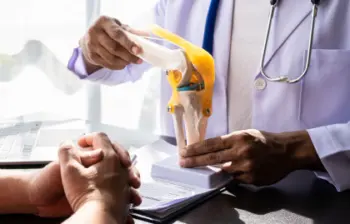
Muscle-sparing knee procedure In Nagpur – Advanced Knee Surgery for Faster Recovery
A Muscle-sparing knee procedure In Nagpur is an advanced surgical approach designed to protect muscles and soft tissues during knee surgery.Dr. Abhishek Bhalotia, practicing at Asian Institute Of Advanced Surgeries, Knee pain can affect daily movement, mobility, and overall quality of life. However, modern orthopaedic techniques now allow surgeons to perform knee procedures with minimal disruption to surrounding tissues.
At the Asian Institute Of Advanced Surgeries, Nagpur, experienced orthopaedic surgeon Dr. Abhishek Bhalotia (MS Ortho, Fellow Joint Replacement – Hyd, UK) performs advanced knee procedures using modern surgical techniques. Because muscle structures are preserved, patients often experience faster recovery, reduced pain, and improved joint function after surgery.
What Is a Muscle-sparing knee procedure In Nagpur?
A Muscle-sparing knee procedure In Nagpur is a specialized surgical technique used during knee replacement or knee joint surgeries. Instead of cutting through major muscles around the knee, the surgeon carefully moves muscles aside to access the joint.
As a result, this technique helps maintain muscle strength and stability after surgery.
Key Characteristics
- Minimal muscle cutting
- Smaller surgical incision
- Reduced tissue damage
- Faster rehabilitation
- Improved knee function
Consequently, patients usually experience a smoother recovery compared with traditional surgical techniques.
Why Muscle Preservation Matters in Knee Surgery?
Muscles surrounding the knee play a crucial role in joint movement and stability. Therefore, protecting these muscles during surgery significantly improves postoperative recovery.
Benefits of Muscle-Sparing Techniques
1. Faster Recovery
Since the muscles remain intact, the body heals more quickly. Patients therefore regain mobility earlier.
2. Reduced Post-Surgical Pain
Less tissue disruption means reduced inflammation and postoperative discomfort.
3. Better Muscle Strength
Because muscles are preserved, patients maintain stronger knee support after surgery.
4. Shorter Hospital Stay
In many cases, patients can return home sooner due to quicker recovery.
5. Improved Knee Function
Preserving the surrounding muscles supports natural joint movement after surgery.
Conditions Treated With Muscle-sparing knee procedure In Nagpurs
Orthopaedic specialists may recommend this surgical technique for several knee conditions.
Common Conditions Include
- Knee osteoarthritis
- Partial knee damage
- Early to moderate knee arthritis
- Cartilage deterioration
- Knee joint degeneration
- Limited knee mobility due to joint damage
Therefore, early evaluation by a joint replacement specialist can help determine whether this procedure is suitable.
Muscle-Sparing Knee Replacement Procedure
The procedure follows a structured surgical plan to ensure precision and safety.
Step-by-Step Surgical Approach
1. Pre-Surgical Assessment
First, the orthopaedic surgeon evaluates the knee joint using imaging tests such as X-rays or MRI scans.
2. Personalized Surgical Planning
Next, the surgeon plans the procedure carefully to minimize disruption to surrounding tissues.
3. Muscle-Sparing Surgical Access
Instead of cutting major muscles, the surgeon gently moves them aside to access the knee joint.
4. Joint Repair or Replacement
The damaged cartilage or bone surfaces are then repaired or replaced with specialized implants.
5. Closure and Recovery
Finally, the incision is closed carefully to support faster healing.
Who Is a Good Candidate for This Procedure?
Not every patient requires traditional knee replacement surgery. In fact, muscle-sparing techniques may be recommended for specific individuals.
Ideal Candidates
- Patients with localized knee arthritis
- Individuals with moderate joint degeneration
- Active patients seeking faster recovery
- Patients with early knee joint damage
- Individuals aiming for improved postoperative mobility
However, a complete orthopaedic evaluation remains essential before finalizing the treatment plan.
Recovery After a Muscle-sparing knee procedure In Nagpur
Recovery is typically quicker because muscles remain preserved during surgery.
Post-Surgery Recovery Timeline
Early Mobilization
Patients often begin gentle movement within the first 24 hours after surgery.
Physiotherapy
Structured rehabilitation programs help restore strength and mobility.
Gradual Activity Return
Daily activities usually resume progressively over several weeks.
Long-Term Joint Function
With proper care and physiotherapy, patients can achieve strong and stable knee function.
Advantages Compared With Traditional Knee Surgery
Modern orthopaedic surgery focuses on minimizing tissue damage while maximizing surgical precision.
Comparison Overview
| Feature | Muscle-Sparing Procedure | Traditional Knee Surgery |
|---|---|---|
| Muscle Damage | Minimal | Moderate |
| Recovery Time | Faster | Longer |
| Post-Operative Pain | Lower | Higher |
| Rehabilitation | Easier | More intensive |
| Hospital Stay | Shorter | Longer |
Therefore, many patients prefer minimally invasive approaches whenever medically appropriate.
Advanced Knee Care at Asian Institute Of Advanced Surgeries, Nagpur
Patients experiencing knee pain or limited mobility can benefit from expert orthopaedic care.
At the Asian Institute Of Advanced Surgeries, Dr. Abhishek Bhalotia provides comprehensive knee treatment using modern surgical techniques, including muscle-sparing joint procedures.
Orthopaedic Services Include
- Knee replacement surgery
- Partial knee replacement
- Robotic-assisted orthopaedic procedures
- Sports injury management
- Knee arthritis treatment
- Advanced joint preservation techniques
Furthermore, personalized treatment planning ensures each patient receives the most suitable surgical or non-surgical care.
When Should You See an Orthopaedic Surgeon?
Persistent knee pain should never be ignored. Early evaluation often prevents further joint damage.
Warning Signs
- Chronic knee pain
- Difficulty walking or climbing stairs
- Knee stiffness or swelling
- Reduced joint flexibility
- Joint instability
If these symptoms continue, consulting an orthopaedic specialist may help identify the underlying cause and appropriate treatment.
Frequently Asked Questions (FAQ) Muscle-sparing knee procedure In Nagpur
What is a Muscle-sparing knee procedure In Nagpur?
A Muscle-sparing knee procedure In Nagpur is a surgical technique where the surgeon avoids cutting major muscles while accessing the knee joint during surgery.
Is recovery faster after muscle-sparing knee surgery?
Yes. Because the muscles remain intact, patients usually experience faster recovery and improved mobility.
Is this procedure used for knee replacement surgery?
Yes. Muscle-sparing techniques are commonly used in minimally invasive knee replacement procedures.
How long does recovery take?
Most patients begin walking within a day after surgery, while full recovery may take several weeks depending on individual health and rehabilitation.
Who performs Muscle-sparing knee procedure In Nagpurs in Nagpur?
Dr. Abhishek Bhalotia at the Asian Institute Of Advanced Surgeries specializes in advanced joint replacement and modern orthopaedic surgical techniques.
Book Appointment with Dr. Abhishek Bhalotia at AIAS
If you are experiencing joint discomfort, restricted movement, or any musculoskeletal concerns, scheduling a consultation with Dr. Abhishek Bhalotia, MS Ortho, Fellow Joint Replacement (Hyd, UK), Robotic Joint Replacement Surgeon, can help you better understand your condition and explore appropriate care options. Early evaluation often helps patients address symptoms before they begin to interfere with everyday activities and mobility.
Consultations are available at Asian Institute of Advanced Surgeries (AIAS) in Nagpur, where patients receive a structured orthopaedic assessment focused on identifying factors affecting bone, joint, and movement health. During the visit, individuals can discuss their symptoms, medical history, lifestyle habits, and physical activity levels with Dr. Abhishek Bhalotia, ensuring a comprehensive evaluation and guidance toward suitable treatment options for improved joint function and mobility.