
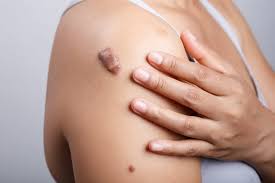
Keloid Treatment in Nagpur – Dr. Siddharth Mendiratta at AIAS
Keloid treatment in Nagpur has become increasingly important for people dealing with thick, raised scars that continue growing after skin injury or surgery. Unlike normal scars, keloids do not remain limited to the original wound area. Instead, they spread beyond the injured skin because the body produces excess collagen during the healing process. These scars may become large, dark, itchy, painful, or uncomfortable over time. At AIAS (Asian Institute Of Advanced Surgeries), Dr. Siddharth Mendiratta provides advanced keloid treatment in Nagpur using modern cosmetic and reconstructive methods designed to improve skin appearance, reduce scar thickness, and restore patient comfort.
Keloid treatment in Nagpur is often necessary because keloids can affect both physical appearance and emotional confidence. Many people feel uncomfortable because of visible keloids on the face, chest, shoulders, neck, jawline, ears, or back. Some patients experience constant itching, irritation, tenderness, or tightness around the scar tissue. In severe cases, keloids may even interfere with movement when they form near joints or flexible skin areas. Modern keloid treatment focuses on reducing scar size, softening scar texture, improving cosmetic appearance, and controlling further growth.
At AIAS Nagpur, every patient receives a personalized treatment plan according to scar size, skin type, location, and healing pattern. Since keloids can sometimes return after treatment, careful scar management and follow-up care are very important for achieving better long-term results.
Understanding Keloids and the Need for Keloid Treatment in Nagpur
Keloids develop when the body produces too much collagen while repairing damaged skin. Normally, collagen helps heal wounds and restore injured tissue. In some individuals, however, the healing response becomes excessive and creates thick scar tissue that grows beyond the original injury.
Keloids may develop after surgery, burns, cuts, acne, ear piercings, tattoos, skin infections, or even small scratches. Some people have a greater tendency to form keloids because of genetics or skin characteristics. These scars are more common on the chest, shoulders, upper back, neck, jawline, and ears.
Unlike normal scars, keloids often continue growing slowly over time. They may appear smooth, shiny, raised, and darker than surrounding skin. Some patients also notice itching, burning sensation, pain, or tenderness around the scar area.
At AIAS Nagpur, Dr. Siddharth Mendiratta carefully examines the scar before planning keloid treatment in Nagpur. The main goal is to reduce scar thickness, improve skin texture, and create smoother and more natural-looking skin contours.
Why Early Keloid Treatment in Nagpur Is Important
Many people ignore raised scars during the early stages, hoping they will improve naturally. However, keloids usually do not disappear on their own. In many cases, they gradually become thicker, larger, and more noticeable over time.
Early keloid treatment in Nagpur often produces better cosmetic and functional results because smaller scars usually respond more effectively to treatment. Delayed treatment may allow the scar to grow larger and become more difficult to manage.
Keloids may also affect emotional well-being. Visible scars on exposed body parts often reduce confidence and make people uncomfortable in social situations. Patients with facial keloids or large chest scars frequently feel self-conscious about their appearance.
Some keloids also create physical discomfort. Tight scar tissue may irritate surrounding skin or restrict movement in certain areas. Treating these scars helps improve both comfort and appearance.
Common Causes of Keloids
Keloids can develop after many types of skin injury or inflammation. Surgical procedures are one of the common causes. Some people develop raised scars after cosmetic surgery, reconstructive surgery, or routine medical operations.
Severe acne can also lead to keloid formation, especially on the chest, shoulders, jawline, and upper back. Deep acne inflammation damages the skin and increases abnormal collagen production during healing.
Burn injuries frequently create thick scar tissue because burns damage deeper skin layers. Ear piercings and tattoos are also common causes of keloids in people with sensitive scar healing tendencies.
Even minor injuries such as cuts, scratches, or skin infections may trigger keloid formation in individuals prone to abnormal scar growth.
Symptoms That May Require Keloid Treatment in Nagpur
Keloids usually appear gradually after the skin heals from injury. The scar may initially seem small but slowly increase in size over weeks or months.
Patients commonly notice thick, raised scar tissue with a smooth or shiny surface. The scar may appear pink, red, brown, or darker than surrounding skin depending on skin type.
Many keloids become itchy or tender. Some patients describe a burning sensation or tightness around the affected area. Large keloids may also create discomfort when clothing rubs against the skin.
If a scar continues growing or becomes uncomfortable, professional evaluation for keloid treatment in Nagpur is important for proper treatment planning.
Facial Keloid Treatment in Nagpur
Facial keloids can strongly affect confidence because the face is highly visible during daily interaction. Keloids on the jawline, cheeks, neck, or ears may attract unwanted attention and cause emotional stress.
At AIAS Nagpur, facial keloid treatment in Nagpur focuses on reducing scar thickness while preserving natural facial balance and skin texture. Treatment planning is very important because facial skin requires delicate handling and careful contour correction.
Depending on the size and condition of the scar, treatment may involve injections, scar revision procedures, laser-assisted treatment, or combination therapy. The goal is to improve cosmetic appearance while maintaining natural facial harmony.
Modern scar correction methods help soften facial keloids and make them less noticeable over time.
Advanced Methods Used for Keloid Treatment in Nagpur
Modern keloid treatment in Nagpur uses different methods depending on the scar type and severity. Many patients benefit from combination treatment because keloids can recur after single-method treatment.
Steroid injections are commonly used to flatten raised scars and reduce inflammation. These injections gradually soften the scar and decrease itching or discomfort.
Large or severe keloids may require surgical removal. During keloid surgery, the excess scar tissue is carefully removed to improve contour and reduce thickness. Additional therapies are often recommended after surgery to reduce recurrence risk.
Laser-assisted treatment may improve scar texture, discoloration, and uneven skin appearance. Silicone gels and silicone sheets may also help flatten scars and improve healing quality.
Pressure therapy is sometimes used for burn-related scars or larger keloids. Pressure garments help reduce excessive collagen formation during healing.
At AIAS Nagpur, keloid treatment plans are customized according to the patient’s scar condition, healing response, and cosmetic goals.
Keloid Removal Surgery in Nagpur
Some keloids become very large or resistant to non-surgical treatment. In such cases, keloid removal surgery may be necessary.
Keloid surgery focuses on removing thick scar tissue while improving skin contour and appearance. Since keloids may recur after surgery, proper scar management during recovery is extremely important.
At AIAS Nagpur, Dr. Siddharth Mendiratta performs keloid removal surgery using careful reconstructive techniques designed to reduce skin tension and support smoother healing.
Combination treatment after surgery often helps lower the risk of scar recurrence and improves long-term cosmetic results.
Importance of Proper Follow-Up After Keloid Treatment in Nagpur
Follow-up care is a very important part of successful keloid treatment in Nagpur. Keloids have a tendency to recur, especially if scar care instructions are ignored after treatment.
Patients are usually advised to protect healing skin from unnecessary friction, sunlight, and irritation. Doctors may also recommend silicone products, pressure therapy, or additional injections depending on the scar condition.
Regular follow-up visits allow the surgeon to monitor healing and identify early signs of recurrence. Early management often helps prevent further scar growth.
Proper aftercare supports smoother healing and improves the overall cosmetic appearance of the treated area.
Preventing Keloid Formation
Although keloids cannot always be prevented completely, certain precautions may reduce the risk of excessive scar growth.
People with a history of keloids should avoid unnecessary skin trauma, body piercings, or tattoos whenever possible. Proper wound care after surgery or injury is also important.
Preventing infection, avoiding scratching healing skin, and protecting scars from irritation may improve healing quality. Early medical care for raised scars may also reduce further scar enlargement.
Patients prone to keloids should inform their surgeon before undergoing cosmetic or reconstructive procedures.
Emotional Benefits of Keloid Treatment in Nagpur
Keloids often affect more than physical appearance. Many patients feel embarrassed or uncomfortable because of visible scars, especially when they are located on the face, neck, chest, or ears.
Large or dark scars may reduce confidence and affect social interaction. Some individuals avoid certain clothing styles or social situations because of noticeable keloids.
Keloid treatment in Nagpur helps improve cosmetic appearance and emotional comfort. Many patients feel more confident and relaxed after successful scar correction procedures.
At AIAS Nagpur, treatment plans focus not only on scar reduction but also on patient comfort and realistic expectations.
Recovery After Keloid Treatment in Nagpur
Recovery depends on the treatment method and scar severity. Some treatments involve minimal recovery time, while surgical procedures may require longer healing.
Patients may experience mild redness, swelling, or temporary discomfort after treatment. Healing improves gradually over several weeks and months.
Doctors generally advise patients to follow scar care instructions carefully, protect healing skin from sunlight, attend regular follow-up appointments, and avoid unnecessary irritation over the treated area.
Proper aftercare is important because it supports smoother healing and helps reduce recurrence risk after keloid treatment in Nagpur.
Why Choose Dr. Siddharth Mendiratta for Keloid Treatment in Nagpur?
Choosing the right specialist is very important because keloid treatment requires careful planning and long-term scar management.
Dr. Siddharth Mendiratta at AIAS Nagpur provides advanced keloid treatment in Nagpur using modern cosmetic and reconstructive methods focused on balanced scar improvement and patient safety.
Patients choose AIAS because of personalized treatment planning, precision-focused scar correction techniques, advanced reconstructive expertise, and comprehensive follow-up care.
The clinic focuses on natural-looking improvement and patient-centered cosmetic care rather than aggressive scar correction.
AIAS Nagpur for Advanced Keloid Treatment
AIAS (Asian Institute Of Advanced Surgeries) offers advanced treatment for keloids, burn scars, acne scars, surgical scars, and reconstructive cosmetic concerns.
The center provides modern scar management procedures using advanced reconstructive methods and personalized care plans tailored to each patient’s condition.
Patients from Nagpur and nearby regions visit AIAS for specialized keloid treatment in Nagpur and cosmetic scar correction procedures designed to improve skin appearance and comfort.
FAQs About Keloid Treatment in Nagpur
What is a keloid?
A keloid is a raised scar that grows beyond the original wound because of excessive collagen production during healing.
Can keloids disappear naturally?
Keloids usually do not disappear on their own and often continue growing without treatment.
Is keloid treatment painful?
Most treatments involve only mild discomfort, and doctors usually manage temporary pain with proper care and medication.
Can keloids return after treatment?
Yes. Keloids can recur after treatment, but proper scar management and combination therapy may reduce recurrence risk.
Is surgery necessary for all keloids?
No. Small keloids may improve with injections, silicone therapy, or laser-assisted treatment. Larger scars may require surgery.
How long does keloid treatment take?
Treatment duration depends on scar size, location, and response to therapy. Some scars improve gradually over several sessions.
Final Thoughts
Keloid treatment in Nagpur helps improve raised scars caused by surgery, acne, burns, injuries, piercings, and skin trauma. Modern scar management focuses on reducing scar thickness, improving skin texture, relieving discomfort, and restoring smoother cosmetic appearance.
Since keloids may continue growing over time, early medical care and personalized treatment planning are important for better long-term results.
Dr. Siddharth Mendiratta at AIAS provides advanced keloid treatment in Nagpur using modern reconstructive and cosmetic methods focused on patient safety, balanced outcomes, and natural-looking scar improvement. Through personalized scar management and precision-focused care, AIAS continues to help patients achieve healthier-looking skin and improved confidence.
Book Appointment with Dr. Siddharth Mendiratta at AIAS
If you are considering cosmetic or reconstructive procedures, scheduling a consultation with Dr. Siddharth Mendiratta, Board Certified Plastic & Aesthetic Surgeon, can provide personalized guidance tailored to your needs. Early consultation ensures you understand the options, expected outcomes, and any preparatory steps required for safe and effective results.
Consultations are available at the Asian Institute of Advanced Surgeries (AIAS) in Nagpur, where patients receive a detailed assessment of their aesthetic or reconstructive requirements. During the appointment, Dr. Mendiratta reviews your medical history, evaluates the area of concern, and discusses your goals to formulate a customized treatment plan.