
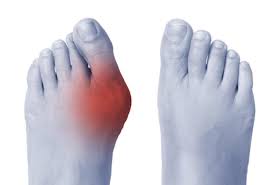
Foot Deformity Correction in Nagpur – Advanced Treatment by Dr. Siddharth Mendiratta at Asian Institute of Advanced Surgeries (AIAS)
Foot deformities can affect both the structure and function of the feet, making everyday activities such as walking or standing uncomfortable. In many cases, these deformities develop due to injuries, medical conditions, or structural abnormalities. When left untreated, they may gradually worsen and interfere with mobility and overall quality of life. Therefore, proper diagnosis and specialized treatment become essential.
Patients looking for foot deformity correction in Nagpur can receive expert care from Dr. Siddharth Mendiratta at the Asian Institute of Advanced Surgeries (AIAS). With experience in advanced reconstructive procedures and modern surgical techniques, patients receive personalized treatment designed to restore the normal structure and function of the foot.
This blog explains foot deformities, their causes, symptoms, treatment options, and the benefits of specialized medical care.
Understanding Foot Deformities
A foot deformity refers to an abnormal shape, alignment, or structure of the foot that affects its ability to function normally. These deformities may involve bones, joints, muscles, ligaments, or tendons.
Some deformities are present from birth, while others develop over time due to injuries, medical conditions, or lifestyle factors. As the deformity progresses, patients may experience pain, difficulty walking, or instability.
Fortunately, modern medical treatments and reconstructive procedures can correct many foot deformities and restore normal movement.
Why Foot Deformity Correction Is Important
Treating foot deformities early helps prevent long-term complications. When deformities remain untreated, they may lead to joint damage, chronic pain, or difficulty performing daily activities.
Foot deformity correction helps in:
- Restoring normal foot alignment
- Reducing pain and discomfort
- Improving balance and mobility
- Preventing further joint damage
- Enhancing overall quality of life
Therefore, consulting a specialist ensures that the condition receives the most appropriate treatment.
Common Types of Foot Deformities
Several types of foot deformities may affect people of different age groups. Understanding these conditions helps patients identify potential problems early.
Flat Foot (Pes Planus)
Flat foot occurs when the arch of the foot collapses, causing the entire sole to touch the ground. This condition may lead to pain, fatigue, and walking difficulties.
Hammertoe
Hammertoe is a deformity where one or more toes bend abnormally at the middle joint. Over time, this condition may cause discomfort and difficulty wearing shoes.
Claw Toe
Claw toe causes the toes to bend into a claw-like shape due to muscle imbalance. This deformity often develops in people with nerve damage or certain medical conditions.
Diabetic Foot Deformities
Diabetes can lead to nerve damage and structural changes in the foot. These deformities may increase the risk of ulcers and infections.
Post-Traumatic Deformities
Foot injuries or fractures may heal incorrectly, leading to structural deformities that require surgical correction.
Symptoms of Foot Deformities
Certain symptoms may indicate the presence of a foot deformity. Early recognition helps patients seek appropriate treatment.
Common symptoms include:
- Visible changes in the shape of the foot or toes
- Persistent foot pain or discomfort
- Difficulty walking or standing for long periods
- Swelling or stiffness in the joints
- Corns or calluses caused by abnormal pressure
- Instability while walking
If these symptoms appear, medical evaluation is recommended to determine the underlying cause.
Causes of Foot Deformities
Foot deformities may develop due to several factors. Identifying the cause helps doctors choose the most effective treatment approach.
Genetic Factors
Some people are born with structural abnormalities in the feet, which may gradually develop into deformities.
Injuries and Trauma
Accidents or fractures may damage bones and joints, leading to deformities if not treated properly.
Medical Conditions
Conditions such as diabetes, arthritis, and neurological disorders can affect foot structure and function.
Improper Footwear
Wearing tight or poorly fitted shoes for long periods may contribute to certain deformities.
Muscle Imbalance
Weak or imbalanced muscles may gradually alter the alignment of the foot.
Treatment Options for Foot Deformity Correction
The treatment for foot deformities depends on the severity of the condition. Doctors may recommend either non-surgical or surgical treatment methods.
Non-Surgical Treatments
In mild cases, non-surgical treatments may help relieve symptoms and improve foot function.
These treatments may include:
- Custom orthotic inserts
- Physical therapy and exercises
- Supportive footwear
- Pain management techniques
Surgical Correction
When deformities become severe or interfere with mobility, surgical correction may be necessary. Foot deformity correction surgery aims to restore proper alignment and function.
Surgical procedures may include:
- Bone realignment
- Joint stabilization
- Tendon or ligament repair
- Soft tissue reconstruction
Modern surgical techniques help improve recovery outcomes while preserving healthy tissue.
Importance of Early Treatment
Early diagnosis plays an important role in successful treatment. When foot deformities are identified early, doctors can prevent further structural damage and reduce the need for complex surgery.
Delayed treatment, on the other hand, may lead to worsening pain, mobility issues, and joint complications. Therefore, individuals experiencing persistent foot discomfort should seek medical evaluation promptly.
Recovery After Foot Deformity Correction
Recovery after treatment depends on the type of procedure performed and the severity of the deformity. However, proper post-treatment care significantly improves healing outcomes.
Patients may require:
- Temporary rest and limited weight-bearing
- Physiotherapy to restore mobility
- Follow-up visits for monitoring recovery
- Supportive footwear during the healing period
With proper care and rehabilitation, many patients regain comfortable mobility and improved foot function.
Preventing Foot Deformities
Although some deformities cannot be prevented, certain lifestyle habits help protect foot health.
Preventive steps include:
- Wearing properly fitted and supportive shoes
- Maintaining a healthy body weight
- Managing chronic medical conditions
- Avoiding prolonged pressure on the feet
- Seeking early treatment for foot injuries
These measures help maintain healthy foot structure and reduce the risk of complications.
Foot Deformity Correction Expertise in Nagpur
Patients seeking foot deformity correction in Nagpur can consult Dr. Siddharth Mendiratta at the Asian Institute of Advanced Surgeries (AIAS). With experience in reconstructive surgery and advanced treatment techniques, patients receive comprehensive care tailored to their individual condition.
The treatment approach focuses on accurate diagnosis, advanced surgical procedures, and continuous monitoring to ensure effective recovery and long-term foot health.
FAQs – Foot Deformity Correction in Nagpur
1. What is foot deformity correction?
Foot deformity correction is a medical treatment used to restore the normal structure and alignment of the foot affected by deformities or injuries.
2. What causes foot deformities?
Foot deformities may occur due to genetic factors, injuries, medical conditions like diabetes or arthritis, improper footwear, or muscle imbalance.
3. Can foot deformities be treated without surgery?
Yes, mild deformities may be managed with orthotic supports, physiotherapy, and proper footwear.
4. When is surgery needed for foot deformities?
Surgery may be recommended when the deformity causes severe pain, mobility problems, or structural damage.
5. Who provides foot deformity correction treatment in Nagpur?
Patients can consult Dr. Siddharth Mendiratta at Asian Institute of Advanced Surgeries (AIAS), Nagpur, for specialized treatment.
Book an Appointment with Dr. Siddharth Mendiratta
If you are experiencing diabetic foot problems, chronic wounds, foot ulcers, infections, or foot deformities, timely medical care is essential. Early diagnosis and proper treatment help prevent complications and support faster healing.
Consult Dr. Siddharth Mendiratta at Asian Institute of Advanced Surgeries (AIAS), Nagpur for expert care in diabetic foot treatment, wound care, limb salvage surgery, foot reconstruction, and advanced wound healing.
Schedule your appointment today at AIAS Nagpur and receive personalized treatment for better recovery and long-term foot health.