
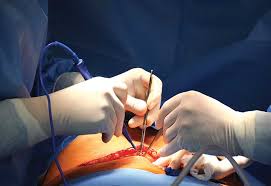
Infection Control Surgery in Nagpur – Dr Siddharth Mendiratta at Asian Institute Of Advanced Surgeries (AIAS)
Infection control surgery in Nagpur plays a major role in helping patients recover from serious infections that affect the skin, muscles, bones, soft tissues, nerves, and wounds. Infections may develop slowly or spread quickly depending on the patient’s overall health, circulation, immunity, and wound condition. Therefore, timely medical care becomes important because untreated infections may damage healthy tissues and create long-term health complications.
Patients looking for advanced infection control surgery in Nagpur can consult Dr Siddharth Mendiratta at Asian Institute Of Advanced Surgeries (AIAS). Modern infection control treatment focuses on removing infected tissues, improving blood circulation, controlling bacterial spread, supporting wound healing, restoring healthy tissues, and improving physical recovery. Furthermore, advanced reconstructive procedures and microsurgical methods now help doctors manage complex wound infections more effectively while preserving healthy structures.
Infections may occur after trauma injuries, diabetic foot ulcers, burns, pressure sores, surgical complications, chronic wounds, or severe tissue damage. In many situations, patients may experience pain, swelling, redness, discharge, fever, tissue breakdown, foul smell, or delayed healing because infections damage healthy tissues and reduce healing ability. Consequently, infection control surgery in Nagpur becomes essential for reducing complications and supporting long-term recovery.
Modern infection control treatment not only removes infection but also improves tissue health, protects surrounding skin, restores function, improves mobility, and reduces the risk of future complications. Therefore, advanced infection management supports both physical healing and emotional well-being.
According to information published by AIAS, advanced microsurgery and reconstructive procedures help improve tissue repair and support recovery after severe wounds, infections, and complex reconstructive conditions. Microsurgical methods help restore healthy circulation and tissue survival during complex wound management procedures.
Understanding Infection Control Surgery
Infection control surgery refers to specialized surgical treatment designed to remove infected tissues, stop bacterial spread, improve wound healing, and preserve healthy body structures. Normally, the body fights infections naturally through the immune system. However, severe infections may spread deeper into tissues when circulation becomes poor or wounds remain untreated.
Healthy skin and tissues usually heal after injury or surgery. However, infections may slow the healing process and damage muscles, tendons, nerves, bones, or blood vessels over time. Consequently, surgical management becomes necessary in some situations to remove infected tissues and support healthy recovery.
Several conditions may increase the risk of severe infections, including diabetes, poor blood circulation, trauma injuries, burn wounds, pressure ulcers, chronic wounds, surgical wound infections, and weak immunity. Patients with weakened immunity or long-standing medical conditions may experience slower healing and higher infection risks because the body struggles to repair tissues effectively.
Patients with diabetes often face a higher risk of severe infections because blood sugar imbalance affects nerves and blood vessels. Similarly, poor circulation may reduce oxygen supply to tissues and slow the healing process.
At Asian Institute Of Advanced Surgeries (AIAS), Dr Siddharth Mendiratta carefully studies wound depth, infection severity, circulation, tissue condition, and healing ability before planning treatment. Consequently, patients receive personalized infection control surgery according to their medical condition and recovery goals.
Why Infection Control Surgery is Important
Infection control surgery in Nagpur helps protect healthy tissues while improving healing and physical recovery. Severe infections may spread rapidly and damage muscles, bones, skin, or blood vessels if patients do not receive timely treatment.
Without proper infection control, patients may experience tissue damage, delayed wound healing, severe pain, circulation problems, functional limitations, and increased infection spread. Consequently, specialized infection control surgery becomes important for protecting healthy tissues and improving long-term recovery.
Therefore, specialized infection control treatment becomes extremely important for reducing complications and preserving healthy structures.
Modern infection control surgery helps improve:
- Tissue healing
- Infection management
- Blood circulation
- Wound recovery
- Physical comfort
- Functional movement
Additionally, advanced wound care procedures help create a healthier environment for tissue repair and skin regeneration. Consequently, many patients gradually experience smoother healing and improved mobility after treatment.
According to AIAS, reconstructive procedures and advanced wound management support tissue repair and improve long-term recovery after complex wound conditions.
Common Causes of Severe Infections
Several medical conditions and injuries may lead to severe infections requiring advanced surgical management. Some infections begin as small wounds but gradually worsen because bacteria spread deeper into tissues.
Common causes include diabetic foot ulcers, trauma injuries, burns, pressure sores, surgical wound complications, chronic ulcers, crush injuries, and poor hygiene. In many situations, delayed medical attention may allow bacteria to spread deeper into tissues and increase the severity of infection.
Smoking, uncontrolled diabetes, poor nutrition, and delayed wound care may also increase infection risks significantly. Consequently, identifying the underlying cause becomes important for successful infection control treatment.
At AIAS, detailed evaluation helps doctors identify infection sources and create accurate treatment plans.
Symptoms That Require Infection Control Surgery
Recognizing symptoms early often improves healing outcomes and reduces complications. Some infections may appear mild initially but gradually become severe if patients delay treatment.
Common symptoms include swelling around the wound, redness or skin discoloration, persistent pain, warmth around affected tissues, pus or discharge, foul smell, delayed healing, fever, or weakness. Some patients may also notice increasing wound size or blackened tissue because severe infections damage healthy skin and muscles over time.
Some patients may also notice tissue breakdown, blackened skin, or increasing wound size. Consequently, early medical care becomes important whenever these symptoms appear.
Diabetic Infections and Surgical Management
Diabetes is one of the leading causes of chronic infections because high blood sugar levels affect circulation, nerves, and tissue healing. Many diabetic patients may not notice small injuries because nerve damage reduces sensation in the feet.
Consequently, cuts, blisters, or pressure injuries may gradually become infected ulcers before patients seek treatment. Advanced infection control surgery in Nagpur for diabetic patients focuses on infection removal, wound healing, circulation improvement, tissue preservation, and long-term foot protection.
Advanced diabetic infection management may include wound cleaning, specialized dressings, infection removal procedures, tissue reconstruction, pressure management, and circulation support. These treatment methods help improve tissue healing while reducing the risk of further complications in diabetic patients.
At AIAS, diabetic infection treatment plans are customized according to wound severity, tissue condition, circulation, and healing potential.
Burn-Related Infection Control Surgery
Burn injuries may damage skin deeply and expose underlying tissues to bacterial infections. Severe burns often increase infection risks because damaged skin loses its protective function.
Infection control surgery in Nagpur for burn wounds focuses on removing infected tissues, supporting healthy skin regeneration, improving wound healing, and reducing complications.
Modern burn infection treatment may include burn wound cleaning, tissue protection, skin grafting support, reconstructive procedures, and infection management. Proper burn care helps reduce bacterial spread while supporting healthy skin regeneration and smoother recovery.
At AIAS, burn infection management is carefully planned according to burn depth, tissue damage, and healing requirements.
Trauma and Accident-Related Infections
Road accidents, crush injuries, workplace trauma, and deep wounds may expose tissues to bacteria and increase infection risks. In some situations, trauma may damage muscles, bones, nerves, or blood vessels along with the skin.
Infection control surgery in Nagpur helps restore tissue health, remove damaged tissues, improve circulation, and support recovery after severe trauma injuries.
Modern reconstructive procedures help improve:
- Tissue healing
- Wound closure
- Structural support
- Functional recovery
At AIAS, trauma-related infection treatment focuses on preserving healthy tissues while improving recovery outcomes.
Chronic Wound Infection Management
Chronic wounds may remain open for long periods because circulation problems, diabetes, pressure injuries, or poor healing prevent tissue repair. Consequently, these wounds may develop repeated infections over time.
Infection control surgery in Nagpur for chronic wounds focuses on wound cleaning, bacterial control, tissue protection, and long-term healing support.
Advanced wound care methods help improve:
- Healthy tissue growth
- Circulation support
- Infection reduction
- Wound healing
At AIAS, chronic wound treatment plans are personalized according to wound depth, tissue health, and circulation condition.
Microsurgery in Infection Control Surgery
Microsurgery plays an important role in advanced infection control procedures because surgeons often repair delicate blood vessels and tissues during reconstruction. Microsurgical methods help improve circulation and tissue survival after severe infections.
According to AIAS, microsurgery procedures help reconnect delicate blood vessels and nerves during complex wound reconstruction and tissue repair procedures. These advanced methods improve healing and long-term functional recovery.
Microsurgical procedures may help improve blood circulation, tissue survival, nerve repair, functional movement, and healing quality. Consequently, modern microsurgery significantly improves recovery outcomes in complex reconstructive infection cases.
Consequently, modern microsurgery significantly improves outcomes in complex infection management procedures.
Wound Cleaning and Debridement Procedures
Proper wound cleaning is one of the most important parts of infection control surgery in Nagpur. Damaged or infected tissues may prevent healthy healing and increase bacterial spread.
Debridement procedures remove unhealthy tissues while protecting healthy surrounding skin and muscles. Consequently, wound healing improves because healthy tissues receive better blood supply and oxygen.
Modern wound cleaning procedures help improve:
- Tissue regeneration
- Infection control
- Skin healing
- Circulation support
At AIAS, wound cleaning and tissue removal procedures are carefully customized according to infection severity and wound condition.
Reconstructive Procedures After Infection Removal
Some infections may cause tissue loss, skin damage, or structural instability. Consequently, reconstructive surgery may become necessary after infection control procedures.
Infection control surgery in Nagpur may include reconstructive treatment designed to restore skin coverage, improve tissue strength, support mobility, and protect healthy structures.
Modern reconstructive procedures may include:
- Skin grafting
- Tissue transfer procedures
- Wound closure techniques
- Soft tissue reconstruction
- Structural support procedures
At AIAS, reconstructive surgery plans are carefully designed according to tissue condition, circulation, and healing goals.
Pressure Management During Infection Recovery
Pressure on infected or healing tissues may slow recovery and increase tissue damage. Consequently, pressure management becomes an important part of infection control surgery in Nagpur.
Doctors may advise supportive footwear, pressure-relief methods, or specialized wound protection techniques to reduce stress on affected tissues.
Proper pressure management helps improve:
- Circulation
- Tissue repair
- Wound healing
- Physical comfort
At AIAS, pressure management plans are personalized according to wound location and mobility requirements.
Importance of Early Infection Treatment
Early treatment often improves healing outcomes and reduces complications linked with severe infections. Small wounds may become larger and more dangerous when patients delay medical care.
Untreated infections may increase the risk of:
- Deep tissue damage
- Severe pain
- Bone infections
- Circulation problems
- Mobility loss
- Long-term complications
Consequently, early infection control surgery helps improve healing quality and long-term recovery.
Patients should seek medical care immediately if they notice swelling, redness, discharge, foul smell, fever, or delayed wound healing.
According to AIAS, timely reconstructive treatment and advanced wound care improve tissue healing and support better long-term recovery after severe wounds or tissue injuries.
Personalized Infection Control Surgery at AIAS
Every infection affects the body differently. Therefore, personalized treatment planning remains one of the most important parts of successful infection control surgery in Nagpur.
Before treatment begins, Dr Siddharth Mendiratta carefully studies:
- Tissue condition
- Infection severity
- Blood circulation
- Wound depth
- Healing ability
- Functional limitations
This detailed evaluation helps create customized treatment plans according to the patient’s condition and recovery goals.
The main goal of treatment is not only infection removal but also restoring tissue health, improving comfort, supporting mobility, and improving long-term quality of life.
Advanced Technology Used in Infection Control Surgery
Modern infection control surgery has improved greatly because of advanced wound care technology, reconstructive procedures, and microsurgical techniques.
Today, treatment focuses on:
- Surgical precision
- Tissue preservation
- Healthy circulation
- Improved wound healing
- Faster recovery support
Advanced imaging systems and microsurgical tools help surgeons treat infections more effectively while protecting healthy tissues.
Modern reconstructive technology also helps improve treatment planning and tissue evaluation. Consequently, advanced technology plays an important role in improving infection control outcomes.
At AIAS, advanced wound care methods and reconstructive techniques help support safe and effective infection control surgery in Nagpur.
Recovery After Infection Control Surgery
Recovery after infection control surgery depends on infection severity, tissue damage, circulation, overall health, and healing response. Some temporary swelling or mild discomfort may occur during healing. However, these effects usually improve gradually with proper medical care and rehabilitation.
Doctors generally advise patients to follow wound care instructions carefully, maintain hygiene, avoid pressure on affected areas, attend regular follow-up visits, and manage blood sugar levels properly during recovery. These healthy habits support tissue repair and help reduce future infection risks.
Healthy nutrition, physiotherapy, proper hydration, and medical support also help improve healing after surgery.
Because every patient heals differently, recovery speed may vary slightly between individuals. Still, many patients gradually experience healthier healing, improved mobility, smoother recovery, and better comfort after treatment.
Functional Recovery After Infection Control Surgery
Restoring mobility and physical comfort is one of the major goals of infection control surgery in Nagpur. Severe infections may affect walking ability, hand movement, balance, or daily activities depending on the affected area.
Modern reconstructive methods strongly focus on improving:
- Physical function
- Tissue stability
- Movement comfort
- Functional mobility
- Long-term recovery
Advanced treatment methods help improve tissue repair while preserving healthy structures. Consequently, many patients gradually regain better movement and physical independence after treatment.
At AIAS, treatment focuses not only on infection management but also on healthier long-term functional recovery.
Emotional Benefits of Infection Control Treatment
Severe infections may affect emotional well-being along with physical health. Many patients may feel anxious because of pain, swelling, wound discharge, odor, or reduced mobility.
Therefore, infection control surgery in Nagpur often provides emotional improvement in addition to physical recovery.
As patients gradually experience healthier healing and improved comfort, they often feel more confident and emotionally stronger. Furthermore, improved recovery may help patients return to family activities, work, and social life more comfortably.
Consequently, infection control treatment supports both emotional wellness and physical healing.
Lifestyle Tips to Reduce Infection Risks
Healthy lifestyle habits help reduce infection risks and improve recovery after surgery. Patients who follow proper wound care and maintain overall health often experience better healing outcomes.
Helpful habits include:
- Maintaining proper hygiene
- Managing blood sugar levels
- Eating healthy foods
- Drinking enough water
- Avoiding smoking
- Attending follow-up visits
Patients should also seek medical care quickly if wounds worsen or infection symptoms appear.
Why Choose Dr Siddharth Mendiratta for Infection Control Surgery in Nagpur?
Patients choose Dr Siddharth Mendiratta at Asian Institute Of Advanced Surgeries (AIAS) because of expertise in reconstructive surgery, microsurgery, diabetic wound management, trauma reconstruction, chronic wound treatment, and advanced infection management.
At AIAS, treatment strongly focuses on:
- Personalized care
- Advanced wound healing
- Functional recovery
- Tissue preservation
- Patient safety
Moreover, every treatment plan is customized according to the patient’s condition and recovery goals. Consequently, patients receive advanced infection control surgery within a safe and professional medical environment.
The clinic also strongly focuses on healthier healing, smoother recovery, and long-term rehabilitation support after surgery.
Long-Term Benefits of Infection Control Surgery
Modern infection control surgery in Nagpur may provide long-term physical improvement when combined with proper aftercare and healthy lifestyle habits.
Many patients continue experiencing:
- Improved tissue healing
- Better mobility
- Reduced infection risks
- Improved comfort
- Healthier skin recovery
- Better physical function
In addition, advanced infection treatment often helps patients regain confidence and continue daily activities more comfortably.
Healthy lifestyle habits, proper wound care, regular medical follow-up, and personalized rehabilitation all contribute to better long-term outcomes after infection control surgery.
Importance of Follow-Up Care
Follow-up care plays an important role in infection recovery because doctors monitor wound healing, circulation, tissue health, and infection control progress during recovery.
Regular follow-up visits help doctors:
- Monitor healing progress
- Reduce infection recurrence
- Improve wound care
- Support rehabilitation
- Adjust treatment if necessary
Consequently, follow-up care helps improve long-term recovery outcomes and patient safety.
At AIAS, follow-up care plans are customized according to the patient’s condition and healing response.
Nutritional Support During Infection Recovery
Healthy nutrition helps improve tissue healing and supports recovery after infection control surgery in Nagpur. The body needs proper nutrition to repair tissues, fight infections, and maintain healthy circulation.
Patients recovering from infection control surgery are often advised to:
- Eat protein-rich foods
- Maintain balanced nutrition
- Drink enough fluids
- Manage blood sugar carefully
- Avoid unhealthy food habits
Proper nutrition supports tissue regeneration and improves the body’s natural healing process.
Advanced Wound Dressings in Infection Management
Modern wound care uses specialized dressings that help protect tissues, reduce bacterial spread, and support healthy healing.
Advanced wound dressings help improve:
- Moisture balance
- Tissue protection
- Infection control
- Healing quality
These dressings may also reduce irritation and improve patient comfort during recovery.
At AIAS, wound dressing methods are selected carefully according to tissue condition and healing needs.
Role of Circulation in Infection Healing
Healthy blood circulation plays an important role in wound healing because oxygen and nutrients reach damaged tissues through blood supply.
Poor circulation may slow healing and increase infection risks significantly. Therefore, infection control surgery in Nagpur often focuses on improving circulation while managing infections.
Modern reconstructive and microsurgical methods help improve:
- Blood flow
- Tissue oxygen supply
- Skin healing
- Long-term tissue health
Consequently, circulation improvement strongly supports healthier recovery outcomes.
Conclusion
Infection control surgery in Nagpur plays an important role in improving tissue healing, reducing bacterial spread, preserving healthy structures, restoring mobility, and supporting recovery after severe infections, diabetic wounds, trauma injuries, burns, chronic ulcers, or reconstructive conditions.
Today, advanced infection management focuses on healthy tissue regeneration, smoother recovery, improved comfort, functional rehabilitation, and personalized patient care.
For individuals seeking expert infection control surgery in Nagpur, advanced reconstructive care is available with Dr Siddharth Mendiratta at Asian Institute Of Advanced Surgeries (AIAS). Through modern wound care methods, microsurgery, reconstructive expertise, personalized treatment planning, and patient-focused care, patients can achieve healthier healing and improved long-term recovery after complex infection conditions.
FAQs
What is infection control surgery in Nagpur?
Infection control surgery in Nagpur involves specialized surgical treatment designed to remove infections, improve healing, and preserve healthy tissues.
Who provides infection control surgery in Nagpur?
Patients can consult Dr Siddharth Mendiratta at Asian Institute Of Advanced Surgeries (AIAS) for advanced infection management and reconstructive treatment.
What causes severe infections?
Diabetic wounds, burns, trauma injuries, chronic ulcers, poor circulation, and delayed wound care may cause severe infections.
What are the symptoms of severe infections?
Common symptoms include swelling, redness, discharge, foul smell, pain, fever, delayed healing, and tissue breakdown.
Can severe infections heal with proper treatment?
Yes. Modern infection control surgery and advanced wound care methods may help improve healing and reduce complications.
Why is early infection treatment important?
Early treatment helps reduce bacterial spread, improve healing quality, and prevent deeper tissue damage.
Is microsurgery used in infection control surgery?
Yes. Microsurgery may help restore circulation and repair delicate tissues during complex reconstructive procedures.
How long does recovery take after infection control surgery?
Recovery depends on infection severity, tissue condition, circulation, and the patient’s overall health.
How can patients reduce infection risks?
Patients can reduce infection risks by maintaining hygiene, managing blood sugar levels, avoiding smoking, and attending regular medical follow-up visits.
Why choose AIAS for infection control surgery in Nagpur?
Asian Institute Of Advanced Surgeries (AIAS) focuses on advanced wound care, reconstructive expertise, microsurgery, personalized treatment planning, patient safety, and healthier long-term recovery outcomes for complex infection conditions.
Book Appointment with Dr. Siddharth Mendiratta at AIAS
If you are considering cosmetic or reconstructive procedures, scheduling a consultation with Dr. Siddharth Mendiratta, Board Certified Plastic & Aesthetic Surgeon, can provide personalized guidance tailored to your needs. Early consultation ensures you understand the options, expected outcomes, and any preparatory steps required for safe and effective results.
Consultations are available at the Asian Institute of Advanced Surgeries (AIAS) in Nagpur, where patients receive a detailed assessment of their aesthetic or reconstructive requirements. During the appointment, Dr. Mendiratta reviews your medical history, evaluates the area of concern, and discusses your goals to formulate a customized treatment plan.