
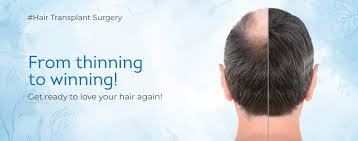
Hair Transplant in Nagpur – Dr Siddharth Mendiratta at AIAS
Although Hair transplant in Nagpur is becoming one of the most preferred cosmetic procedures for people who want to restore natural hair growth and improve confidence. Hair loss can affect appearance, self-esteem, and emotional comfort. Therefore, many individuals now choose advanced hair restoration procedures to regain fuller and healthier-looking hair.
Many people experience hair thinning, receding hairline, or bald patches because of age, genetics, stress, hormonal changes, or lifestyle factors. In some cases, hair loss develops slowly over time, while in other situations it may progress quickly. As a result, people often search for long-lasting solutions that help improve hair density and overall appearance.
Today, hair transplant procedures are not only about covering bald areas. Instead, modern hair restoration focuses on natural-looking hair growth, balanced hairline design, and smooth blending with existing hair. Therefore, advanced hair transplant procedures now help patients achieve realistic and refined cosmetic improvement.
For individuals searching for hair transplant in Nagpur, Dr Siddharth Mendiratta at AIAS offers advanced hair restoration procedures with strong focus on personalized care, patient safety, and natural-looking results. At Asian Institute Of Advanced Surgeries (AIAS), every treatment is carefully planned according to hair pattern, scalp condition, facial structure, and cosmetic goals.
Moreover, Dr Siddharth Mendiratta at AIAS carefully studies hair density, scalp quality, facial balance, and hairline pattern before designing the treatment plan. Through modern hair restoration methods and artistic planning, patients can achieve fuller hair growth and improved facial appearance while maintaining a completely natural look.
Understanding Hair Transplant Procedures
Hair transplant is a cosmetic procedure designed to restore hair growth in areas affected by thinning hair or hair loss. During the procedure, healthy hair follicles are transferred carefully to areas where hair density is lower.
Hair loss may affect both men and women. Although it is common, noticeable hair thinning or baldness may sometimes affect confidence and emotional comfort. Therefore, many individuals choose hair transplant procedures to improve both appearance and self-esteem.
Several factors may contribute to hair loss. Genetics is one of the most common causes. However, stress, poor lifestyle habits, hormonal imbalance, age-related changes, and scalp-related issues may also affect hair growth.
Many people try hair products, oils, or home remedies before considering hair transplant procedures. Although these methods may improve hair condition temporarily, they often cannot restore lost hair permanently. Therefore, hair transplant procedures are often preferred for long-term hair restoration.
Modern hair transplant in Nagpur focuses on natural hairline creation and balanced hair density instead of artificial cosmetic changes. As a result, patients can achieve smooth and realistic hair growth that blends naturally with existing hair.
At AIAS, Dr Siddharth Mendiratta carefully evaluates scalp condition, hair quality, hairline shape, and facial structure before planning treatment. Consequently, every patient receives a personalized hair restoration plan designed according to individual needs and cosmetic expectations.
Why People Choose Hair Transplant
People choose hair transplant for many cosmetic and emotional reasons. Hair strongly affects facial appearance, personality, and confidence. Therefore, restoring hair density often creates positive emotional and social changes.
Some individuals seek hair transplant because they want to restore a receding hairline, while others wish to improve hair density in thinning areas. In many cases, people simply want a younger and fresher appearance.
Hair loss may also affect social confidence and professional comfort. As a result, many individuals feel emotionally stressed because of visible hair thinning or bald patches. Restoring hair density often improves self-image and overall confidence.
Many people who undergo hair restoration report feeling more comfortable in social situations because they no longer feel self-conscious about their appearance.
Modern hair transplant procedures focus on natural-looking improvement instead of artificial hair patterns. Therefore, patients often achieve soft, balanced, and realistic hair growth that suits their facial structure naturally.
Hair Transplant by Dr Siddharth Mendiratta at AIAS
Dr Siddharth Mendiratta at AIAS provides advanced hair transplant procedures in Nagpur with strong focus on precision, patient comfort, natural-looking hairline design, and long-lasting cosmetic results.
Every person has different scalp condition, hair texture, facial proportions, and hair loss pattern. Therefore, every treatment plan is customized according to individual needs.
Before recommending treatment, Dr Siddharth Mendiratta carefully evaluates:
- Hairline pattern
- Hair density
- Scalp health
- Hair quality
- Facial proportions
- Hair loss progression
- Cosmetic expectations
As a result, patients receive personalized treatment plans specially designed according to their facial structure and hair restoration goals.
The goal of hair transplant is not only increasing hair quantity. Instead, the focus remains on creating natural hairline appearance, smooth density distribution, and balanced facial harmony.
At AIAS, treatment planning focuses on realistic and refined cosmetic improvement. Because hair restoration combines medical precision with artistic hairline planning, detailed treatment design plays an important role in creating natural-looking results.
Importance of Personalized Hairline Planning
Every face shape and hair pattern is different. Therefore, personalized hairline planning is one of the most important parts of hair transplant treatment.
At AIAS, detailed consultation helps patients understand treatment options, expected results, recovery process, and long-term cosmetic goals.
Hairline design strongly affects facial appearance because even small changes in hairline position may influence facial balance. Therefore, careful planning is necessary to maintain natural-looking facial proportions.
During consultation, scalp condition, hair density, facial structure, hairline symmetry, and hair texture are carefully evaluated. These factors help guide treatment planning and improve cosmetic outcomes.
Dr Siddharth Mendiratta carefully designs hairline shape according to the patient’s age, facial features, and natural hair pattern. As a result, patients often achieve realistic and proportionate hair restoration.
Personalized planning also helps improve density balance and smooth blending with existing hair.
Modern Hair Transplant Techniques
The Modern hair restoration techniques have improved greatly over the years. Today, advanced procedures focus on natural hair growth patterns, refined graft placement, smoother density, and realistic cosmetic outcomes.
Modern hair transplant procedures may help improve hairline definition, hair density, facial balance, and overall appearance.
At AIAS, Dr Siddharth Mendiratta carefully performs hair restoration procedures to maintain natural hair direction and balanced density.
Modern techniques now focus on creating realistic hair growth instead of unnatural hair plugs or uneven density. Therefore, patients often achieve elegant and natural-looking cosmetic improvement.
Advanced hair transplant methods also help improve blending between transplanted and existing hair. As a result, hair restoration appears softer and more natural.
Modern procedures additionally focus on minimizing visible scarring and supporting healthy healing. Therefore, many patients experience smoother recovery and improved cosmetic outcomes.
Importance of Natural-Looking Results
Today, most people prefer natural-looking hair restoration instead of artificial hairline appearance. Therefore, modern hair transplant procedures strongly focus on realistic and proportionate hairline design.
Dr Siddharth Mendiratta carefully maintains facial balance and natural hairline shape during every procedure. As a result, patients achieve fuller hair growth while preserving natural facial harmony.
Natural-looking hair transplant often appears softer, more refined, and more realistic because the overall hair pattern remains balanced.
At AIAS, every procedure is carefully planned to avoid unnatural density or artificial hairline shapes.
Natural cosmetic improvement usually creates greater satisfaction because the restored hair blends naturally with facial structure and existing hair pattern.
Emotional Benefits of Hair Transplant
Hair appearance strongly affects confidence, self-image, and emotional comfort. Therefore, restoring hair density often creates positive emotional changes as well.
Many individuals choosing hair transplant in Nagpur report improved confidence and better emotional comfort in daily life. Some people feel more confident during social interactions, while others notice improved professional confidence.
Hair restoration may also help individuals feel younger and more refreshed because fuller hair often improves facial appearance significantly.
Many patients report feeling emotionally stronger after treatment because improved appearance often positively affects mental comfort and self-confidence.
Even moderate hair restoration can create major emotional benefits because hair strongly influences overall appearance and personality.
Recovery After Hair Transplant
The Recovery after hair transplant depends on the procedure performed, scalp condition, and individual healing response.
Some temporary symptoms may include mild swelling, scalp sensitivity, redness, or temporary discomfort during healing. However, these symptoms gradually improve with proper care and recovery support.
Patients are usually advised to follow scalp care instructions carefully and avoid unnecessary pressure on treated areas during early recovery.
Good hydration, scalp hygiene, and regular follow-up care also help support healthy healing and long-term cosmetic improvement.
Because every person heals differently, recovery timelines may vary slightly between patients. Still, most individuals gradually notice improvement in hair growth and density over time.
Hair growth after transplant usually develops gradually because newly transplanted follicles need time to establish healthy growth patterns.
Long-Lasting Results After Hair Transplant
Hair transplant procedures provide long-lasting cosmetic improvement when combined with proper scalp care and healthy lifestyle habits.
Modern hair restoration methods focus on balanced and natural improvement instead of temporary cosmetic changes. Therefore, results often appear realistic and long-lasting.
Many patients continue enjoying improved hair density and natural-looking hairline definition for many years after treatment.
Maintaining healthy scalp care habits may also help preserve overall hair quality and appearance. Good nutrition, hydration, and stress management may further support healthy hair condition.
Long-lasting cosmetic improvement often helps individuals maintain confidence and satisfaction with their appearance over time.
Importance of Scalp Health in Hair Restoration
Scalp health plays an important role in hair transplant procedures because healthy scalp condition supports better healing and improved hair growth.
At AIAS, scalp condition is carefully evaluated before planning treatment. Factors such as scalp elasticity, hair quality, and healing response help guide treatment planning.
Healthy scalp condition may improve healing support, hair growth quality, and long-term cosmetic results.
Therefore, detailed scalp evaluation remains an important part of personalized hair restoration planning.
At AIAS, treatment planning focuses not only on restoring hair growth but also on supporting healthy scalp condition and balanced cosmetic improvement.
Maintaining Facial Balance Through Hairline Design
Hairline design is extremely important during hair transplant because the goal is to create harmony between hair growth and facial structure.
At AIAS, procedures are carefully planned according to forehead proportions, facial symmetry, natural hair pattern, and overall facial harmony.
As a result, patients often achieve smoother and more proportionate facial appearance after treatment.
Balanced hairline restoration usually creates more elegant and realistic results because the face remains natural and proportionate.
Dr Siddharth Mendiratta carefully studies facial balance during treatment planning so the restored hairline complements overall appearance naturally.
Importance of Safe Hair Restoration Care
Safety remains one of the most important parts of hair transplant procedures. Therefore, modern hair restoration strongly focuses on careful planning, scalp evaluation, and personalized patient care.
At AIAS, patient safety remains a major priority throughout every stage of treatment.
Several important factors help support safe cosmetic care:
- Detailed consultation
- Personalized treatment planning
- Careful scalp evaluation
- Modern hair restoration methods
- Proper recovery guidance
- Regular follow-up care
Because every patient has unique hair restoration needs, individualized care helps improve both safety and cosmetic outcomes.
Confidence After Hair Transplant
The Confidence often improves after hair transplant because many individuals feel more comfortable with their appearance.
Improving hair density may help improve facial appearance, emotional comfort, social confidence, and overall self-esteem.
Many individuals also report feeling emotionally stronger and more positive after hair restoration treatment.
Although cosmetic improvement is important, emotional comfort also plays a major role in overall satisfaction after hair transplant procedures.
Improved appearance often motivates individuals to maintain healthier lifestyle habits and better self-care routines as well.
Why Choose Dr Siddharth Mendiratta at AIAS for Hair Transplant in Nagpur?
Patients choose Dr Siddharth Mendiratta at AIAS for hair transplant in Nagpur because of personalized care, advanced hair restoration methods, patient-focused planning, and natural-looking results.
Every procedure is carefully customized according to hairline goals, facial structure, scalp condition, and overall appearance balance.
At AIAS, treatment planning focuses on achieving smooth and realistic hair restoration while maintaining natural facial harmony.
The combination of personalized planning, advanced cosmetic methods, careful hairline design, and patient-focused care helps patients achieve balanced and refined cosmetic outcomes.
Most importantly, every procedure aims to improve appearance and confidence while maintaining completely natural-looking hair growth.
Advanced Patient Support at AIAS
Patient support is an important part of cosmetic care at AIAS. From consultation to recovery, every patient receives guidance and support throughout the treatment journey.
Patients are carefully guided regarding treatment planning, recovery expectations, scalp care, healing process, aftercare support, and follow-up visits.
Clear communication helps patients feel more informed and comfortable during every stage of treatment.
Supportive care also helps improve overall treatment experience and long-term confidence.
Long-Term Satisfaction After Hair Transplant
Many individuals continue feeling satisfied with their hair transplant results for years after treatment. Natural-looking hair growth, balanced hairline restoration, and improved facial appearance often contribute to long-term confidence.
Healthy scalp care habits and proper follow-up support may help maintain long-term hair quality and cosmetic outcomes.
At AIAS, treatment planning focuses not only on immediate cosmetic improvement but also on long-term appearance balance and patient satisfaction.
Conclusion
Hair transplant in Nagpur provides advanced solutions for restoring hair growth, improving hair density, enhancing facial appearance, and rebuilding confidence. Today, modern hair restoration procedures focus on natural-looking hairline design, balanced hair density, and personalized cosmetic care instead of artificial cosmetic changes.
For individuals seeking hair transplant in Nagpur, Dr Siddharth Mendiratta at AIAS offers advanced hair restoration procedures using modern techniques, personalized planning, and patient-focused care.
Through careful scalp evaluation, refined hairline design, and attention to facial balance, patients can achieve fuller, smoother, and more natural-looking hair growth while maintaining realistic facial harmony.
FAQs
What is a hair transplant?
Hair transplant is a cosmetic procedure designed to restore hair growth in areas affected by hair thinning or hair loss.
Why do people choose hair transplant?
People choose hair transplant to improve hair density, restore hairline shape, and improve overall appearance.
Will hair transplant results look natural?
Yes. Modern hair transplant procedures focus on natural-looking hairline design and balanced hair density.
Is hair transplant safe?
Modern hair transplant procedures are generally safe when performed using proper cosmetic standards and advanced methods.
How long does recovery take after hair transplant?
Recovery depends on the procedure performed and individual healing response. However, most patients gradually return to normal activities within a few days.
Can hair transplant improve confidence?
Yes. Many individuals feel more confident and comfortable with their appearance after hair restoration treatment.
Are hair transplant results long-lasting?
Yes. Results are generally long-lasting with proper scalp care and healthy lifestyle habits.
Why is personalized treatment important?
Every face shape and hair pattern is different. Therefore, personalized planning helps create balanced and natural-looking results.
Does hair transplant leave scars?
Modern hair restoration methods focus on minimizing visible scarring while creating natural-looking hair growth.
Why choose Dr Siddharth Mendiratta at AIAS?
Dr Siddharth Mendiratta at AIAS focuses on personalized care, advanced hair restoration methods, patient safety, and natural-looking cosmetic results.
Book Appointment with Dr. Siddharth Mendiratta at AIAS
If you are considering cosmetic or reconstructive procedures, scheduling a consultation with Dr. Siddharth Mendiratta, Board Certified Plastic & Aesthetic Surgeon, can provide personalized guidance tailored to your needs. Early consultation ensures you understand the options, expected outcomes, and any preparatory steps required for safe and effective results.
Consultations are available at the Asian Institute of Advanced Surgeries (AIAS) in Nagpur, where patients receive a detailed assessment of their aesthetic or reconstructive requirements. During the appointment, Dr. Mendiratta reviews your medical history, evaluates the area of concern, and discusses your goals to formulate a customized treatment plan.