
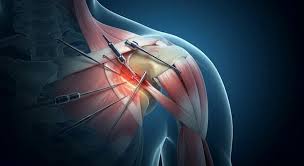
Shoulder Arthroscopy in Nagpur – Treatment by Dr. Siddharth Jain
Understanding Shoulder Arthroscopy In Nagpur
Many patients search for shoulder arthroscopy in Nagpur when shoulder pain, stiffness, instability, or limited arm movement begins affecting daily life. This minimally invasive shoulder procedure helps doctors diagnose and treat internal joint problems with precision. During the procedure, surgeons use tiny incisions and a small camera called an arthroscope to examine the shoulder joint clearly. At Asian Institute of Advanced Surgeries, Dr. Siddharth Jain uses arthroscopic shoulder surgery to identify rotator cuff tears, ligament injuries, cartilage damage, and other internal shoulder conditions.
What Is Shoulder Arthroscopy
Shoulder arthroscopy is a minimally invasive orthopedic procedure that helps doctors diagnose and treat shoulder joint conditions while minimizing damage to nearby tissues. During shoulder arthroscopy in Nagpur, surgeons insert a small camera and surgical instruments through tiny cuts around the shoulder. The camera sends real-time images to a monitor, allowing accurate assessment of ligaments, tendons, cartilage, and surrounding structures. Compared to open surgery, this arthroscopic shoulder treatment usually results in smaller scars, less pain, and quicker recovery.
Conditions Treated With Shoulder Arthroscopy
Doctors commonly use to treat rotator cuff tears, shoulder instability, cartilage injuries, frozen shoulder symptoms, and chronic tendon irritation. This minimally invasive shoulder surgery allows surgeons to inspect shoulder structures closely and repair damaged tissues during the same procedure when required. Patients with long-term shoulder pain that does not improve with physiotherapy or medications may also benefit from arthroscopic evaluation.
Symptoms That May Need Shoulder Arthroscopy In Nagpur
Persistent pain during arm movement, weakness, clicking sensations, stiffness, or repeated shoulder dislocations may indicate internal joint damage. Difficulty lifting objects or performing sports activities can also suggest deeper shoulder problems. In such situations, minimally invasive shoulder treatment may help improve mobility and reduce pain. Patients with ongoing shoulder discomfort often consider when physiotherapy or medicines do not provide enough relief. Dr. Siddharth Jain carefully evaluates each patient before recommending shoulder arthroscopy in Nagpur.
Common Causes of Shoulder Joint Problems
Shoulder injuries often develop from repetitive overhead activities, sports strain, sudden trauma, or age-related wear of tissues. Activities such as swimming, tennis, cricket, and weightlifting can place repeated stress on tendons and ligaments. Falls or accidents may also lead to cartilage damage or ligament tears. Over time, these shoulder conditions may require or arthroscopic shoulder surgery to restore joint stability and movement. Doctors may recommend when shoulder pain and restricted movement continue despite conservative treatment.
Diagnostic Evaluation Before Shoulder Arthroscopy In Nagpur
Before recommending shoulder arthroscopy in Nagpur, Dr. Siddharth Jain carefully checks the patient’s symptoms, daily activities, and injury history. He also examines shoulder movement, strength, and joint stability during the physical check-up. Imaging tests such as X-rays or MRI scans help doctors view tendons, ligaments. This detailed check helps doctors choose the right shoulder treatment and decide whether shoulder arthroscopy in Nagpur is suitable for the patient.
Conservative Treatment Before Shoulder Arthroscopy In Nagpur
Many shoulder problems improve with non-surgical treatment when doctors identify them early. Physiotherapy exercises may help improve shoulder movement, strength, and flexibility while reducing pain. Doctors may also suggest rest, activity changes, and medicines to reduce swelling and discomfort before considering. However, if symptoms continue despite these treatments may help treat deeper shoulder joint problems more effectively and improve daily shoulder movement.
Benefits of Minimally Invasive Shoulder Surgery
One major benefit of shoulder arthroscopy in Nagpur is the minimally invasive technique. Small cuts usually cause less pain, smaller scars, and faster recovery compared to traditional surgery. This minimally invasive shoulder procedure also allows surgeons to see internal joint structures clearly, helping them diagnose and treat shoulder problems accurately. Because shoulder arthroscopy in Nagpur causes less tissue damage, many patients regain shoulder strength and movement more quickly after treatment.
Recovery After Shoulder Arthroscopy
Recovery after shoulder arthroscopy in Nagpur depends on the type of shoulder injury and the repair performed during surgery. Smaller incisions and reduced tissue damage often support quicker healing and rehabilitation after arthroscopic shoulder surgery. Physiotherapy remains an important part of recovery because it helps restore shoulder movement, strength, and stability gradually. Patients undergoing shoulder arthroscopy in Nagpur usually begin with gentle exercises before progressing to strengthening activities and daily movement training.
Preventive Care for Long-Term Shoulder Health
Maintaining shoulder health after arthroscopic shoulder treatment requires regular exercise, balanced movement habits, and muscle strengthening. Stretching and stability exercises help protect shoulder joints during daily tasks and sports activities. Low-impact exercises such as swimming and controlled resistance training can improve long-term shoulder strength. Following these preventive measures may reduce future injuries and support healthy shoulder function.
FAQs
Frequently Asked Questions About Shoulder Arthroscopy In Nagpur
1. What conditions can be treated with shoulder arthroscopy in Nagpur?
Doctors commonly use shoulder arthroscopy in Nagpur to treat rotator cuff tears, shoulder instability, cartilage damage, tendon irritation, and persistent shoulder pain that does not improve with conservative treatment. This minimally invasive shoulder procedure helps doctors diagnose and repair internal shoulder problems more accurately.
2. How long is recovery after shoulder arthroscopy in Nagpur?
Recovery after shoulder arthroscopy in Nagpur varies depending on the injury and the type of repair performed. Many patients experience reduced pain and begin rehabilitation soon after arthroscopic shoulder surgery. Physiotherapy and strengthening exercises gradually help restore shoulder movement and stability over the following weeks.
3. Is shoulder arthroscopy painful?
Because shoulder arthroscopy in Nagpur uses small incisions and causes minimal tissue damage, patients usually experience less pain compared to traditional open shoulder surgery. Doctors may also recommend pain management and physiotherapy to support comfort and recovery after minimally invasive shoulder treatment.
4. Do I need physiotherapy after shoulder arthroscopy?
Yes, physiotherapy plays an important role after shoulder arthroscopy in Nagpur. Rehabilitation exercises help restore shoulder range of motion, improve strength, and increase joint stability. Proper physiotherapy also supports safer recovery after arthroscopic shoulder surgery.
5. Can shoulder arthroscopy prevent future shoulder problems?
When combined with strengthening exercises, warm-up routines, and balanced movement habits, shoulder arthroscopy in Nagpur may support long-term shoulder joint health. Following preventive care and rehabilitation guidance after minimally invasive shoulder surgery may also help reduce the risk of future shoulder injuries.
Book Appointment with Dr. Siddharth Jain at AIAS
If you are experiencing joint discomfort, restricted movement, or any musculoskeletal concerns, scheduling a consultation with Dr. Siddharth Jain can help you better understand your condition and explore appropriate care options. Early evaluation often helps patients address symptoms before they begin to interfere with everyday activities and mobility.
Consultations are available at Asian Institute of Advanced Surgeries (AIAS) in Nagpur, where patients receive a structured orthopaedic assessment focused on identifying factors affecting bone, joint, and movement health. During the visit, individuals can discuss their symptoms, medical history, lifestyle habits, and physical activity levels.