
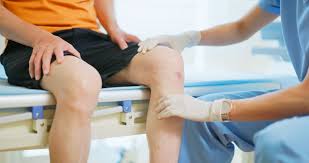
Cartilage Injury Treatment In Nagpur – Treatment by Dr. Siddharth Jain
Asian Institute of Advanced Surgeries provides orthopedic evaluation for patients experiencing joint pain, stiffness, or limited movement caused by cartilage damage. Cartilage plays an important role in protecting joints because it allows bones to move smoothly and absorb shock during daily activities. When this tissue becomes damaged, patients may experience persistent discomfort and difficulty with movement. Therefore, individuals searching for cartilage injury treatment in Nagpur often seek expert evaluation to understand the underlying cause of joint pain.
Moreover, Dr. Siddharth Jain evaluates cartilage injuries through structured clinical assessment and imaging studies. At Asian Institute of Advanced Surgeries, the focus remains on identifying the location and severity of cartilage damage before recommending an appropriate management plan.
Understanding Cartilage Injuries in Joints
Cartilage is a strong yet flexible tissue that covers the ends of bones inside joints and helps reduce friction during movement. When cartilage becomes damaged, the joint may lose its smooth movement and shock-absorbing ability.
Consequently, cartilage injuries often affect joints such as the knee, shoulder, hip, or ankle. These injuries may develop after trauma, sports accidents, or long-term wear and tear. If untreated, cartilage damage can gradually worsen and may lead to long-term joint problems.
Common Causes of Cartilage Damage
Cartilage Injury Treatment In Nagpur
Cartilage injuries usually occur due to sudden trauma or repetitive stress on a joint. Sports activities, falls, and twisting injuries are common causes of cartilage damage.
Additionally, repetitive joint movements during running, jumping, or heavy lifting may gradually weaken cartilage over time. Some injuries also develop after ligament tears or joint instability. Therefore, identifying the cause of cartilage damage helps guide appropriate treatment planning.
Symptoms of Cartilage Injury in the Joint
Patients with cartilage injuries often experience persistent joint pain that worsens during activity. Swelling around the joint may develop gradually and can limit movement.
Some individuals also notice clicking, grinding, or locking sensations while moving the affected joint. In certain cases, the joint may feel unstable or give way during movement. These symptoms occur because damaged cartilage reduces the smooth motion between bones.
Diagnostic Evaluation by Dr. Siddharth Jain
Cartilage Injury Treatment In Nagpur
Accurate diagnosis is essential before starting treatment for cartilage injuries. Therefore, Dr. Siddharth Jain conducts a detailed physical examination to assess joint stability, pain location, and movement restrictions.
Additionally, imaging tests such as X-rays or MRI scans may be recommended to evaluate cartilage damage and surrounding structures. MRI scans are particularly useful because cartilage tissue cannot be clearly seen on standard X-rays.
Non-Surgical Cartilage Injury Treatment in Nagpur
Many cartilage injuries can initially respond well to conservative treatment methods. These treatments focus on reducing inflammation, relieving pain, and improving joint stability.
Common non-surgical methods include physiotherapy exercises, activity modification, and anti-inflammatory medications. Doctors may also advise patients to rest and use supportive braces to protect the affected joint during recovery. Additionally, doctors may use injection therapies such as hyaluronic acid or platelet-rich plasma to help reduce joint inflammation.
Patients can learn more about our orthopedic treatments to understand how conservative care supports joint healing.
Arthroscopy for Cartilage Injury Treatment in Nagpur
Arthroscopy is a minimally invasive technique used to examine and treat joint problems. During arthroscopy, a small camera is inserted into the joint through a tiny incision, allowing doctors to view cartilage surfaces clearly.
This technique helps identify cartilage tears, loose fragments, and other joint abnormalities. Consequently, arthroscopy may assist in diagnosing cartilage injuries and guiding treatment decisions for patients with persistent joint symptoms.
Cartilage Repair and Restoration Procedures
In some cases, surgical procedures may be considered when cartilage damage is severe or does not respond to conservative treatment. Cartilage restoration techniques aim to repair the damaged area or stimulate the growth of new cartilage tissue.
These procedures focus on improving joint function and reducing pain caused by damaged cartilage surfaces. Additionally, addressing associated injuries such as ligament tears during surgery may help improve long-term joint stability.
Preventing Cartilage Injuries and Joint Damage
Preventive care plays an important role in protecting joint cartilage. Maintaining strong muscles around joints helps distribute pressure evenly during movement.
Additionally, warming up before physical activity reduces the risk of sudden joint injuries. Maintaining a healthy body weight also helps reduce excessive stress on weight-bearing joints such as the knee and hip. Patients interested in prevention strategies can read about joint care treatments for long-term musculoskeletal health.
Lifestyle Factors That Influence Cartilage Health
Daily habits can significantly affect joint health and cartilage durability. Regular low-impact exercises such as swimming or cycling help maintain joint flexibility without excessive strain.
Balanced nutrition also supports tissue repair and joint health. Moreover, avoiding repetitive high-impact activities may reduce the risk of cartilage degeneration. Patients can explore related orthopedic services to understand rehabilitation approaches that promote long-term joint function.
Why Choose Dr. Siddharth Jain at Asian Institute of Advanced Surgeries
At Asian Institute of Advanced Surgeries, Dr. Siddharth Jain focuses on detailed patient evaluation before recommending any treatment. First, symptoms and activity patterns are carefully reviewed to understand how the joint problem affects daily movement.
Next, physical examination and diagnostic tests help determine the location and severity of cartilage damage. Additionally, patient education remains an important part of consultations because understanding preventive care and rehabilitation strategies helps support long-term joint health.
Long-Term Joint Health After Cartilage Injury
Managing cartilage injuries often requires ongoing attention to joint health. Strengthening surrounding muscles improves joint stability and reduces pressure on damaged cartilage.
Additionally, gradual return to physical activities helps prevent re-injury during recovery. Patients searching for cartilage injury treatment in Nagpur often benefit from structured rehabilitation programs that focus on restoring joint mobility and maintaining long-term musculoskeletal function.
FAQs – Cartilage Injury Treatment in Nagpur
1. What is a cartilage injury?
A cartilage injury occurs when the protective tissue covering joint surfaces becomes damaged. This damage can cause pain, swelling, stiffness, and difficulty moving the affected joint.
2. Which joints are commonly affected by cartilage damage?
Cartilage injuries most commonly affect the knee joint, but they can also occur in the hip, shoulder, ankle, and elbow joints.
3. Can cartilage heal on its own?
Cartilage has limited blood supply, so healing may be slow. Minor injuries may improve with rest and rehabilitation, but severe damage may require medical treatment.
4. How is cartilage injury diagnosed?
Doctors usually perform physical examinations and imaging tests such as MRI scans to evaluate cartilage damage and surrounding joint structures.
5. How can cartilage injuries be prevented?
Maintaining strong muscles, using proper exercise techniques, warming up before sports, and maintaining healthy body weight can help protect joint cartilage.
Book Appointment with Dr. Siddharth Jain at AIAS
If you are experiencing joint discomfort, restricted movement, or any musculoskeletal concerns, scheduling a consultation with Dr. Siddharth Jain can help you better understand your condition and explore appropriate care options. Early evaluation often helps patients address symptoms before they begin to interfere with everyday activities and mobility.
Consultations are available at Asian Institute of Advanced Surgeries (AIAS) in Nagpur, where patients receive a structured orthopaedic assessment focused on identifying factors affecting bone, joint, and movement health. During the visit, individuals can discuss their symptoms, medical history, lifestyle habits, and physical activity levels.