
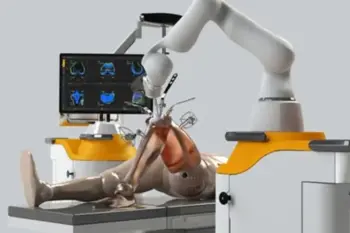
Robotic Joint Replacement In Nagpur
Robotic Joint Replacement In Nagpur Under the care of Dr. Abhishek Bhalotia at Asian Institute Of Advanced Surgeries, patients receive comprehensive orthopedic evaluation, personalized treatment planning, and guidance on advanced procedures including robotic-assisted joint replacement. The institute focuses on modern orthopedic care and patient-centered treatment for individuals dealing with joint disorders.
Robotic Joint Replacement In Nagpur involves the use of robotic-assisted technology that helps orthopaedic surgeons plan and perform joint replacement procedures with detailed imaging and computer guidance. This technology allows surgeons to evaluate the patient’s anatomy carefully and create a customized surgical plan before the procedure.
Patients experiencing chronic joint discomfort often consult orthopaedic specialists to explore available treatment options. When conservative treatments such as medication, physiotherapy, and lifestyle adjustments are not effective, doctors may evaluate whether Robotic Joint Replacement In Nagpur could be considered as part of the treatment approach.
Understanding Robotic Joint Replacement In Nagpur
Robotic-assisted joint replacement is a modern surgical technique that supports surgeons in planning and performing joint replacement procedures. It uses digital imaging, computer mapping, and robotic technology to assist with accurate placement of joint implants.
During Robotic Joint Replacement In Nagpur, the orthopaedic surgeon uses specialised software to study the patient’s joint structure before surgery. Consequently, this detailed planning helps the surgeon determine the optimal position of the artificial joint components.
At Asian Institute Of Advanced Surgeries, orthopaedic specialists use advanced imaging and surgical planning technologies to evaluate joint conditions and create personalised treatment plans for patients.
Although robotic technology supports the procedure, the orthopaedic surgeon performs and controls every step of the surgery. Furthermore, the surgeon continuously monitors implant positioning, joint alignment, and surgical precision throughout the procedure.
Conditions That May Require Robotic Joint Replacement In Nagpur
Several joint conditions may lead patients to consult orthopaedic surgeons for evaluation. In some cases, robotic-assisted joint replacement may be discussed depending on the severity of the condition.
Common conditions include:
- Osteoarthritis
- Rheumatoid arthritis
- Degenerative joint disease
- Severe knee joint damage
- Hip joint deterioration
- Post-traumatic joint conditions
Patients experiencing persistent joint pain and mobility limitations may consult Dr. Abhishek Bhalotia at Asian Institute Of Advanced Surgeries to understand whether Robotic Joint Replacement In Nagpur could be an appropriate treatment option.
Robotic Knee Replacement In Nagpur
Knee joints are among the most commonly affected joints in arthritis and age-related degeneration. Pain, stiffness, and difficulty walking can significantly affect daily activities.
Robotic Joint Replacement In Nagpur for knee conditions involves replacing the damaged portion of the knee joint with artificial components. Robotic technology assists surgeons in creating a precise surgical plan based on the patient’s anatomy.
At Asian Institute Of Advanced Surgeries, patients undergo detailed orthopaedic evaluation to assess joint health and determine the appropriate treatment approach.
Robotic-assisted knee replacement may help surgeons evaluate bone alignment and implant positioning before the surgery begins.
Robotic Hip Replacement In Nagpur
Hip joint damage can result from arthritis, injury, or long-term joint wear. Symptoms may include pain in the hip or groin area, reduced movement, and difficulty walking.
In Robotic Joint Replacement In Nagpur, hip replacement procedures use robotic guidance to assist the surgeon in planning implant placement and alignment. Preoperative imaging helps create a detailed map of the hip joint.
This technology-assisted approach helps surgeons perform hip replacement procedures with careful planning and evaluation.
At Asian Institute Of Advanced Surgeries, orthopaedic specialists focus on comprehensive patient evaluation and advanced surgical planning techniques.
Benefits of Robotic Joint Replacement
Modern orthopaedic technology has significantly improved surgical planning and patient care. Consequently, many orthopaedic specialists now use advanced systems to support better precision and treatment planning. Some potential advantages of Robotic Joint Replacement include:
- Personalised surgical planning
- Improved understanding of joint anatomy
- Digital mapping before surgery
- Support for precise implant positioning
- Reduced variability during surgery
- Assistance in protecting surrounding tissue
Furthermore, these advanced features help orthopaedic surgeons perform joint replacement procedures with greater accuracy and improved planning support. As a result, surgeons can better evaluate joint structure and alignment before surgery.
At Asian Institute Of Advanced Surgeries, modern orthopaedic infrastructure supports detailed diagnosis, advanced imaging, and structured treatment planning for patients experiencing joint problems.
Non-Surgical Treatments Before Robotic Joint Replacement
Orthopaedic specialists usually recommend non-surgical treatment options before they consider joint replacement surgery. In many cases, conservative treatments help reduce pain and improve joint mobility.
Physiotherapy and Rehabilitation
Physiotherapy strengthens the muscles surrounding the joints and improves flexibility. Additionally, guided rehabilitation exercises help support balance, mobility, and joint stability. Therefore, doctors often recommend physiotherapy as a first-line treatment for joint pain.
Medication and Pain Management
Doctors may prescribe medications to manage inflammation and reduce joint discomfort. Moreover, pain management strategies may help patients continue daily activities more comfortably.
Lifestyle Modifications
Lifestyle factors such as weight management, regular physical activity, and ergonomic posture can support joint health and reduce stress on the joints. Furthermore, healthy lifestyle habits may help slow joint degeneration and improve long-term mobility.
However, if these treatments do not provide sufficient relief, doctors may evaluate patients for procedures such as Robotic Joint Replacement.
At Asian Institute Of Advanced Surgeries, specialists often combine physiotherapy, lifestyle guidance, and orthopaedic evaluation to support overall joint health and mobility.
Recovery After Robotic Joint Replacement
Recovery after joint replacement surgery varies from patient to patient. Several factors influence recovery, including overall health, rehabilitation progress, and commitment to physiotherapy programs.
Patients undergoing Robotic Joint Replacement usually participate in rehabilitation programs designed to improve mobility and strengthen the muscles around the joint. In addition, physiotherapy helps patients gradually return to daily activities safely and effectively.
Physiotherapy also plays an important role in restoring movement, improving flexibility, and supporting long-term joint function. Consequently, regular rehabilitation sessions contribute to better recovery outcomes and improved physical confidence.
At Asian Institute Of Advanced Surgeries, doctors and rehabilitation specialists provide guidance on physiotherapy, recovery planning, and post-surgical care following orthopaedic procedures.
When to Consult Dr. Abhishek Bhalotia for Robotic Joint Replacement In Nagpur?
Individuals experiencing persistent joint pain or mobility limitations may consider consulting an orthopaedic specialist. Early evaluation can help identify the underlying cause of joint discomfort and support timely treatment planning.
Common symptoms include:
- Severe knee or hip pain
- Difficulty walking or standing for long periods
- Joint stiffness
- Reduced range of motion
- Swelling around joints
- Joint pain that interferes with daily activities
During consultation, Dr. Abhishek Bhalotia at Asian Institute Of Advanced Surgeries carefully evaluates medical history, diagnostic imaging, and physical examination findings before recommending appropriate treatment options. Furthermore, if necessary, he may discuss advanced procedures including Robotic Joint Replacement In Nagpur.
Why Choose Dr. Abhishek Bhalotia at Asian Institute Of Advanced Surgeries for Robotic Joint Replacement In Nagpur?
Patients in Nagpur often seek orthopaedic specialists who provide comprehensive evaluation and modern treatment approaches. Therefore, many individuals prefer clinics that offer advanced technology along with personalised patient care.
Expertise in Orthopaedic Surgery
Dr. Abhishek Bhalotia evaluates and treats various orthopaedic conditions including joint pain, sports injuries, and degenerative joint diseases. Moreover, he provides detailed consultation and structured treatment planning based on patient needs.
Advanced Orthopaedic Technology
Asian Institute Of Advanced Surgeries focuses on modern orthopaedic care and advanced surgical planning techniques including Robotic Joint Replacement In Nagpur. Consequently, patients benefit from improved diagnostic evaluation and technology-assisted surgical planning.
Personalised Patient Care
Every patient receives individualised consultation and treatment planning based on their specific condition, activity level, and lifestyle. In addition, doctors guide patients regarding treatment options, rehabilitation, and preventive joint care.
Comprehensive Joint Care
At Asian Institute Of Advanced Surgeries, specialists provide complete orthopaedic care including diagnosis, treatment planning, rehabilitation guidance, and preventive advice for long-term joint health. Furthermore, the clinic supports patients throughout every stage of treatment and recovery.
Frequently Asked Questions (FAQ) For Robotic Joint Replacement
1. What is Robotic Joint Replacement In Nagpur?
Robotic Joint Replacement In Nagpur is a technology-assisted orthopaedic procedure where robotic systems support surgeons in planning and performing joint replacement surgery.
2. Which joints can be treated with robotic joint replacement?
Robotic-assisted surgery is commonly used for knee and hip joint replacement procedures.
3. Is robotic joint replacement surgery performed entirely by robots?
No. The orthopaedic surgeon performs the procedure while the robotic system assists with planning and precision.
4. Who may be considered for robotic joint replacement?
Patients with severe joint damage, arthritis, or persistent mobility limitations may be evaluated by an orthopaedic surgeon.
5. Are non-surgical treatments tried before robotic surgery?
Yes. Doctors usually recommend physiotherapy, medication, and lifestyle adjustments before considering surgical procedures.
Book Appointment with Dr. Abhishek Bhalotia at AIAS
If you are experiencing joint pain, limited mobility, or considering advanced joint replacement options, scheduling a consultation with Dr. Abhishek Bhalotia, MS Ortho, Fellow Joint Replacement (Hyd, UK), Robotic Joint Replacement Surgeon, can help you explore the most precise and effective treatment solutions. Early evaluation ensures that your symptoms are addressed before they affect daily activities and long-term joint health.
Consultations are available at the Asian Institute of Advanced Surgeries (AIAS) in Wardha, where Dr. Bhalotia provides a thorough orthopedic assessment, reviews your medical history, evaluates joint function, and discusses lifestyle and activity factors. This helps in creating a tailored plan for robotic-assisted or conventional joint replacement, depending on your needs.