
Frozen Shoulder Treatment in Nagpur – Treatment by Dr. Siddharth Jain
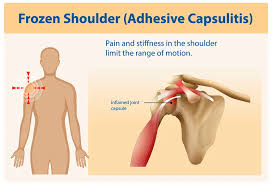
Frozen shoulder, or adhesive capsulitis, causes stiffness, pain, and limited range of motion in the shoulder joint, making daily activities difficult. Therefore, consulting a specialist for frozen shoulder treatment in Nagpur ensures precise diagnosis and effective management. At Asian Institute of Advanced Surgeries, patients undergo a detailed evaluation of shoulder mobility, pain severity, and functional limitations. Moreover, Dr. Siddharth Jain examines the patient’s medical history, lifestyle factors, and activity levels to design a personalized treatment plan. Consequently, patients can regain mobility, reduce pain, and restore shoulder function safely and efficiently.
Understanding Frozen Shoulder Treatment in Nagpur
Frozen shoulder causes pain and stiffness in the shoulder joint. The shoulder capsule becomes thick and tight, which limits movement. The condition usually develops in three stages: freezing, frozen, and thawing.
At Asian Institute of Advanced Surgeries, Dr. Siddharth Jain carefully checks the stage of the condition. He performs a physical examination and may suggest X-rays or MRI scans.
As a result, proper evaluation helps doctors choose the right treatment and improve recovery outcomes.
Causes of Frozen Shoulder
Frozen shoulder may develop after prolonged immobilization due to injury, surgery, or repetitive stress. Other risk factors include diabetes, thyroid disorders, or autoimmune conditions. At Asian Institute of Advanced Surgeries, Dr. Siddharth Jain carefully assesses underlying causes and contributing factors for each patient. This evaluation ensures that treatment addresses both symptoms and root causes, promoting long-term shoulder health.
Symptoms of Frozen Shoulder
Patients often experience gradual shoulder pain, stiffness, and reduced ability to move the joint, especially when lifting the arm overhead or behind the back. Nighttime discomfort is common, affecting sleep quality. Consulting a specialist for frozen shoulder treatment in Nagpur is essential if symptoms persist or worsen over time. At Asian Institute of Advanced Surgeries, Dr. Siddharth Jain assesses pain intensity and functional limitations to plan effective treatment.
Diagnostic Evaluation by Dr. Siddharth Jain
Accurate diagnosis is essential for successful frozen shoulder treatment. Dr. Siddharth Jain conducts a thorough physical examination to evaluate range of motion, joint stability, and muscle strength. Imaging studies such as X-rays or MRI help rule out fractures, arthritis, or rotator cuff tears. At Asian Institute of Advanced Surgeries, this detailed evaluation allows personalized treatment planning that targets both pain relief and restoration of shoulder mobility.
Non-Surgical Treatment Options
Early-stage frozen shoulder often responds well to non-surgical management. Physiotherapy, stretching exercises, anti-inflammatory medications, and corticosteroid injections can reduce pain and improve mobility. At Asian Institute of Advanced Surgeries, Dr. Siddharth Jain monitors progress during conservative treatment and adjusts strategies as needed. Consequently, many patients achieve functional improvement without the need for surgery.
Surgical Treatment for Frozen Shoulder
Surgery is needed when non-surgical treatment does not improve pain or movement. Doctors may do arthroscopic capsular release to loosen the tight shoulder capsule. This helps the shoulder move more freely.
At Asian Institute of Advanced Surgeries, Dr. Siddharth Jain performs keyhole shoulder surgery with care. This method causes less tissue damage.
As a result, surgery improves shoulder movement and reduces pain. It also helps restore normal shoulder function.
Rehabilitation After Frozen Shoulder Treatment in Nagpur
Rehabilitation is crucial for recovering full shoulder function. Early exercises focus on gentle stretching and pain-free movement, while progressive strengthening improves stability and function. At Asian Institute of Advanced Surgeries, Dr. Siddharth Jain guides patients through customized rehabilitation programs to ensure gradual and safe recovery. Consequently, structured therapy enhances mobility, reduces recurrence risk, and restores confidence in shoulder use.
Preventing Recurrence – Frozen Shoulder Treatment in Nagpur
Long-term prevention of frozen shoulder needs regular care. Simple stretching and light strength exercises help keep the shoulder flexible. It is also important to avoid keeping the shoulder still for long periods. Proper posture and slow return to normal activities support healing.
At Asian Institute of Advanced Surgeries, Dr. Siddharth Jain teaches patients easy steps to protect the shoulder joint.
As a result, patients can keep good shoulder movement and reduce the chance of the problem coming back.
Why Choose Dr. Siddharth Jain at Asian Institute of Advanced Surgeries
Effective frozen shoulder treatment requires proper evaluation and patient awareness. At Asian Institute of Advanced Surgeries, Dr. Siddharth Jain carefully examines shoulder pain, stiffness, and movement limitations. He also checks structural changes before planning treatment.
Patients receive guidance about non-surgical and surgical treatment options. In addition, they learn about rehabilitation exercises and long-term shoulder care.
As a result, patients feel more confident during recovery. Moreover, they can actively improve shoulder movement and function.
Long-Term Shoulder Health After Frozen Shoulder Treatment in Nagpur
Even after treatment, regular care is important to maintain shoulder flexibility and prevent stiffness. Therefore, patients should continue stretching and strengthening exercises. Proper posture and safe movement habits also help protect shoulder function.
At Asian Institute of Advanced Surgeries, Dr. Siddharth Jain recommends regular follow-up care and guided exercises for long-term joint health.
As a result, patients can maintain better shoulder movement and reduce pain. Moreover, they can safely perform daily tasks and sports activities.
Frequently Asked Questions – Frozen Shoulder Treatment in Nagpur
1. What is frozen shoulder?
Frozen shoulder is a condition where the shoulder capsule thickens and tightens, causing pain, stiffness, and restricted movement.
2. How is frozen shoulder diagnosed?
Diagnosis includes physical examination, assessment of range of motion, and imaging like X-rays or MRI to rule out other shoulder problems.
3. Can frozen shoulder improve without surgery?
Early-stage frozen shoulder often responds to physiotherapy, stretching exercises, anti-inflammatory medications, and corticosteroid injections.
4. What does rehabilitation involve?
Rehabilitation includes gentle stretching, range-of-motion exercises, muscle strengthening, and progressive functional training under professional supervision.
5. How can frozen shoulder recurrence be prevented?
Regular stretching, strengthening exercises, proper posture, and gradual resumption of activities help maintain shoulder mobility and prevent recurrence.
Book Appointment with Dr. Siddharth Jain at AIAS
If you are experiencing joint discomfort, restricted movement, or any musculoskeletal concerns, scheduling a consultation with Dr. Siddharth Jain can help you better understand your condition and explore appropriate care options. Early evaluation often helps patients address symptoms before they begin to interfere with everyday activities and mobility.
Consultations are available at Asian Institute of Advanced Surgeries (AIAS) in Nagpur, where patients receive a structured orthopaedic assessment focused on identifying factors affecting bone, joint, and movement health. During the visit, individuals can discuss their symptoms, medical history, lifestyle habits, and physical activity levels.