
Ligament Tear Treatment in Nagpur – Treatment by Dr. Siddharth Jain
Ligament injuries often occur suddenly, especially during sports, falls, or unexpected twists, causing pain, swelling, and instability in the affected joint. Therefore, many individuals seek ligament tear treatment in Nagpur to address discomfort and restore joint function. At Asian Institute of Advanced Surgeries, patients receive a comprehensive evaluation that focuses on diagnosing the exact cause and severity of the ligament injury. Moreover, Dr. Siddharth Jain carefully reviews symptoms, physical findings, and imaging results to develop a customized treatment plan. Consequently, patients understand their options, including non‑surgical care or surgical reconstruction when necessary, with an emphasis on long‑term joint health and functional recovery.
Understanding Ligament Tears
Ligaments are strong connective tissues that stabilize joints by connecting bones. When these structures stretch or tear due to sudden trauma, the joint may become unstable and painful. At Asian Institute of Advanced Surgeries, Dr. Siddharth Jain begins evaluation with a careful physical examination and specific clinical tests that assess joint stability and pain patterns. Additionally, imaging techniques such as MRI scans help confirm the diagnosis and reveal the extent of ligament damage. Consequently, a detailed understanding of the injury allows customized treatment planning rather than generic care. Therefore, recognizing the type and severity of the tear remains essential before choosing the best therapeutic approach.
Common Causes of Ligament Tears
Ligament Tear Treatment In Nagpur
Ligament tears often result from sudden impacts or forceful movements that push joints beyond their normal range. Sports activities involving rapid direction changes, jumping, or contact frequently cause tears in knee and ankle ligaments. Additionally, slips and falls, road traffic accidents, or awkward landings may lead to strains or complete ruptures. At Asian Institute of Advanced Surgeries, Dr. Siddharth Jain evaluates both the mechanism of injury and lifestyle factors that may influence joint strain. Consequently, understanding how the injury occurred helps plan effective treatment and reduce future risk. Injury history is also discussed to guide rehabilitation strategies tailored to the patient’s activity level and goals.
Recognizing Symptoms of a Ligament Tear
Ligament Tear Treatment In Nagpur
Ligament tears usually begin with sudden pain at the time of injury, followed by swelling and difficulty moving the affected joint. Many patients notice instability or a feeling that the joint may “give way,” especially when bearing weight. Additional signs may include stiffness or bruising around the joint within the first 24–48 hours. Therefore, consulting a specialist for ligament tear treatment in Nagpur becomes important when these symptoms interfere with daily activities or persist despite rest and home care. At Asian Institute of Advanced Surgeries, Dr. Siddharth Jain carefully analyzes pain characteristics, movement limitations, and functional concerns to determine whether non‑surgical or surgical intervention is appropriate.
Diagnostic Evaluation by Dr. Siddharth Jain
Ligament Tear Treatment In Nagpur
Accurate diagnosis plays a key role in selecting appropriate treatment for ligament tears. Therefore, clinical assessment begins with a detailed history of the injury and examination of joint movement, stability, and associated pain. Additionally, imaging studies such as MRI scans help visualize the torn ligament, degree of disruption, and any associated cartilage or bone injuries. At Asian Institute of Advanced Surgeries, Dr. Siddharth Jain integrates clinical and imaging findings to develop a clear picture of the injury. Consequently, this comprehensive evaluation supports a treatment plan that addresses both immediate symptoms and future functional restoration.
Non‑Surgical Management of Ligament Tears
Ligament Tear Treatment In Nagpur
Ligament Tear Treatment In Nagpur
Not all ligament tears require surgery. Partial or mild tears may respond well to conservative treatment that focuses on reducing pain and strengthening support structures around the joint. Physiotherapy plays an important role in this approach, with exercises designed to restore strength, balance, and flexibility. Additionally, bracing or taping may provide external support while the ligament heals naturally. At Asian Institute of Advanced Surgeries, Dr. Siddharth Jain often recommends individualized rehabilitation programs before considering surgery. Therefore, many patients experience significant improvement without invasive procedures, especially when injuries are identified early.
Surgical Options for Severe Ligament Tears
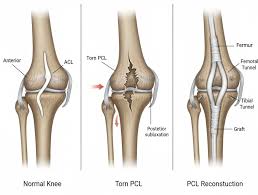
Severe ligament tears, including complete ruptures or tears that cause persistent instability, may require surgical intervention. In these cases, reconstruction involves using graft tissue to replace or reinforce the torn ligament. At Asian Institute of Advanced Surgeries, Dr. Siddharth Jain uses precise surgical techniques that focus on restoring joint stability and alignment. Additionally, minimally invasive approaches help reduce tissue trauma and improve recovery timelines. Consequently, patients with high‑grade tears or functional limitations may benefit from surgery that restores structural integrity and long‑term joint function.
Recovery and Rehabilitation After Treatment
Whether treated conservatively or surgically, rehabilitation remains a central part of recovery after ligament tear treatment. Initially, gentle movements help maintain flexibility and prevent stiffness. As healing progresses, strengthening exercises focus on muscles surrounding the joint to improve stability and reduce recurrence risk. At Asian Institute of Advanced Surgeries, Dr. Siddharth Jain monitors progress and adjusts rehabilitation protocols based on healing status. Therefore, structured rehabilitation enhances recovery, improves balance, and supports safe return to daily activities or sports. Patient education about safe movements and activity modification also contributes to long‑term success.
Preventing Future Ligament Injuries
Ligament Tear Treatment In Nagpur
Preventing ligament tears involves strengthening joint support structures and adopting safe movement habits. Regular exercises that enhance muscle strength and balance reduce the risk of sudden joint strain. Proper warm‑ups before physical activity and flexibility training also prepare connective tissues for stress during movement. At Asian Institute of Advanced Surgeries, Dr. Siddharth Jain emphasizes patient education on preventive strategies that support musculoskeletal health over time. Consequently, individuals learn how posture, activity patterns, and physical conditioning influence joint stability and reduce injury risk.
Why Choose Dr. Siddharth Jain at Asian Institute of Advanced Surgeries
Selecting the right specialist for ligament tear treatment impacts both short‑term recovery and long‑term joint health. At Asian Institute of Advanced Surgeries, Dr. Siddharth Jain focuses on comprehensive evaluation, clear communication, and individualized treatment planning. Patients receive education on the nature of their injury, available treatment options, and long‑term prevention strategies. Additionally, symptom assessment includes both physical findings and lifestyle considerations that influence joint strain. Therefore, individuals gain a deeper understanding of their injury and how to support healing and functional recovery.
Long‑Term Joint Care After Ligament Healing
Ligament tears can affect joint mechanics long after the initial injury. Therefore, continued attention to strengthening, flexibility, and movement patterns supports joint stability long term. Regular follow‑ups help track functional progress and address any emerging concerns early. At Asian Institute of Advanced Surgeries, Dr. Siddharth Jain emphasizes long‑term care strategies that extend beyond immediate recovery. Consequently, patients develop habits that protect joints and reduce the risk of repeat injury, contributing to sustained musculoskeletal wellness.
When to Consult Dr. Siddharth Jain for Ligament Issues
Individuals should seek evaluation from a specialist if pain and instability persist despite rest and basic home care. Difficulty bearing weight, joint “giving away,” repeated swelling, or functional limitations are signs that professional orthopedic assessment is necessary. At Asian Institute of Advanced Surgeries, Dr. Siddharth Jain performs detailed evaluations that uncover ligament tear severity and guide effective treatment planning. Early assessment leads to appropriate management, which supports better outcomes and long‑term joint function.
Frequently Asked Questions
Ligament Tear Treatment In Nagpur
1. How are ligament tears diagnosed?
Ligament tears are diagnosed through physical examination and imaging studies such as MRI scans that reveal the location, severity, and associated structural disruptions within the joint.
2. Do all ligament tears need surgery?
No. Mild to moderate ligament tears often heal with conservative care such as physiotherapy, bracing, and activity modification. Surgery is recommended for complete ruptures or persistent joint instability.
3. What does rehabilitation involve after ligament tear treatment?
Rehabilitation includes exercises that improve strength, balance, and flexibility around the joint. Structured physiotherapy helps restore stability and prevents recurring injury.
4. Can ligament injuries be prevented?
Ligament injuries can be reduced through proper warm‑ups, strength training, balanced movement patterns, and safe activity practices that prepare joints for physical stress.
5. How long does it take to recover from a ligament tear?
Recovery depends on tear severity and treatment method. Mild tears may improve in weeks with physiotherapy, while surgical cases may require months of rehabilitation for full functional restoration.
Book Appointment with Dr. Siddharth Jain at AIAS
If you are experiencing joint discomfort, restricted movement, or any musculoskeletal concerns, scheduling a consultation with Dr. Siddharth Jain can help you better understand your condition and explore appropriate care options. Early evaluation often helps patients address symptoms before they begin to interfere with everyday activities and mobility.
Consultations are available at Asian Institute of Advanced Surgeries (AIAS) in Nagpur, where patients receive a structured orthopaedic assessment focused on identifying factors affecting bone, joint, and movement health. During the visit, individuals can discuss their symptoms, medical history, lifestyle habits, and physical activity levels.