
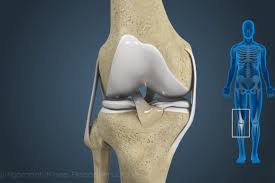
Ligament Repair and Reconstruction in Nagpur – Treatment by Dr. Siddharth Jain
Ligaments provide stability to joints by connecting bones and supporting coordinated movement. When these strong bands are torn due to injury, instability and pain can significantly disrupt life. Therefore patients often seek specialized ligament repair and reconstruction in Nagpur to restore joint function and reduce discomfort. At Asian Institute of Advanced Surgeries, orthopedic evaluation focuses on understanding the precise cause of ligament damage, restoring alignment, and planning long‑term recovery. Moreover, Dr. Siddharth Jain assesses symptoms, injury history, and imaging to create a tailored treatment plan that addresses both immediate repair and future joint health.
Understanding Ligament Repair and Reconstruction
Ligament repair and reconstruction involve restoring torn or damaged ligaments to regain joint stability and prevent recurring injuries. Simple tears may sometimes heal with conservative care, but complete ruptures often require surgical intervention. At Asian Institute of Advanced Surgeries, Dr. Siddharth Jain begins with a detailed physical examination and imaging studies to determine the extent of ligament damage. Consequently, this evaluation allows for precise planning of the surgical approach. Reconstruction usually uses grafts that replace the torn ligament, helping stabilize the joint and restore mechanical function. Therefore, understanding the type and severity of ligament injury remains key to achieving optimal outcomes.
Common Causes of Ligament Injuries
Ligament injuries often occur during sports activities, falls, or sudden twisting motions of joints. High‑impact collisions, abrupt changes in direction, and improper landings frequently cause ligament tears in the knee, ankle, or shoulder. Aging and repetitive stress on joints may also weaken ligament fibers over time, increasing the risk of injury even with minor impact. At Asian Institute of Advanced Surgeries, Dr. Siddharth Jain considers both injury mechanism and lifestyle factors during assessment. Consequently, understanding how the injury occurred helps tailor treatment and reduce the risk of repeat injury after reconstruction.
Symptoms That Suggest Ligament Damage
Ligament tears often present with sudden pain at the time of injury, followed by swelling and difficulty bearing weight on the affected joint. Patients may also experience instability or “giving way” during movement. Additionally, stiffness and reduced range of motion often develop as the joint reacts to trauma. Consulting a specialist for ligament repair and reconstruction in Nagpur becomes important when these symptoms continue despite rest or basic home care. At Asian Institute of Advanced Surgeries, Dr. Siddharth Jain evaluates symptom patterns, functional limitations, and joint mechanics to determine whether surgical repair is necessary.
Diagnostic Evaluation by Dr. Siddharth Jain
Accurate diagnosis guides effective treatment decision‑making for ligament injuries. Therefore, physical examination and clinical tests help identify specific ligament involvement. At Asian Institute of Advanced Surgeries, Dr. Siddharth Jain combines manual ligament stability tests with detailed imaging studies such as MRI scans to reveal the extent of damage. This comprehensive evaluation not only identifies torn structures but also assesses surrounding joint components such as cartilage and adjacent tissues. Consequently, this approach supports precise surgical planning when reconstruction is required, minimizing unnecessary interventions and improving outcomes.
Non‑Surgical Management Options
Not all ligament injuries require surgery. Partial tears or mild sprains may respond well to conservative treatments that focus on pain control and functional recovery. Physiotherapy plays a central role in strengthening surrounding muscles and improving joint stability. Additionally, activity modification and protective bracing help reduce further stress on the injured ligament. At Asian Institute of Advanced Surgeries, Dr. Siddharth Jain often recommends structured rehabilitation programs before considering surgery. Consequently, some patients regain functional stability without the need for invasive procedures, especially when injuries are identified early.
Surgical Techniques for Ligament Repair and Reconstruction
When ligament damage is severe, surgical repair or reconstruction becomes necessary to restore stability. Repair involves suturing torn ligament fibers, while reconstruction uses grafts to replace the damaged ligament entirely. Grafts may come from the patient’s own tissue or from donor sources when appropriate. At Asian Institute of Advanced Surgeries, Dr. Siddharth Jain uses meticulous surgical techniques that prioritize joint alignment and graft integration. Furthermore, minimally invasive approaches help reduce tissue disruption and support faster rehabilitation. Consequently, patients often experience improved stability and functional recovery after surgical reconstruction.
Rehabilitation After Ligament Surgery
Rehabilitation plays a fundamental role in recovery after ligament repair or reconstruction. Initially, controlled motion helps maintain joint flexibility without stressing the repaired tissue. As healing progresses, physiotherapy exercises focus on strengthening muscles around the joint and improving balance and coordination. At Asian Institute of Advanced Surgeries, Dr. Siddharth Jain monitors rehabilitation progress and adjusts therapy plans to match healing milestones. Consequently, structured rehabilitation supports safe return to activity and reduces the risk of recurring injury.
Preventing Ligament Injuries Through Lifestyle Awareness
Maintaining ligament health requires attention to body mechanics and lifestyle habits. Regular strength training improves muscle support around joints, reducing the risk of sudden ligament strain. Additionally, proper warm‑ups before activity help prepare the connective tissues for movement. At Asian Institute of Advanced Surgeries, Dr. Siddharth Jain emphasizes patient education on safe exercise techniques and movement patterns. Consequently, individuals develop habits that protect joints long‑term rather than only focusing on treatment after injury occurs.
Why Choose Dr. Siddharth Jain at Asian Institute of Advanced Surgeries
Choosing the right specialist is essential for effective ligament repair and reconstruction. At Asian Institute of Advanced Surgeries, Dr. Siddharth Jain focuses on careful assessment, clear explanation, and evidence‑based treatment strategies. Initial consultations involve detailed symptom analysis, physical examination, and review of imaging studies. Furthermore, patient education about injury mechanisms, treatment options, and rehabilitation expectations helps individuals make informed decisions. Consequently, patients understand both short‑term goals and long‑term joint health strategies, improving their confidence in the recovery process.
Long‑Term Joint Health After Ligament Reconstruction
Ligament repairs often succeed when combined with consistent rehabilitation and preventive care. Therefore, patients should continue strengthening exercises and movement patterns that support joint stability. Regular check‑ins help monitor functional progress, especially for athletes or active individuals who return to intense activities. At Asian Institute of Advanced Surgeries, Dr. Siddharth Jain emphasizes long‑term musculoskeletal wellness beyond the immediate recovery phase. Consequently, patients adopt habits that protect against future injuries.
When to Consult Dr. Siddharth Jain for Ligament Issues
Individuals should consult an orthopedic specialist if they experience persistent instability, repeated episodes of “giving way,” or prolonged pain after joint injury. Ligament tears that do not improve with rest, bracing, or physiotherapy may require evaluation for repair or reconstruction. At Asian Institute of Advanced Surgeries, Dr. Siddharth Jain conducts thorough assessments that address both the initial injury and functional concerns that may affect recovery. Early evaluation helps guide appropriate treatment and long‑term joint support.
Frequently Asked Questions – Ligament Repair and Reconstruction in Nagpur
1. What is ligament reconstruction surgery?
Ligament reconstruction replaces a torn ligament with graft tissue to restore joint stability and prevent repeated injuries, especially when the natural ligament cannot heal on its own.
2. How are ligament injuries diagnosed?
Diagnosis typically involves physical examination, stability tests, and imaging such as MRI scans that reveal the severity of ligament damage.
3. Can ligament injuries heal without surgery?
Yes, mild or partial tears may heal with physiotherapy, activity modification, and bracing. Severe tears often require surgical intervention for complete functional recovery.
4. How long is rehabilitation after ligament surgery?
Rehabilitation extends over weeks to months, gradually progressing from gentle mobility exercises to strength and balance training under professional guidance.
5. How can ligament injuries be prevented?
Proper warm‑ups, strength training, safe movement techniques, and avoiding sudden twists or high‑impact loading help protect ligaments and reduce injury risk.
Book Appointment with Dr. Siddharth Jain at AIAS
If you are experiencing joint discomfort, restricted movement, or any musculoskeletal concerns, scheduling a consultation with Dr. Siddharth Jain can help you better understand your condition and explore appropriate care options. Early evaluation often helps patients address symptoms before they begin to interfere with everyday activities and mobility.
Consultations are available at Asian Institute of Advanced Surgeries (AIAS) in Nagpur, where patients receive a structured orthopaedic assessment focused on identifying factors affecting bone, joint, and movement health. During the visit, individuals can discuss their symptoms, medical history, lifestyle habits, and physical activity levels.