
Shoulder Replacement Surgeon in Nagpur – Treatment by Dr. Siddharth Jain
Chronic shoulder pain and restricted arm movement can make daily tasks like reaching, lifting, or even dressing difficult. Therefore, many individuals seek help from a shoulder replacement surgeon in Nagpur when joint deterioration begins affecting their mobility and quality of life. Shoulder replacement, also known as shoulder arthroplasty, involves replacing damaged joint surfaces with artificial components to restore smooth movement and relieve pain. At Asian Institute of Advanced Surgeries, patients receive detailed evaluation and diagnosis focused on understanding the underlying cause of discomfort. Moreover, Dr. Siddharth Jain examines symptoms, lifestyle factors, and imaging results before suggesting a suitable treatment plan. Consequently, patients gain clarity about their condition and options for long-term joint health.
Understanding Shoulder Replacement Surgery
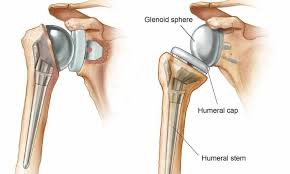
Shoulder replacement surgery involves removing worn or damaged parts of the shoulder joint and replacing them with prosthetic components. This procedure is typically considered when conservative treatments such as medication, physical therapy, or injections no longer provide adequate relief. At Asian Institute of Advanced Surgeries, Dr. Siddharth Jain discusses each step of the surgical process to ensure patients understand the procedure and expected outcomes. Additionally, preoperative assessments help evaluate muscle strength, joint stability, and overall physical condition. Therefore, this structured approach improves surgical precision and postoperative recovery. Patients also receive education on lifestyle modifications that may protect joint health in the long term.
When Is a Shoulder Replacement Necessary?
A shoulder replacement may be recommended when pain and loss of function significantly interfere with everyday activities. Persistent discomfort while lifting the arm, chronic sleep disturbances due to shoulder pain, or visible joint deformity may indicate advanced joint damage. Furthermore, patients with severe arthritis or significant rotator cuff tears that have altered joint mechanics often benefit from surgical intervention. At Asian Institute of Advanced Surgeries, Dr. Siddharth Jain evaluates these symptoms in detail to determine whether shoulder replacement is appropriate. Moreover, this evaluation includes imaging tests and physical assessment that help distinguish between joint degeneration and soft tissue problems affecting shoulder function.
Common Conditions Leading to Shoulder Replacement
Several shoulder conditions may eventually require replacement surgery. Osteoarthritis, a degenerative joint disease, gradually wears away cartilage and exposes bone surfaces, which leads to pain and stiffness. Rheumatoid arthritis causes inflammation that damages joint tissues over time. Additionally, severe fractures or traumatic injuries can disrupt joint anatomy and accelerate degeneration. Certain chronic rotator cuff tear arthropathy cases also weaken joint mechanics and may lead to arthroplasty. At Asian Institute of Advanced Surgeries, Dr. Siddharth Jain considers all medical history, symptom patterns, and imaging results before recommending treatment. Therefore, patients gain a comprehensive understanding of their condition rather than just temporary symptom relief.
Signs and Symptoms That Warrant Specialist Evaluation
Shoulder Replacement Surgeon In Nagpur
Persistent shoulder pain during daily tasks such as lifting, reaching, or rotating the arm often indicates joint damage. Patients may also experience stiffness after resting or limitations when trying to use the shoulder fully. Grinding or clicking sensations during movement can signal cartilage wear or structural abnormalities within the joint. Additionally, swelling and muscle weakness may develop gradually and limit functional capacity. Consulting a shoulder replacement surgeon in Nagpur helps identify whether these symptoms stem from joint degeneration or soft tissue injury. At Asian Institute of Advanced Surgeries, Dr. Siddharth Jain analyzes symptom severity, duration, and impact on daily life to determine appropriate care strategies.
Diagnosis and Evaluation by an Orthopedic Specialist
Shoulder Replacement Surgeon In Nagpur
Accurate diagnosis is essential before recommending shoulder replacement surgery. Therefore, orthopedic evaluation begins with a detailed clinical examination, including assessment of range of motion, muscle strength, and joint stability. At Asian Institute of Advanced Surgeries, Dr. Siddharth Jain combines physical tests with imaging studies such as X‑rays and MRI scans that reveal cartilage loss, bone changes, or structural abnormalities. Comprehensive evaluation helps differentiate between arthritis, rotator cuff pathology, or other causes of shoulder discomfort. Additionally, the patient’s medical history and activity level provide context for choosing the most appropriate treatment approach. Consequently, diagnosis forms the foundation for personalized and effective care.
Non-Surgical Treatments Before Considering Replacement
Shoulder Replacement Surgeon In Nagpur
Before recommending surgery, orthopedic specialists often explore non‑surgical options to improve shoulder comfort and function. Physical therapy programs strengthen surrounding muscles and improve joint stability. Anti‑inflammatory medications may temporarily reduce pain and swelling, while activity modification helps minimize stress on the joint. Corticosteroid injections sometimes provide short‑term relief when inflammation contributes to symptoms. At Asian Institute of Advanced Surgeries, Dr. Siddharth Jain emphasizes these conservative treatments, particularly for patients with mild to moderate symptoms. Therefore, many individuals experience symptom improvement without immediately resorting to surgical intervention.
Preparing for Shoulder Replacement Surgery
Shoulder Replacement Surgeon In Nagpur
Proper preparation enhances outcomes when shoulder replacement becomes necessary. Preoperative assessment includes evaluating cardiovascular health, muscle strength, and overall physical condition. Imaging studies help plan the surgical approach and anticipate potential challenges. At Asian Institute of Advanced Surgeries, Dr. Siddharth Jain reviews all diagnostic information with the patient and discusses expectations for recovery and rehabilitation. Additionally, patients learn about postoperative support, pain management, and safe movement patterns. Consequently, preparation reduces anxiety and aligns recovery goals with the patient’s lifestyle and activity level.
Recovery and Rehabilitation After Shoulder Replacement
Rehabilitation after shoulder replacement begins with gentle passive movements that help maintain flexibility without straining healing tissues. Gradually, active exercises strengthen the muscles surrounding the joint and restore functional movement. At Asian Institute of Advanced Surgeries, Dr. Siddharth Jain monitors progress and adjusts therapy plans to ensure safe and balanced recovery. The rehabilitation process typically spans several weeks, during which patients learn techniques to protect joint integrity and improve coordination. Consequently, structured physiotherapy enhances long‑term shoulder function and reduces the risk of stiffness or recurring pain.
Lifestyle Adjustments to Support Long‑Term Joint Health
Shoulder Replacement Surgeon In Nagpur
Long‑term shoulder joint health depends on consistent preventive habits. Regular low‑impact exercise, such as swimming or gentle stretching, supports muscle balance and flexibility without unnecessary stress on the joint. Maintaining a healthy body weight reduces overall strain on multiple joints, including the shoulder. Additionally, avoiding repetitive overhead movements and using safe lifting techniques helps protect joint structures. At Asian Institute of Advanced Surgeries, Dr. Siddharth Jain educates patients on lifestyle adjustments that minimize long‑term joint stress. Consequently, patients gain awareness of how everyday habits impact shoulder health and how to preserve mobility.
Why Choose Dr. Siddharth Jain at Asian Institute of Advanced Surgeries
Selecting the right orthopedic specialist plays a major role in the success of joint replacement surgery. At Asian Institute of Advanced Surgeries, Dr. Siddharth Jain focuses on detailed symptom evaluation and patient education. During consultation, symptoms are assessed thoroughly, including limitations in motion and pain triggers. Lifestyle, medical history, and past injuries are also discussed before recommending treatment. Additionally, patients receive clear explanations about diagnosis and postoperative care, ensuring they understand both short‑term expectations and long‑term joint care strategies. Consequently, individuals participate actively in their recovery and maintain better overall shoulder health.
When to Consult Dr. Siddharth Jain for Shoulder Joint Problems
Patients should seek orthopedic evaluation if shoulder pain persists despite rest, conservative care, or medication. Restricted range of motion during daily activities, persistent stiffness, and recurring discomfort often indicate underlying joint issues. Consulting Dr. Siddharth Jain early allows for timely diagnosis and appropriate management strategies. At Asian Institute of Advanced Surgeries, patients receive structured assessments that address both symptoms and long‑term joint health. Consequently, early consultation helps prevent further deterioration and supports effective shoulder care.
Frequently Asked Questions – Shoulder Replacement Surgeon In Nagpur
Shoulder Replacement Surgeon In Nagpur
1. What is shoulder replacement surgery?
Shoulder replacement surgery removes damaged joint surfaces and replaces them with prosthetic components. This reduces pain, improves motion, and restores function when conservative treatments no longer provide relief.
2. How long does recovery take after shoulder replacement?
Recovery varies but generally includes weeks of structured rehabilitation. Patients regain range of motion gradually, and strength improves with guided physiotherapy over time.
3. Are non‑surgical treatments effective for shoulder joint pain?
Yes, many individuals benefit from physical therapy, activity modification, and anti‑inflammatory medication before considering surgery. These options may relieve symptoms and improve function.
4. Is shoulder replacement safe for older adults?
Yes, shoulder replacement is considered safe for most older adults after proper assessment and preparation. Careful evaluation reduces surgical risks and supports better outcomes.
5. How can I protect my shoulder joint long‑term?
Maintaining balanced exercise, avoiding repetitive strain, and practicing proper posture help protect shoulder joints. Additionally, staying active supports muscle strength and joint stability.
Book Appointment with Dr. Siddharth Jain at AIAS
If you are experiencing joint discomfort, restricted movement, or any musculoskeletal concerns, scheduling a consultation with Dr. Siddharth Jain can help you better understand your condition and explore appropriate care options. Early evaluation often helps patients address symptoms before they begin to interfere with everyday activities and mobility.
Consultations are available at Asian Institute of Advanced Surgeries (AIAS) in Nagpur, where patients receive a structured orthopaedic assessment focused on identifying factors affecting bone, joint, and movement health. During the visit, individuals can discuss their symptoms, medical history, lifestyle habits, and physical activity levels.