
What is Knee Arthroscopy?
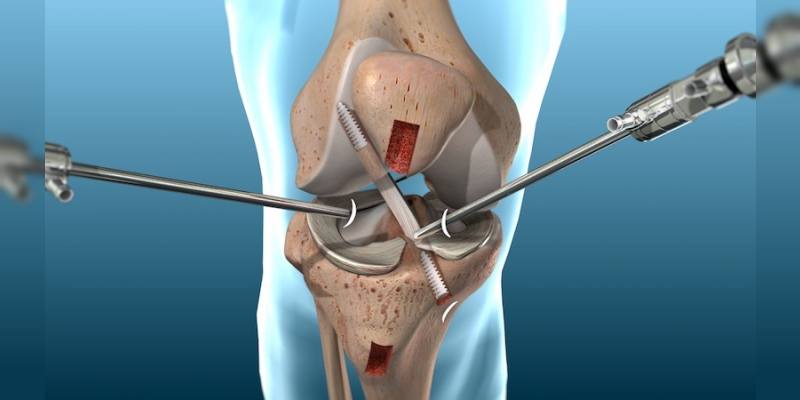
Knee arthroscopy is a minimally invasive surgical procedure that orthopedic surgeons use to diagnose and treat knee joint disorders.
During this procedure, surgeons insert a tiny high-definition camera called an arthroscope into the knee joint through small incisions. Through this camera, surgeons observe internal joint structures on a monitor and perform necessary treatment.
Furthermore, modern arthroscopic technology allows surgeons to treat knee problems without making large surgical cuts. Consequently, patients benefit from minimal scarring, reduced infection risk, and faster healing.
Signs You May Need Knee Arthroscopy Treatment
Patients should consult an orthopedic specialist if they experience:
Persistent knee pain
Knee swelling or stiffness
Difficulty walking or bending the knee
Joint locking or catching sensation
Sports injury-related knee problems
Recurrent knee instability
Importantly, early consultation helps prevent chronic joint degeneration.
Conditions Treated with Knee Arthroscopy
1. Meniscus Tears
Meniscus tears commonly occur during sports injuries, sudden twisting movements, or aging-related degeneration.
Firstly, surgeons repair or remove damaged meniscus tissue depending on tear severity. Through precise arthroscopic techniques, joint function improves significantly.
2. Ligament Injuries (ACL, PCL)
Anterior cruciate ligament injuries are common among athletes.
Moreover, ACL reconstruction surgery restores knee stability and prevents future joint damage. In particular, sports injury patients benefit greatly from arthroscopic ligament repair.
3. Cartilage Damage
Cartilage injury may cause knee pain, swelling, and movement restriction.
Therefore, surgeons smooth damaged cartilage surfaces and remove loose fragments. As a result, joint movement becomes smoother and more comfortable.
4. Knee Joint Inflammation
Inflammatory conditions such as synovitis may cause stiffness and swelling.
Through arthroscopy, inflamed tissues are carefully cleaned. Consequently, patients experience reduced pain and improved joint flexibility.
5. Loose Body Removal
Small bone or cartilage fragments sometimes float inside the knee joint.
In such cases, surgeons remove these loose fragments arthroscopically. Ultimately, normal joint motion is restored.
Request a Callback
Knee Arthroscopy Surgical Procedure
Knee arthroscopy surgery is performed under regional or general anesthesia.
Initially, surgeons make two or three small incisions around the knee joint. After that, they insert an arthroscope camera to visualize internal structures.
Meanwhile, specialized surgical instruments enter through another incision.
Through this advanced procedure, surgeons perform necessary treatments such as ligament repair, cartilage smoothing, or tissue removal.
Furthermore, surrounding healthy tissues remain protected during surgery. As a result, patients experience less pain, minimal bleeding, and smaller scars.
Additionally, the total surgery duration usually ranges between 60–120 minutes depending on condition complexity.
Benefits of Knee Arthroscopy
Knee arthroscopy provides several medical advantages.
Firstly, it involves smaller surgical incisions.
Secondly, postoperative pain becomes significantly lower.
Thirdly, infection risk reduces compared to open surgery.
Moreover, recovery time becomes faster.
In addition, patients return to normal activities sooner.
Consequently, quality of life improves significantly.
Ultimately, arthroscopic knee surgery supports long-term joint health.
Recovery After Knee Arthroscopy
Recovery depends on injury severity and surgical complexity.
Immediately after surgery, patients may use a knee support brace.
Meanwhile, physiotherapy plays an important role in restoring movement.
Firstly, patients may start walking with support within a few days.
Secondly, light daily activities usually resume within 2–3 weeks.
Furthermore, complete recovery may take 6–12 weeks.
Therefore, following rehabilitation instructions carefully is essential.
Why Choose Asian Institute of Advanced Surgeries?
Experienced Orthopaedic Specialists
Our hospital has highly trained orthopedic surgeons who specialize in arthroscopic procedures.
Advanced Surgical Technology
Modern operation theatre facilities support safe and precise surgery.
Patient-Centered Care
Doctors design personalized treatment plans based on patient condition.
Comprehensive Rehabilitation Support
Physiotherapy guidance helps restore joint strength and mobility.
High Success Rate
Evidence-based treatment protocols improve surgical outcomes.
When Should You Visit an Orthopaedic Specialist?
You should consult our specialists if:
Knee pain persists for more than few days
Swelling does not reduce with rest
Movement becomes difficult
Sports injury affects performance
Medication fails to provide relief
In such situations, early diagnosis helps avoid complications.
Book Your Knee Arthroscopy Consultation Today
If knee pain is affecting your lifestyle, contact Asian Institute of Advanced Surgeries for expert evaluation.
Moreover, early treatment helps protect joint health and improves mobility. Therefore, do not ignore persistent knee discomfort.
Ultimately, advanced knee arthroscopy treatment helps patients return to active life with confidence.