Asian Institute Of Advanced Surgeries

High Tibial Osteotomy Treatment
What is High Tibial Osteotomy?
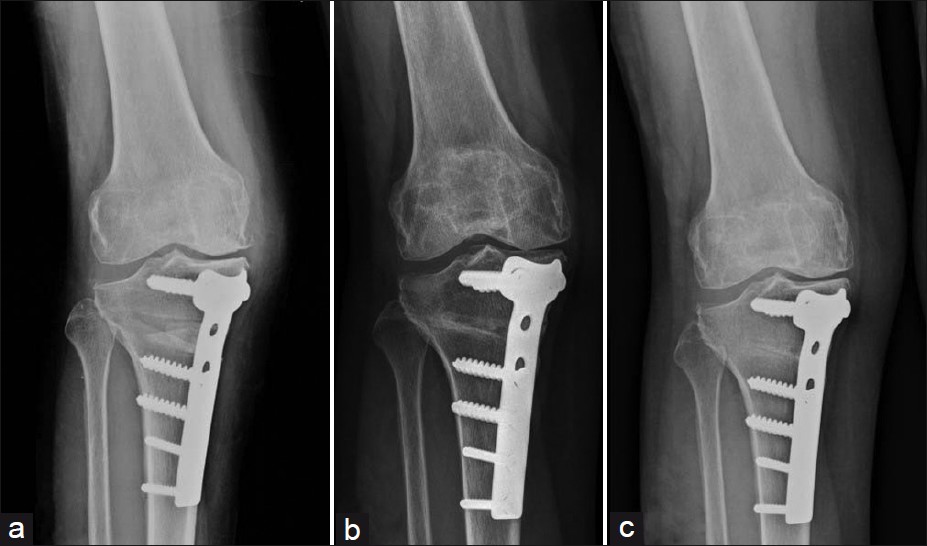
High Tibial Osteotomy is a joint-preserving knee surgery that surgeons perform to correct knee alignment problems. Through this procedure, surgeons reshape or realign the tibia (shin bone) to shift body weight from the damaged knee compartment to the healthier side.
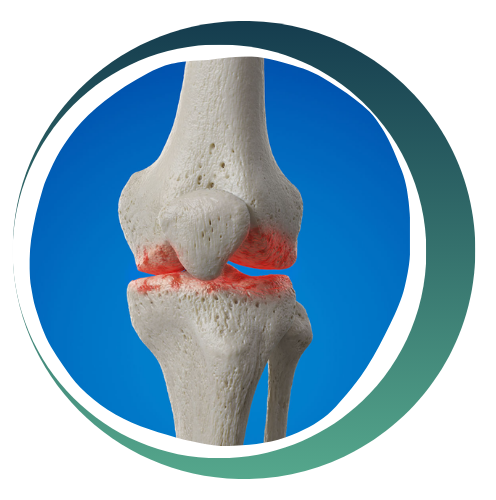
Generally, knee arthritis develops when cartilage wears unevenly inside the knee joint. Therefore, High Tibial Osteotomy redistributes mechanical stress and reduces pressure on damaged cartilage.
In addition, this procedure is especially beneficial for younger and active patients who want to avoid knee replacement surgery.
Who Should Consider HTO Surgery?
Patients may benefit from High Tibial Osteotomy if they experience:
Persistent knee pain during movement
Early-stage knee arthritis
Knee deformity affecting walking pattern
Active lifestyle requiring joint preservation
Failure of conservative treatment methods
Importantly, orthopedic specialists evaluate patient age, activity level, weight, and cartilage condition before recommending surgery.
Conditions Treated with High Tibial Osteotomy
1. Knee Osteoarthritis
Knee osteoarthritis commonly develops due to progressive cartilage degeneration inside the knee joint. As a result, patients experience persistent pain, stiffness, and reduced mobility during daily activities. Meanwhile, walking, standing for long periods, and climbing stairs may become increasingly difficult.
Through HTO surgery, doctors shift body weight load away from the damaged cartilage region to the healthier portion of the knee joint. Consequently, this redistribution of pressure helps reduce pain and slow down joint degeneration.
2. Bow-Leg Deformity (Genu Varum)
Bow-leg deformity causes uneven pressure distribution across the knee joint. In such cases, the inner knee compartment experiences excessive mechanical stress.
Therefore, orthopedic surgeons perform corrective realignment surgery to restore proper leg alignment. By doing so, joint stability improves, and walking biomechanics become more natural and balanced.
3. Medial Compartment Knee Arthritis
Medial compartment knee arthritis affects the inner portion of the knee joint cartilage. In addition, patients often experience chronic pain, inflammation, and restricted movement.
Consequently, activities such as walking, climbing stairs, or standing for long durations may become painful. Through surgical correction, HTO surgery reduces stress on the affected joint area and improves functional mobility.
4. Cartilage Wear and Tear
Cartilage degeneration increases friction between knee joint surfaces. Therefore, progressive cartilage damage may lead to worsening pain and stiffness.
By performing high tibial osteotomy, surgeons realign the mechanical axis of the leg. As a result, joint pressure decreases, disease progression slows, and long-term knee function improves.
Request a Callback
High Tibial Osteotomy Surgical Procedure
Surgeons perform High Tibial Osteotomy using advanced orthopedic surgical techniques.
Firstly, doctors conduct detailed clinical examination and imaging tests such as X-rays or MRI scans.
Secondly, surgical planning determines the exact bone correction angle.
During surgery, orthopedic surgeons make a controlled cut in the upper tibia bone.
After that, surgeons realign the bone structure to improve knee joint biomechanics.
Meanwhile, fixation plates and screws stabilize the corrected bone position.
Furthermore, modern surgical navigation tools help enhance accuracy.
Consequently, tissue damage remains minimal and healing becomes faster.
Benefits of High Tibial Osteotomy
High Tibial Osteotomy provides multiple long-term advantages.
Joint Preservation
Unlike knee replacement surgery, HTO preserves natural knee structure.
Pain Reduction
By redistributing body weight, knee joint pressure decreases.
Improved Mobility
Patients regain walking efficiency and joint flexibility.
Delay of Knee Replacement Surgery
HTO surgery helps postpone total knee replacement in suitable patients.
Better Quality of Life
Patients return to daily activities with improved comfort.
Recovery After High Tibial Osteotomy
Recovery plays an important role in surgical success.
Initially, patients may need knee support with a brace or walker.
Subsequently, physiotherapy begins under medical supervision.
Moreover, rehabilitation exercises strengthen muscles and improve joint stability.
Most patients gradually return to light activities within weeks.
Full recovery may take several months depending on individual healing response.
Ultimately, following medical advice ensures optimal surgical outcome.
Risks and Safety Considerations
High Tibial Osteotomy is generally safe when performed by experienced surgeons.
However, potential risks include:
Infection risk
Delayed bone healing
Blood clot formation
Implant-related discomfort
Therefore, strict sterile surgical protocols and post-operative monitoring are essential.
When Should You Consult an Orthopedic Surgeon?
You should visit an orthopedic specialist if:
Knee pain persists for more than few weeks
Walking or climbing stairs becomes difficult
Knee deformity increases
Pain medications provide temporary relief only
Early consultation helps prevent further joint damage.
Why Choose Asian Institute of Advanced Surgeries?
Experienced Orthopedic Specialists
Highly trained surgeons perform complex knee realignment procedures.
Advanced Surgical Technology
Modern operation theatres support precision surgery.
Personalized Treatment Planning
Doctors design treatment strategies based on patient anatomy.
Comprehensive Rehabilitation Support
Post-surgery physiotherapy programs help restore strength.
Patient-Centered Medical Care
Medical teams focus on safety, comfort, and recovery success.