Asian Institute Of Advanced Surgeries

Hip Replacement Surgery

What is Hip Replacement Surgery?

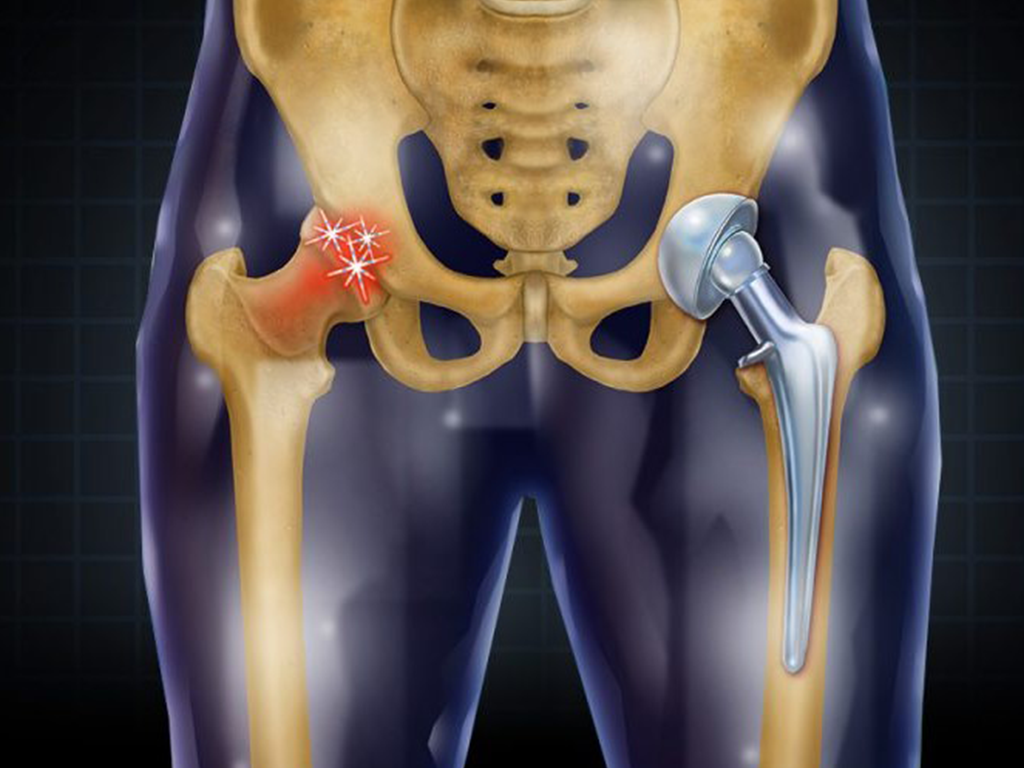
Hip Replacement Surgery, also known as Total Hip Arthroplasty, is a surgical procedure where the damaged hip joint is replaced with an artificial implant. The hip joint is a ball-and-socket joint that allows smooth movement. When arthritis, injury, or degeneration damages this joint, it can cause severe pain, stiffness, and difficulty in walking.

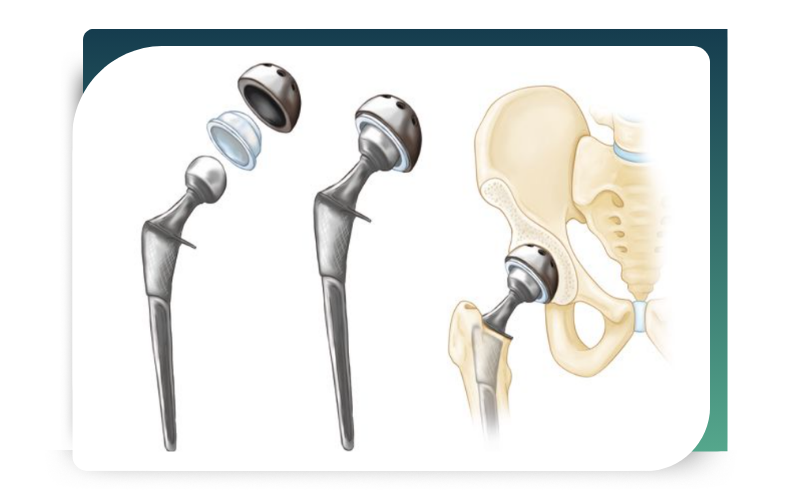
During the procedure, the damaged bone and cartilage are removed and replaced with specially designed prosthetic components made of metal, ceramic, or high-grade plastic. The artificial joint is designed to mimic the natural movement of the hip, allowing patients to return to daily activities comfortably.

Hip Replacement Surgery is a procedure in which a damaged or worn-out hip joint is replaced with an artificial implant (prosthesis). It is also called Total Hip Arthroplasty (THA). This surgery helps relieve chronic hip pain, improve mobility, and restore quality of life.

When Do You Need Hip Replacement?

Hip replacement is recommended when conservative treatments such as medications, physiotherapy, and injections no longer provide adequate relief. In other words, if non-surgical methods fail to improve your condition, surgery may become the most effective solution.

You may need hip replacement surgery if you experience:

  • Persistent hip pain even at rest, especially at night

  • Difficulty walking, climbing stairs, or sitting, which gradually limits independence

  • Severe stiffness limiting movement, making daily tasks challenging

  • Hip deformity, affecting posture and balance

  • Reduced quality of life due to chronic pain, impacting work and social activities

Furthermore, several medical conditions commonly require hip replacement treatment, including:

  • Osteoarthritis, which gradually wears down joint cartilage

  • Rheumatoid Arthritis, an inflammatory condition damaging the joint lining

  • Avascular Necrosis, where reduced blood supply weakens the bone

  • Hip Fractures, particularly in older adults

  • Post-traumatic arthritis, developing after a serious injury

Therefore, if hip pain is interfering with your daily routine and overall well-being, consulting Dr. Abhishek Bhalotia can help determine the most appropriate and personalized treatment plan for long-term relief and improved mobility.
Advanced Technology & Modern Techniques

Modern hip replacement surgery uses cutting-edge techniques to significantly improve precision, safety, and long-term outcomes. Today, with rapid advancements in medical technology, patients can expect more accurate procedures and faster recovery. In this regard, Dr. Bhalotia utilizes:

  • High-quality imported implants, ensuring durability and long-term performance

  • Minimally invasive surgical methods, which reduce tissue damage and blood loss

  • Advanced imaging for accurate implant placement, thereby improving joint alignment

  • Enhanced recovery protocols, designed to speed up rehabilitation

  • Multimodal pain management, which effectively controls discomfort after surgery

As a result, these modern advancements ensure better alignment, longer implant life, and reduced risk of complications. Moreover, patients often experience less postoperative pain and a faster return to normal daily activities. Ultimately, the goal is not only to relieve pain but also to restore mobility and improve overall quality of life.

Benefits of Hip Replacement Surgery

Hip replacement surgery offers life-changing benefits, especially for individuals struggling with chronic hip pain and limited mobility. After successful surgery, patients often notice steady and meaningful improvements in their daily lives, including:

  • Significant pain relief, allowing greater comfort throughout the day

  • Improved mobility and flexibility, making movement smoother and easier

  • Better posture and balance, which enhances stability and confidence

  • Ability to resume daily activities, such as walking, climbing stairs, and sitting comfortably

  • Improved sleep quality, as nighttime pain gradually decreases

  • Enhanced overall quality of life, leading to better physical and emotional well-being

In fact, most patients experience dramatic improvement within just a few weeks of surgery. Over time, with proper rehabilitation and physiotherapy, they continue to improve steadily over several months. Ultimately, hip replacement not only relieves pain but also restores independence and active living.

Request a Callback

    Pre-Surgery Evaluation

    Before surgery, a detailed assessment is conducted to ensure patient safety and optimal outcomes. Initially, a comprehensive evaluation helps determine whether hip replacement is the right option. This assessment typically includes:

    • Clinical examination, to evaluate pain levels, joint movement, and overall function

    • X-rays and imaging tests, which provide a clear view of joint damage

    • Blood investigations, to assess general health and detect any underlying issues

    • Cardiac and medical fitness evaluation, ensuring the patient is fit for anesthesia and surgery

    Furthermore, this thorough pre-operative process minimizes risks and helps in precise surgical planning. In addition, Dr. Abhishek Bhalotia carefully explains the procedure, recovery expectations, and possible risks. As a result, patients feel fully informed, prepared, and confident before undergoing surgery.

    The Surgical Procedure

    Hip replacement surgery usually takes about 1–2 hours, depending on the complexity of the case. During this time, every step is performed with precision to ensure safety and long-term success. The procedure typically involves:

    • First, administering anesthesia, so the patient remains comfortable and pain-free throughout the surgery

    • Next, making a small incision near the hip, allowing access to the damaged joint

    • Then, removing the damaged cartilage and bone, which are causing pain and stiffness

    • After that, positioning and fixing the artificial implant, ensuring proper alignment and stability

    • Finally, closing the incision with sutures, to promote proper healing

    Immediately after the procedure, patients are closely monitored in the recovery room to ensure stable vital signs. Once stable, they are carefully shifted to their hospital room for further observation and post-operative care.

    Post-Surgery Care & Rehabilitation

    Recovery begins immediately after surgery. In fact, early mobilization is strongly encouraged to prevent complications and promote faster healing. By starting movement early, patients reduce the risk of stiffness, blood clots, and muscle weakness.

    Post-operative care typically includes:

    • Effective pain management, to ensure comfort during recovery

    • Structured physiotherapy exercises, which gradually restore strength and flexibility

    • Walking support (walker or crutches), providing stability and confidence while moving

    • Proper wound care, to prevent infection and promote healthy healing

    • Regular follow-up visits, allowing the doctor to monitor progress and address concerns

    Generally, most patients start walking within 24–48 hours after surgery. Over the next few weeks, mobility steadily improves. With consistent rehabilitation and medical guidance, patients can usually return to normal daily activities within 4–6 weeks. Ultimately, dedication to recovery plays a key role in achieving long-term success after hip replacement surgery.

    Recovery Timeline

    Every patient’s recovery varies, but typically:

    • Day 1–2: Start walking with support

    • Week 2–3: Reduced pain and improved mobility

    • Week 4–6: Resume light activities

    • 3 Months: Significant improvement

    • 6 Months: Near complete recovery

    Following your surgeon’s instructions ensures long-term success.

    Hip Replacement Surgery

    Why Choose Dr. Abhishek Bhalotia for Hip Replacement?

    • Experienced Orthopaedic & Joint Replacement Surgeon

    • Advanced minimally invasive techniques

    • High success rate

    • Personalized patient care

    • Modern surgical infrastructure

    • Comprehensive rehabilitation support

    His patient-first approach focuses not only on surgery but also on long-term joint health and mobility restoration.

    Consult Our Experienced Orthopaedic Surgeon for Detailed Guidance

    Call Now Button