Asian Institute Of Advanced Surgeries

Knee Replacement Surgery

Dr. Abhishek Bhalotia – Advanced Orthopaedic Care

Knee pain can severely affect your daily life, making simple activities like walking, climbing stairs, or even standing difficult. When medications, physiotherapy, and lifestyle modifications fail to provide relief, Knee Replacement Surgery becomes a reliable and long-term solution. Dr. Abhishek Bhalotia, a skilled and experienced orthopaedic surgeon, specializes in advanced knee replacement procedures that help patients regain mobility and live pain-free lives.
With a patient-centered approach and modern surgical techniques, Dr. Bhalotia ensures safe treatment, faster recovery, and improved joint function. His expertise in joint replacement surgery allows patients to return to an active and independent lifestyle

What is Knee Replacement Surgery?

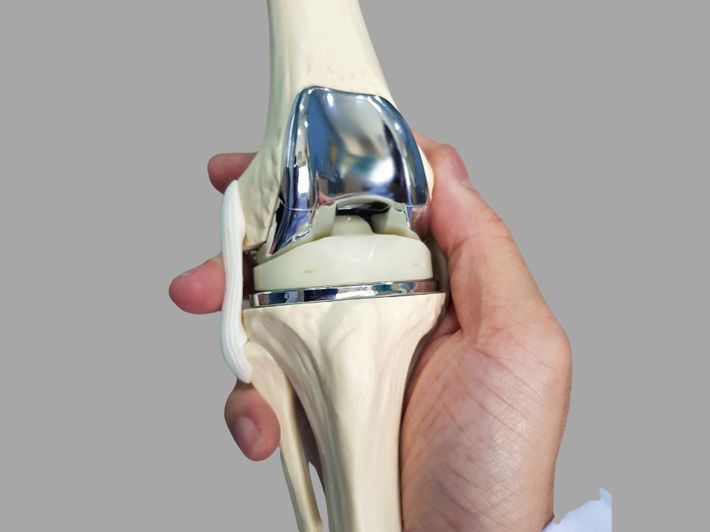
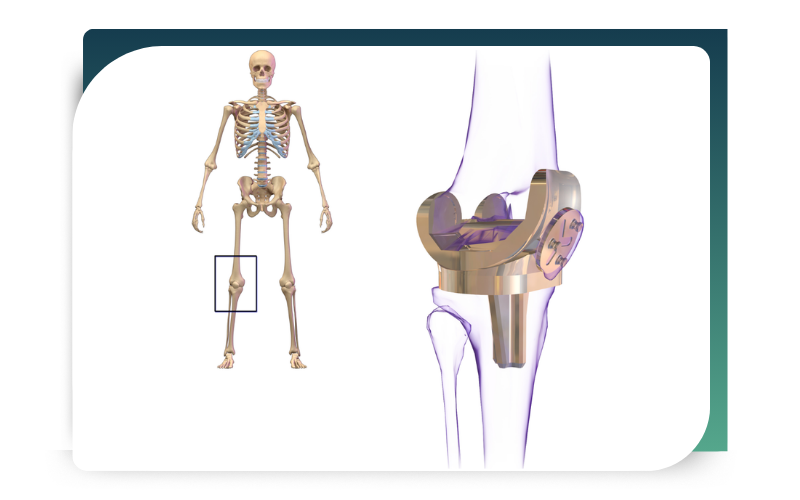
Knee Replacement Surgery, also known as knee arthroplasty, is a procedure in which surgeons replace the damaged parts of the knee joint with artificial implants. These implants closely mimic the natural movement of the knee and significantly reduce pain and stiffness.

Doctors commonly recommend this surgery for patients who suffer from:

  • Severe Osteoarthritis

  • Rheumatoid Arthritis

  • Post-traumatic Arthritis

  • Chronic Knee Pain

  • Knee Deformities

  • Failed Previous Knee Surgery

When the cartilage in the knee joint gradually wears away, the bones begin to rub against each other. As a result, patients experience intense pain, swelling, and limited movement. Over time, this condition affects daily activities such as walking, climbing stairs, and even standing.

Therefore, surgeons replace the damaged joint surfaces to restore proper alignment, improve stability, and enhance overall knee function. Consequently, patients regain mobility and enjoy a better quality of life.

Signs You May Need Knee Replacement

Many patients often ignore knee pain until it becomes unbearable. However, seeking early consultation can prevent serious complications and slow down joint damage. In fact, timely medical intervention can significantly improve long-term outcomes.

You may need Knee Replacement Surgery if, for example, you experience:

  • Persistent knee pain even at rest

  • Swelling and stiffness, especially in the morning

  • Difficulty walking or climbing stairs

  • Knee deformity (bowing inward or outward)

  • Reduced range of motion

  • No relief from medications or injections despite proper treatment

Moreover, if these symptoms continue to worsen over time, they can severely limit your daily activities and independence. Therefore, it is important not to delay medical advice.

If these symptoms are affecting your quality of life, consulting Dr. Abhishek Bhalotia can help determine the most suitable and personalized treatment plan for you.

Types of Knee Replacement Surgery

1. Total Knee Replacement (TKR)

Firstly, in Total Knee Replacement, surgeons replace the entire knee joint with prosthetic components. This procedure is especially suitable for patients who have severe arthritis affecting all compartments of the knee. As a result, it significantly reduces pain and restores joint function.

2. Partial Knee Replacement (PKR)

In contrast, Partial Knee Replacement is recommended when damage affects only one part of the knee. In such cases, surgeons preserve the healthy bone and surrounding tissues. Therefore, patients often experience less pain after surgery and enjoy a quicker recovery.

3. Revision Knee Replacement

However, when a previous knee replacement fails due to infection, implant wear, or loosening, doctors perform Revision Knee Replacement surgery. In this situation, the surgeon removes the old implant and replaces it with a new one to restore stability and function.

Overall, Dr. Abhishek Bhalotia carefully evaluates each patient’s condition and, accordingly, recommends the most suitable surgical option to ensure the best possible outcome.

Request a Callback

    Advanced Techniques Used by Dr. Abhishek Bhalotia

    Modern knee replacement techniques have significantly improved surgical outcomes. Today, Dr. Bhalotia incorporates advanced and evidence-based methods to ensure better precision and faster recovery. For instance, he uses:

    • Minimally Invasive Surgical Techniques

    • Advanced Implant Technology

    • Precision Alignment Methods

    • Modern Pain Management Protocols

    • Rapid Recovery Programs

    Moreover, these advanced approaches help reduce tissue damage and minimize blood loss during surgery. At the same time, they promote faster rehabilitation and early mobilization. As a result, patients experience less postoperative discomfort and shorter hospital stays. Ultimately, these innovations contribute to safer procedures and improved long-term results.

    Benefits of Knee Replacement Surgery

    Knee replacement offers several life-changing benefits. Most importantly, it helps patients regain comfort and confidence in their daily lives. Some of the key advantages include:

    • Significant Pain Relief

    • Improved Mobility

    • Better Joint Stability

    • Correction of Deformity

    • Enhanced Quality of Life

    • Ability to Resume Daily Activities

    In addition, most patients report dramatic improvement within just a few weeks after surgery. Over time, strength and flexibility continue to improve with proper rehabilitation. Furthermore, modern implants are highly durable and, with proper care and regular follow-ups, they can last 15–20 years or even longer. Therefore, knee replacement not only relieves pain but also provides long-term functional benefits.
    Pre-Surgical Evaluation and Planning

    Before recommending surgery, Dr. Abhishek Bhalotia conducts a thorough assessment, including:

    • Detailed Medical History

    • Physical Examination

    • X-rays and Imaging Studies

    • Blood Tests

    • Fitness Evaluation

    This comprehensive evaluation ensures patient safety and optimal surgical planning. Additionally, patients receive counseling regarding the procedure, recovery timeline, and postoperative care.

    The Surgical Procedure

    Knee Replacement Surgery typically takes 1–2 hours. During the procedure:

    1. Damaged cartilage and bone are removed.

    2. The knee is reshaped to fit the implant.

    3. Artificial components are securely placed.

    4. The joint is tested for stability and movement.

    After surgery, patients are monitored in recovery before being shifted to their room. Early movement is encouraged to prevent stiffness and improve circulation.

    knee surgery

    Post-Surgery Recovery and Rehabilitation

    Recovery plays a crucial role in ensuring successful knee replacement outcomes. Therefore, Dr. Abhishek Bhalotia strongly emphasizes structured rehabilitation programs tailored to each patient’s needs. These programs typically include:

    • Guided Physiotherapy

    • Strengthening Exercises

    • Walking Support Training

    • Pain Management

    • Regular Follow-Up Visits

    Initially, most patients begin walking with support within 24–48 hours after surgery. Subsequently, with consistent physiotherapy and proper guidance, they gradually regain strength and mobility. Over the following weeks, patients steadily move toward independence in their daily activities.

    However, complete recovery may take approximately 6–12 weeks, depending on the individual’s overall health condition and commitment to rehabilitation. Ultimately, following the recommended recovery plan ensures faster healing and long-lasting results.

    Consult Our Experienced Orthopaedic Surgeon for Detailed Guidance

    Call Now Button